

Shardiya Navratri from Oct 11: what to eat and avoid while fasting
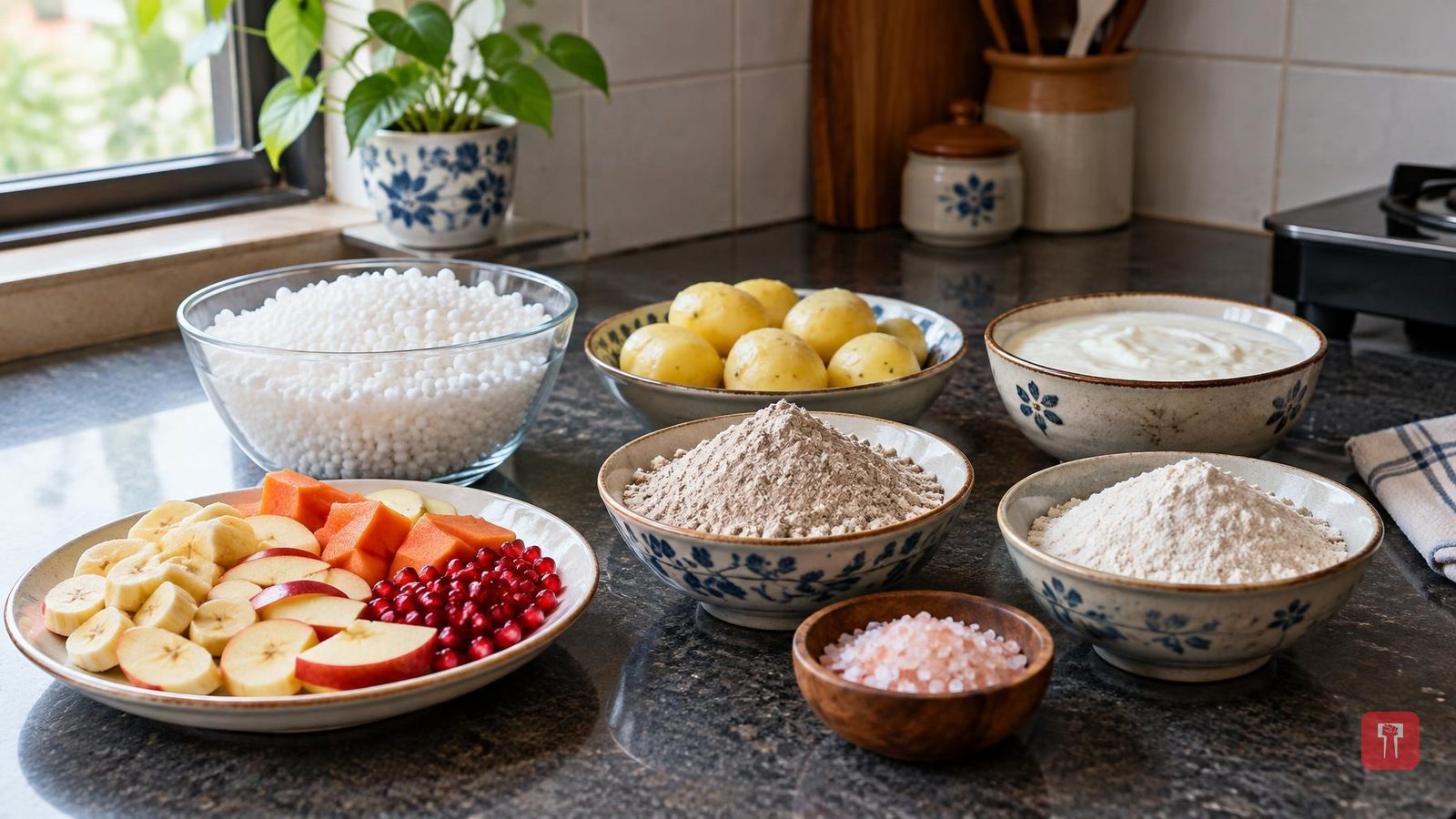
Devotees observing the nine-day fast from October 11 to 19 should avoid wheat, pulses, onion and garlic, and stick to buckwheat, water chestnut flour and rock salt.
 Images are not validated/verified
Shardiya Navratri will be celebrated this year from October 11. The first day of the festival falls on October 11 and the last day on October 19. The nine forms of Goddess Durga are worshipped during the festival, and many devotees also observe a fast over the nine days.
According to religious belief, fasting during the worship of Goddess Durga brings devotees happiness, prosperity and peace. It is also believed to help remove troubles from life. However, certain things need special care while fasting, because some foods are forbidden in any fast. Only select items can be eaten during the fast.
First, a look at what should not be eaten during the Navratri fast. Wheat and pulses of any kind should not be eaten. Onion, garlic, eggs, meat, fish and alcohol are completely prohibited. Vegetables such as brinjal, jackfruit, mushroom and okra should also be avoided.
Now to what can be eaten during the fast. Only pure, sattvik food is to be eaten. In place of regular flour, buckwheat flour, water chestnut flour or amaranth flour can be used. Sabudana, bhagar, potato usal and fruit can also be eaten.
For a light hunger, one can have curd, buttermilk, lassi, fasting chivda, or potato and banana chips. While cooking fasting food, rock salt should be used instead of ordinary salt.
Beyond food, a few other things must be kept in mind. Beards, moustaches and nails should not be cut during Navratri. It is believed that doing so brings inauspicious results in life. Also, those who have performed ghatasthapana at home should not leave the house empty and go out. At least one person must be present at home.
Those planning to fast between October 11 and 19 should know this list and these precautions in advance, so that there is no lapse during the nine-day fast.
