

Shardiya Navratri: How the nine forms of Navdurga are worshipped over nine days
Each of the nine days of Shardiya Navratri is devoted to one form of Goddess Durga, with fasting, prayer and mantra chanting among the customs observed.
 Images are not validated/verified
Shardiya Navratri is regarded as an important festival in Hinduism. Over these nine days, the nine forms of Goddess Durga, known as Navdurga, are worshipped. Customs such as fasting, prayer, mantra chanting, meditation, sattvic food and jagran are observed during this period. These rites are rooted in faith, but some of them can also be seen from the point of view of health, daily routine and peace of mind.
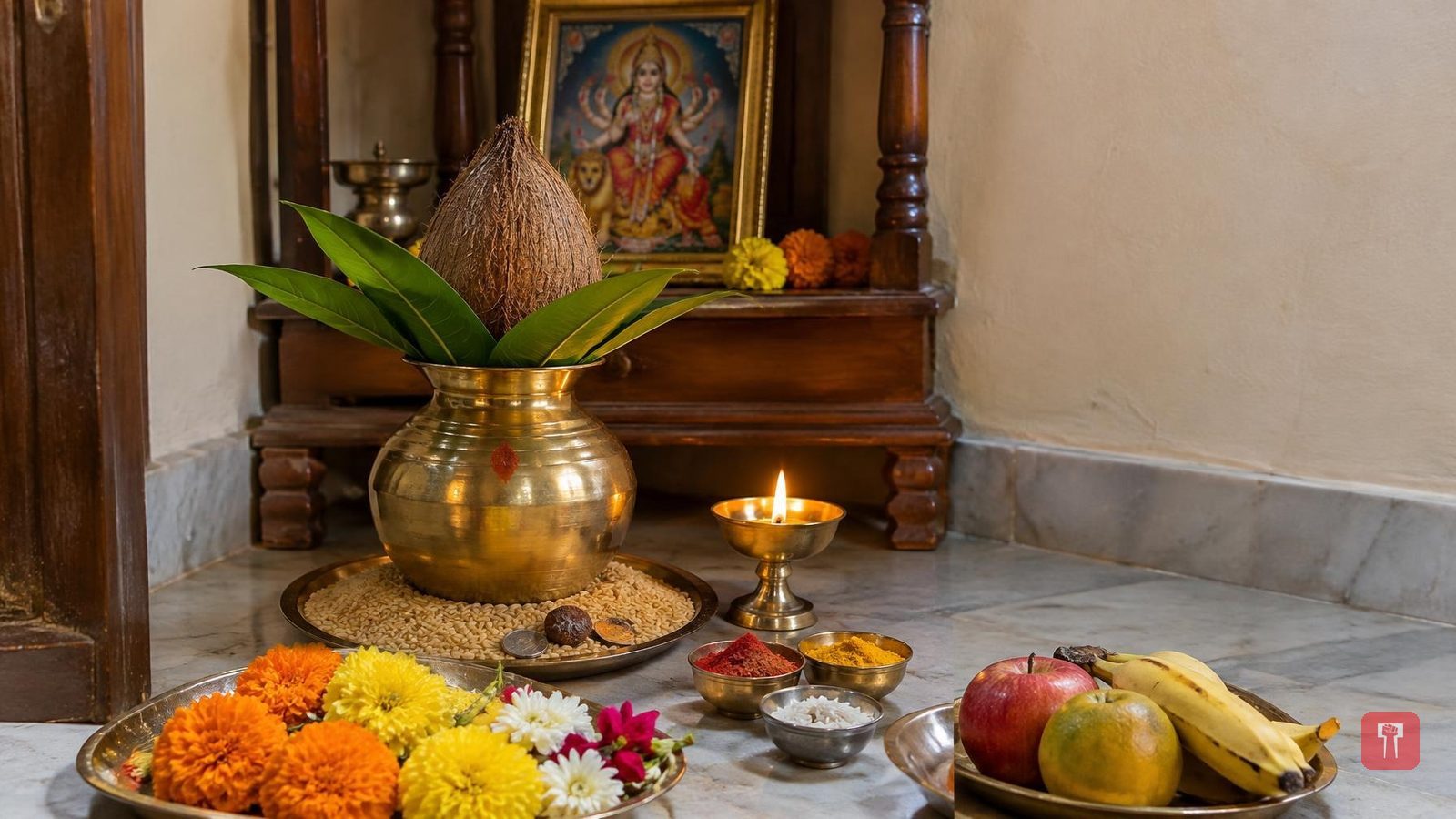
On the first day, the place of worship at home is cleaned and ghatasthapana is performed. A kalash is installed and filled with water, betel nut, a coin and other items of worship. It is customary to place a coconut and mango leaves on the kalash. For the next nine days, the different forms of the goddess are worshipped. A lamp is lit before the goddess, and flowers, akshata, kumkum, turmeric, naivedya and fruit are offered. Depending on the family tradition, aarti, mantra chanting and recitation of stotras are also performed. Special emphasis is laid on cleanliness, a sattvic atmosphere and worship with devotion.
On the first day, Goddess Shailputri is worshipped. The goddess is called Shailputri because she is the daughter of the Himalaya, and this form is considered a symbol of stability and strength. The sankalp is taken on this day at the start of Navratri. On the second day, Goddess Brahmacharini, regarded as a symbol of penance, restraint and spiritual practice, is worshipped. On the third day, Goddess Chandraghanta, whose form is considered a symbol of valour and protection, is worshipped.
On the fourth day, Goddess Kushmanda is worshipped. Religious tales describe her as the primal power of creation. On the fifth day, Skandamata is worshipped. Holding Lord Kartikeya, also known as Skanda, in her lap, this form is considered a symbol of motherly love and compassion. It is believed that the goddess is worshipped for the happiness and prosperity of the family. On the sixth day, Goddess Katyayani, regarded as a symbol of power and victory, is worshipped.
On the seventh day, Goddess Kalaratri is worshipped. This fierce form of the goddess is believed to destroy negative forces. On the eighth day, Ashtami, Goddess Mahagauri, regarded as a symbol of purity, peace and compassion, is worshipped. In many families there is a tradition of kanya pujan on Ashtami or Navami, but the practice can vary with the region and the family's tradition. On the ninth day, Goddess Siddhidatri is worshipped. It is believed that she grants devotees siddhi and spiritual progress. The Navratri fast is completed on this day with special worship, aarti and mantra chanting.
According to religious belief, worship of the nine forms is worship of the different manifestations of Adishakti. By worshipping Shakti during this time, the message is to drive away negative thoughts from the mind and move towards positivity. For this reason, the period is considered important for self-reflection, restraint and devotion.
The religious rites of Navratri cannot be considered a direct treatment for illness or a way of preventing it. Even so, some of the rites may have an indirect connection with health and the mind. During fasts, many people give up fried, very spicy and heavy food and eat fruit, milk, tubers or light food instead, which changes the quantity and nature of their daily diet. However, fasting is not necessarily suitable for everyone. Mantra chanting, meditation and prayer may help in keeping the mind calm and focused. Regular worship can become a way of setting aside a fixed time in the daily routine. Cleaning the house, bathing before worship, wearing clean clothes and keeping the place of worship clean also promote habits of personal hygiene.
