

Shardiya Navratri begins on October 11; ghatasthapana muhurat 6.19 am to 10.12 am
The nine-day festival starts on Sunday, October 11, with the auspicious time for installing the kalash falling between 6.19 am and 10.12 am.
 Images are not validated/verified
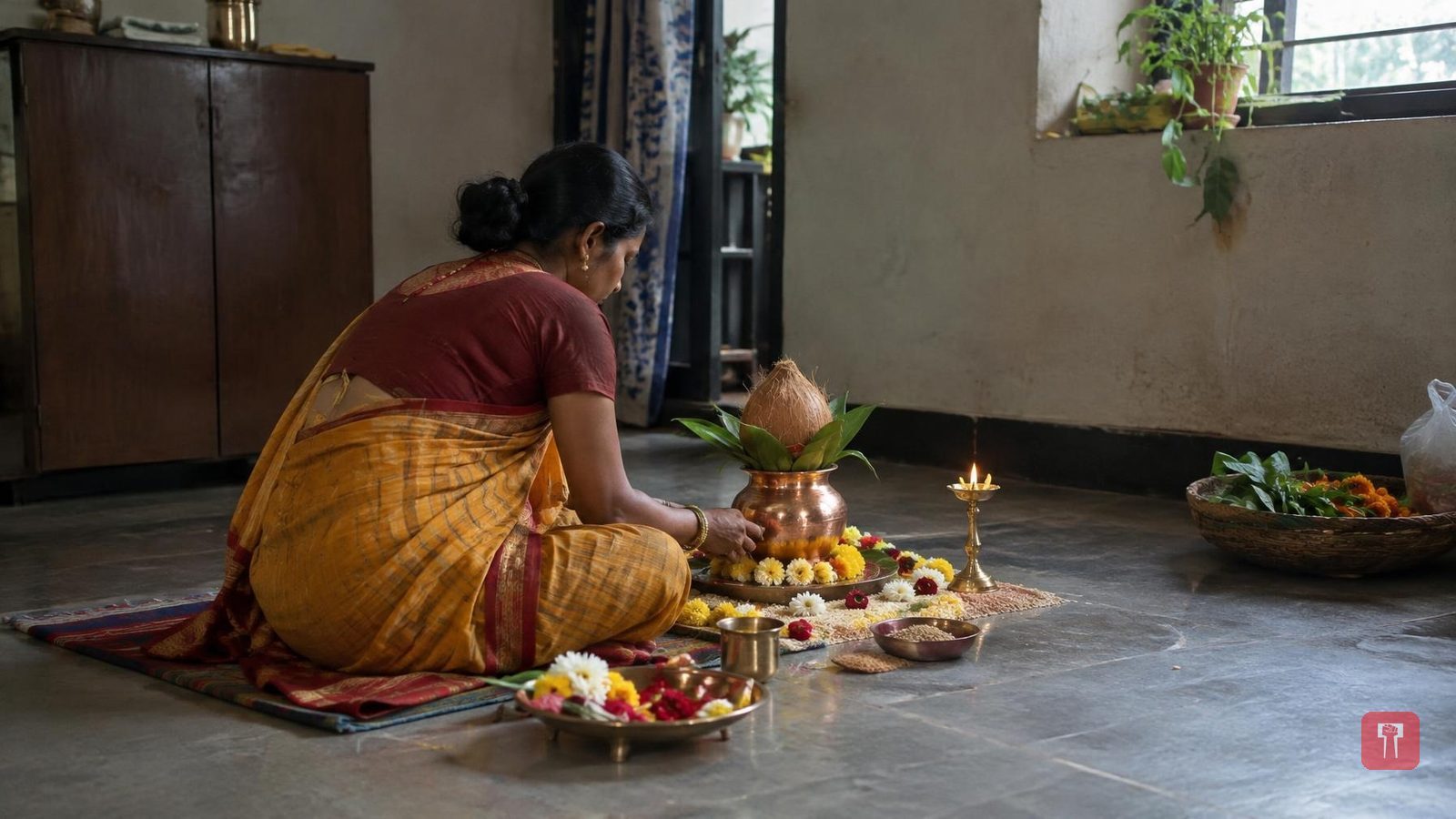
Shardiya Navratri begins this year on Sunday, October 11. Counted among the major festivals of Hinduism, the nine-day celebration involves the ritual worship of the nine forms of Goddess Durga. The worship begins on the first day with the installation of the kalash, also called ghatasthapana.
According to the Panchang, the auspicious time for ghatasthapana on October 11 is from 6.19 am to 10.12 am. If the kalash cannot be installed in this window for any reason, the Abhijit muhurat may be used. It will last from 11.44 am to 12.31 pm. According to the scriptures, installing the kalash on the Pratipada day of Navratri carries special significance, so devotees should try to do so in the auspicious time.
The procedure is as follows. First, clean the place of worship thoroughly. Then spread a clean red or yellow cloth on a chowki or a raised seat and place an idol or picture of Goddess Durga on it. Sow barley in an earthen pot and place the kalash over it. Fill the kalash with clean water and put in whole grains of rice, a betel nut and a coin. Then decorate the mouth of the kalash with mango or ashoka leaves and place a coconut on top. After this, meditate on Goddess Durga, take the sankalp (resolve) for the worship and begin the ritual. According to religious belief, the kalash is regarded as a symbol of happiness, prosperity and positive energy.
The items needed are: an earthen pot or a copper or brass vessel, clean water, Gangajal, mango or ashoka leaves, a coconut, mauli or kalava, roli and akshat, a betel nut, a coin, flowers and garlands, incense and a lamp, camphor, a red or yellow cloth, soil and barley. A puja thali, fruit and prasad will also be needed. Sowing barley along with the installation is a tradition. For this, barley is sown in clean soil and watered for nine days.
In many homes it is traditional to keep an akhand jyot burning through the nine days of Navratri. Those who light one should place the lamp where it will stay steady and away from flammable items. To prevent a fire, it is essential to keep the lamp away from small children and pets. The flame should also be watched continuously.
After ghatasthapana, the different forms of Goddess Durga are worshipped for nine consecutive days. Devotees may recite the Durga Saptashati, Devi Kavach, Durga Chalisa or other hymns to the Goddess, according to their family tradition and sankalp. During Navratri, special attention should be paid to cleaning the place of worship, regular worship and good conduct. It is believed that devotion to the Goddess and regular worship bring joy, peace and positive energy to the home.
This information on subjects such as religion, astrology, Vastu and Feng Shui is meant only for readers' general knowledge. It is necessary to consult an expert before attempting any related practice.
