

Sleeping near the akhand jyot in Navratri: beliefs and rules devotees follow
Devotees who keep the akhand jyot burning for nine days often ask whether sleeping near it is proper; religious traditions offer guidance on care, respect and cleanliness.
 Images are not validated/verified
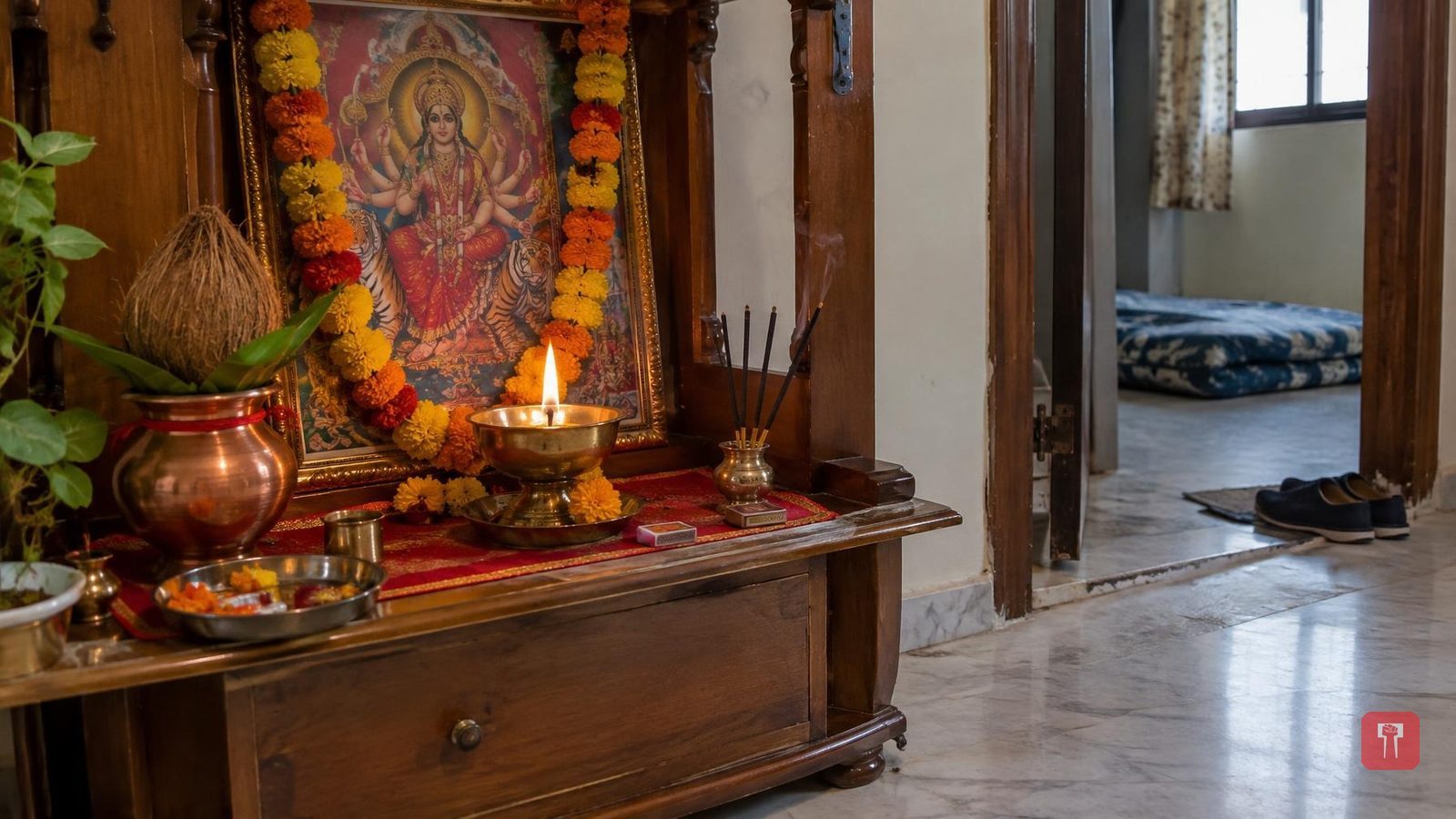
Shardiya Navratri holds special significance in Hinduism. During these days the nine forms of Goddess Durga are worshipped with rituals. To please Adishakti, devotees observe fasts and light the akhand jyot, an unbroken lamp, in their homes and temples. According to religious belief, the akhand jyot is regarded as a symbol of devotion, faith and positive energy.
Devotees who keep the lamp burning for nine days often wonder whether it is proper to sleep near it. Here is what astrology and the religious texts say on the matter.
This year, Shardiya Navratri begins on Sunday, October 11, and ends on Vijayadashami, Tuesday, October 20. Lighting the akhand jyot during Navratri carries special religious importance. The tradition is that the lamp keeps burning continuously through all nine days.
Akhand means continuous and jyoti means light or flame. During Navratri, devotees light the akhand jyot to worship Goddess Durga. According to religious belief, it is regarded as a symbol of knowledge, wisdom, faith and auspiciousness. Devotees wish that just as the lamp burns without a break, happiness, peace and prosperity may remain in their lives too. Those who light it therefore try to protect its flame throughout Navratri.
As per religious tradition, a vow is taken to keep the akhand jyot burning continuously, so regular care of it is necessary. If the lamp has been lit at home, ask a responsible person to check on it from time to time. It is important to take particular care of fire safety while sleeping or when leaving the house.
Some religious beliefs hold that sleeping with one's feet towards the place of worship is not proper. So if you are resting in the room where the akhand jyot is lit, maintain respect for that place of worship. This rule is viewed from the perspective of religious faith and tradition.
The place where Goddess Durga is worshipped and the akhand jyot is lit should be kept clean. Keep the puja items properly arranged and do not let things lie scattered around it. During Navratri, devotees try to maintain good conduct and focus on their prayers and rituals.
Some religious traditions also hold a belief about sleeping on the floor during Navratri. In these traditions it is regarded as part of penance, restraint and spiritual practice. However, this rule is not mandatory for all devotees. Each person may follow it according to their physical condition and family tradition.
