

World Mental Health Day: Why talking about mental well-being matters on October 10
This year's World Mental Health Day theme, making people mentally capable, stresses open talk, healthy routines and timely professional help.
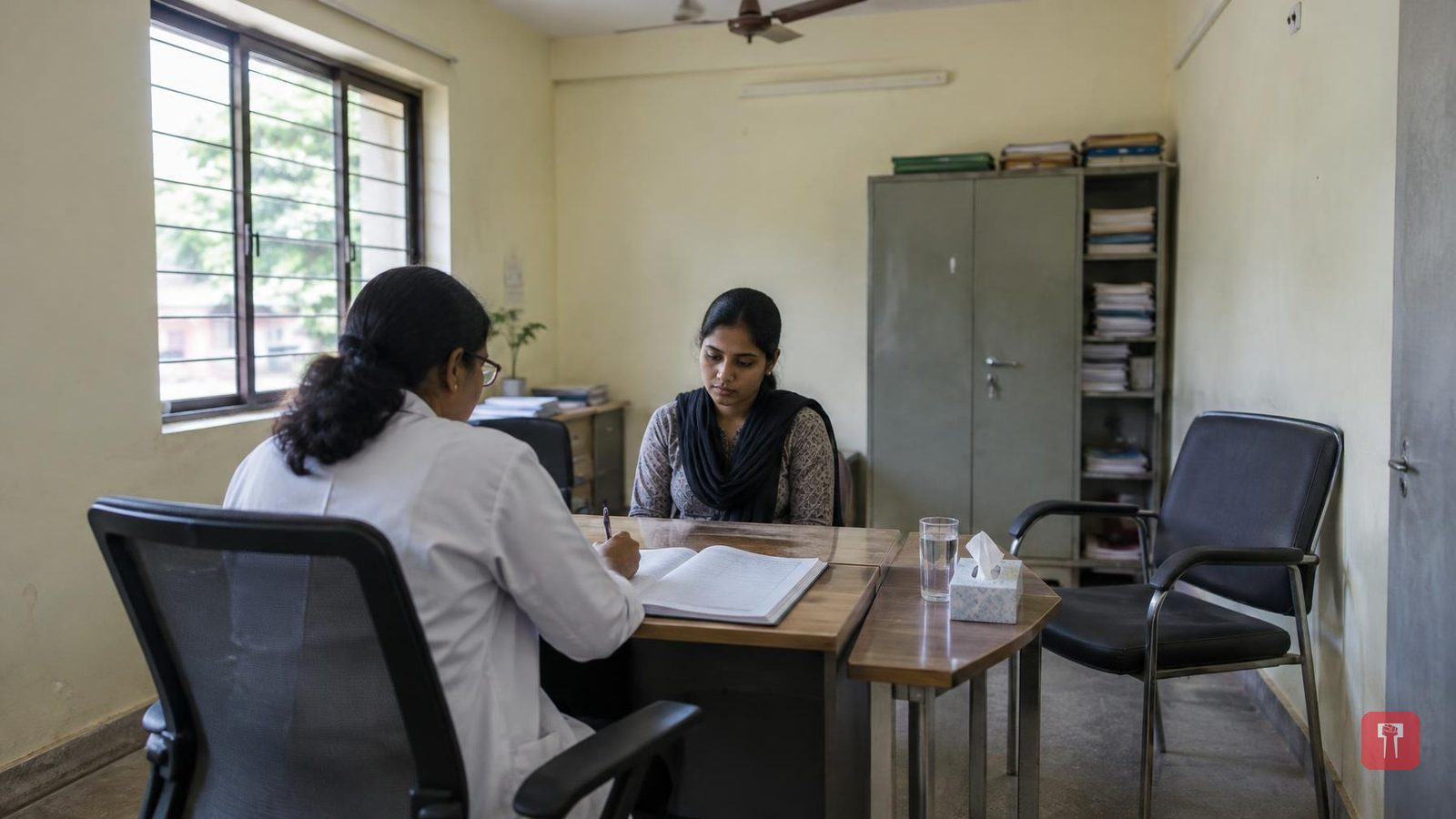 Images are not validated/verified
World Mental Health Day is observed across the world on October 10 every year. Its aim is to explain the importance of mental health and to change the misconceptions in society about mental illness.
In today's fast and competitive world, life has become hectic. Mounting pressure at work, money worries, responsibilities at home and the influence of social media mean that people of every age are going through some form of mental stress. When the body is injured or a fever strikes, people rush to a doctor at once, but when the mind is unwell or worry persists, they ignore it.
Mental health does not simply mean the absence of mental illness. It is a state of emotional, intellectual and social strength. Our thoughts, feelings, decisions and everyday behaviour are directly affected by mental health. When the mind is healthy, a person can face difficult situations with confidence and perform well both at home and at work. Conversely, poor mental health also affects the body and can lead to ailments such as heart disease, high blood pressure and sleeplessness.
The theme of this year's World Mental Health Day is "making people mentally capable". A society that is truly mentally capable will emerge only when every section understands the importance of mental health and people learn to express their feelings. With this aim, health bodies, non-governmental organisations and psychiatrists around the world hold seminars, workshops, free counselling camps and awareness rallies on October 10.
A person struggling with depression or anxiety often tells no one, for fear of what people will say or of stigma. The main purpose of the theme is to convey that talking about mental distress is not a sign of weakness but a positive step towards good health. Such people need support and backing more than sympathy.
The article says that changes in daily lifestyle are more effective than medicines in keeping the mind healthy. First, a balanced diet and regular exercise should find a place in the daily routine. Exercise produces the feel-good hormone known as endorphins in the body, which helps reduce stress. Seven to eight hours of calm, full sleep every day is also described as very important for brain health.
The other key factors are positive thinking and social support. Sharing feelings openly with family members or close friends lightens the mind's burden. Avoiding excessive use of digital devices, spending time in nature, meditating and making time for hobbies help bring peace of mind.
According to the article, early-stage stress can be reduced through one's own efforts, but if sadness, irritability or fear persists for a long time, it is very important to consult a professional counsellor or psychiatrist. Just as there are doctors for physical ailments, there are specialists to treat mental illnesses. Counselling and therapy taken at the right time can make a person's life happy and capable again.
Finally, looking after mental health is not the responsibility of one person or of doctors alone, but a shared responsibility of the whole society. On this occasion, everyone has been urged to pay attention to their own mental health and that of their loved ones, and to resolve to speak openly about it.
