

Supreme Court task force survey: 9% of students report suicidal thoughts in past year
A national task force set up by the Supreme Court says about 9% of surveyed students had repeated suicidal thoughts, though it calls the findings preliminary.
A large survey of college and university students across the country has shown the other side of the picture of studies, careers and a better future. The survey was conducted by the National Task Force set up by the Supreme Court.
According to the survey, about 9 per cent of students said they had suicidal thoughts repeatedly or several times in the past year. About 15 per cent said that over the past six months they had suffered deep mental distress, stress, sadness or anxiety for several weeks. Roughly one in every 10 students reported serious mental distress.
The survey included responses from more than 24.3 lakh students. The task force has nonetheless clarified that the current sample does not represent the entire student community, so the figures should be treated as preliminary and provisional. It said several parts of the survey are still being analysed.
The figures come at a time when the mental health of students in higher education institutions and suicides among them are being discussed seriously across the country. The Supreme Court set up the National Task Force to examine the problem and suggest preventive measures.
Campus experiences also emerged from the survey. About 34 per cent of students said they felt like outsiders on campus to some degree. About 67 per cent of the students surveyed belonged to the Scheduled Caste (SC), Scheduled Tribe (ST) and Other Backward Classes (OBC) communities. The task force has earlier studied issues such as social discrimination and loneliness in higher education, so a sense of belonging and equal treatment on campus is also an important part of this discussion.
The pressure on students is not limited to examinations or marks. Academic pressure, job uncertainty and anxiety over choosing a career also emerged in the survey. According to officials, worry over study options and persistent problems related to employment were common.
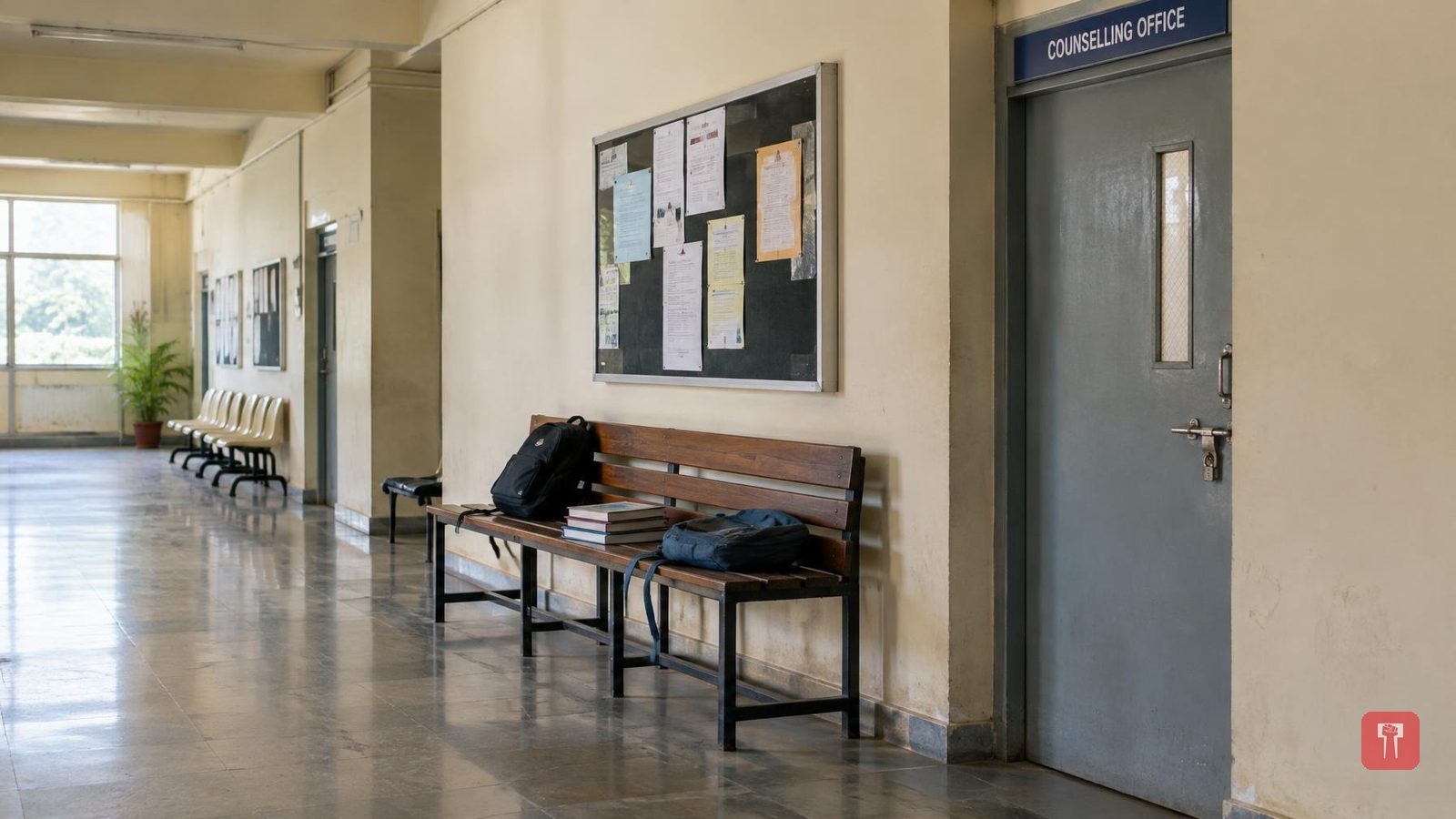
According to the survey, about 32 per cent of students said counselling was not available at their institution. On the other hand, 56 per cent said they were confident that their administration would handle serious cases fairly.
So far, 30 meetings have been held at 19 institutions, including institutions in Delhi-NCR, Tamil Nadu, Karnataka, Assam and West Bengal. Students raised many problems relating to studies, social life, mental health and administration. These include strict attendance rules, heavy academic and clinical workload, long on-call hours, difficulties in placements and a shortage of faculty. Students also complained of a lack of practical training and of PhD guides who are negligent or overly controlling.
Building a better support system on the basis of these signals is now the biggest challenge before the task force. Measures could include uniform and better mental health support across institutions, training for teachers, reducing hesitation around mental health problems, arrangements for immediate help in a crisis, and regular monitoring. The National Task Force is to submit its final report to the Supreme Court by October 31, 2026.
