

Odisha bars teachers from calling pupils 'lazy' or 'stubborn' in new mental health SOP
The state has issued a mandatory SOP for institutions from anganwadi centres to universities, with colour-coded screening of pupils and counselling.
 Images are not validated/verified
The pressure of studies and a hectic lifestyle is taking a toll on children's mental health. When children seem listless or score poorly, they are often dismissed as "lazy" or "stubborn". Stress or depression may lie behind such behaviour. Taking note of this, the Odisha government has taken a significant step.
The state government has issued a mandatory standard operating procedure (SOP) for all institutions, from anganwadi centres to schools and universities. The guideline aims to protect the mental health of children and young people and give them a healthy environment. Teachers who humiliate or taunt pupils in school can now face action. The government says this is not merely a paper order but the start of a sensitive change in the education system.
The SOP is based on a report titled "Operational Guidelines on Mental Health and Well-being of Children, Adolescents and Young Adults". Teachers and institutional staff have been asked to deal with children with great care. Scolding any student in front of others, using demeaning words or insulting them is strictly prohibited. Stress may be hidden behind a child's unusual behaviour or lack of interest in studies, and it is important to recognise it in time.
Under the new SOP, no teacher or school staff member may call any student "lazy", "stubborn" or any other insulting name. Children who fail to do homework on time or pay no attention in class are often reprimanded publicly. The government believes such public humiliation instils a sense of inferiority in children and can push them into despair. Staff will instead have to speak in positive, encouraging language.
The SOP has a specific rule to catch stress early. If a student remains very sad for more than two weeks, speaks of feeling afraid, is irritable without reason or has become violent, this will not be treated as ordinary behaviour. Such cases will be taken seriously at once. The school administration will identify the student, provide the necessary counselling and, if needed, refer the student to a mental health specialist.
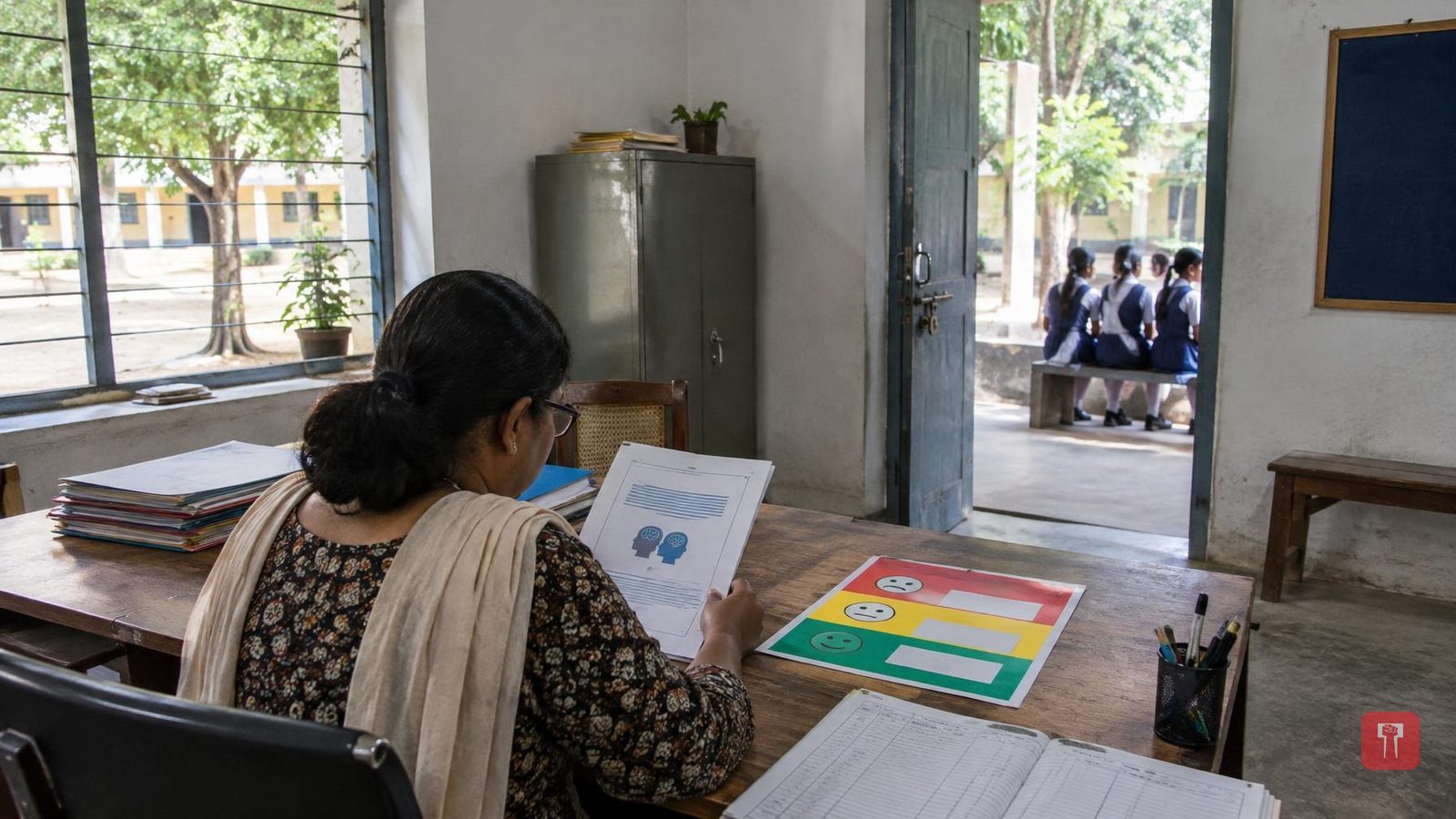
To assess students' mental state, they will be divided into three categories: green, yellow and red. This colour-coding system will determine which child needs routine monitoring and which needs immediate medical or psychological help. To cope with exam pressure, the SOP also advises a better routine, recommending a five-minute break after every 25 minutes of study, deep-breathing practice and a full night's sleep.
Guidelines have also been laid down for higher education institutions such as colleges and universities. Many students on campus struggle with serious challenges such as ragging, discrimination, substance abuse, loneliness of living away from home and failed relationships. To address these problems, the SOP recommends setting up a "mental health and well-being centre" in every college and university.
The government expects these measures to make educational institutions stress-free, helping young people grow mentally stronger and feel safe.
