

Centre caps trade margin on non-scheduled cancer drugs at 30%, prices may fall up to 70%
The Centre has limited trade margins on cancer drugs outside price control to 30 per cent, which could cut MRPs by up to 70 per cent and save patients about Rs 2,500 crore a year.
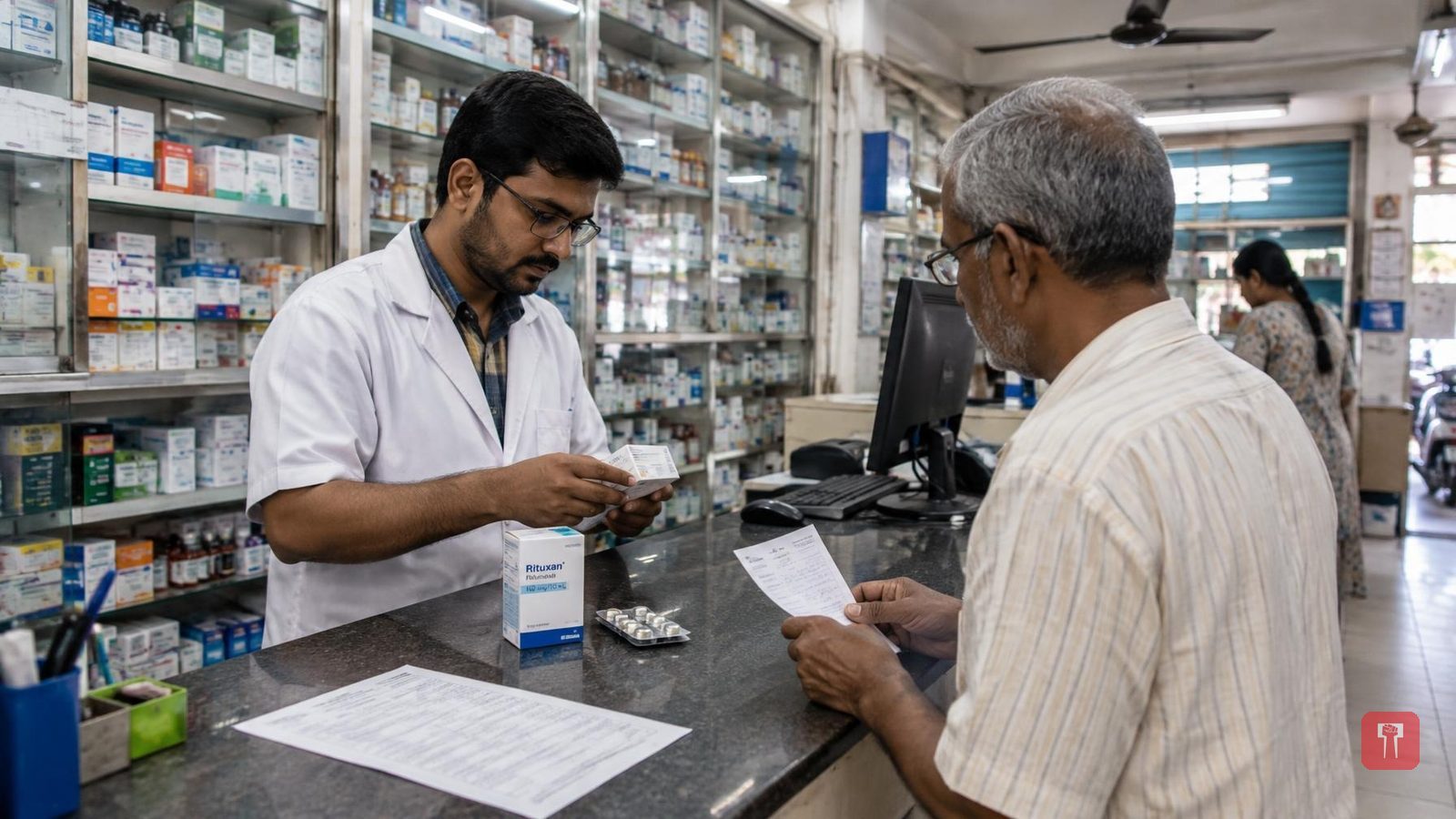 Images are not validated/verified
The Centre has taken a significant decision to give relief to patients who cannot bear the rising cost of cancer treatment. The government has approved capping the trade margin on the sale and supply of cancer drugs that are outside price control at a maximum of 30 per cent.
The decision is likely to bring down the MRP, or maximum retail price, of the drugs concerned by up to 70 per cent. According to an estimate by the Union Department of Pharmaceuticals, patients will save about Rs 2,500 crore a year as a result.
Cancer patients often have to take medicines over a long period. Because some drugs are expensive, patients and their families come under financial strain. If drug prices come down, it could help reduce the cost of treatment.
It has also been clarified, however, that the prices of all cancer drugs will not fall uniformly by 70 per cent. The benefit will be available only for the drugs that come within the scope of this decision.
So far, the government has had a system of fixing ceiling prices for drugs on the scheduled list of essential medicines. The way is now open for non-scheduled cancer drugs, those outside this list, to receive price protection as well. A 30 per cent cap will be placed on the trade margin charged between the drug manufacturer and the patient.
An expert committee under the Directorate General of Health Services will finalise the list of drugs that will benefit from the decision. Which drugs will actually become cheaper, and by how much, will therefore become clear only after this list and the pricing details are out.
The Centre's decision is expected to ease the financial burden of expensive cancer treatment. However, implementing price control without affecting the availability of drugs, and ensuring that patients actually get medicines at lower rates, will be equally important.
