

Heat storm hits cocoa crop in Ivory Coast and Ghana, prices nearly triple, chocolate costs feared
Output in the world's two biggest cocoa producers has reportedly halved after 'Heat Storm Vera', raising fears of dearer or lighter chocolate.
 Images are not validated/verified
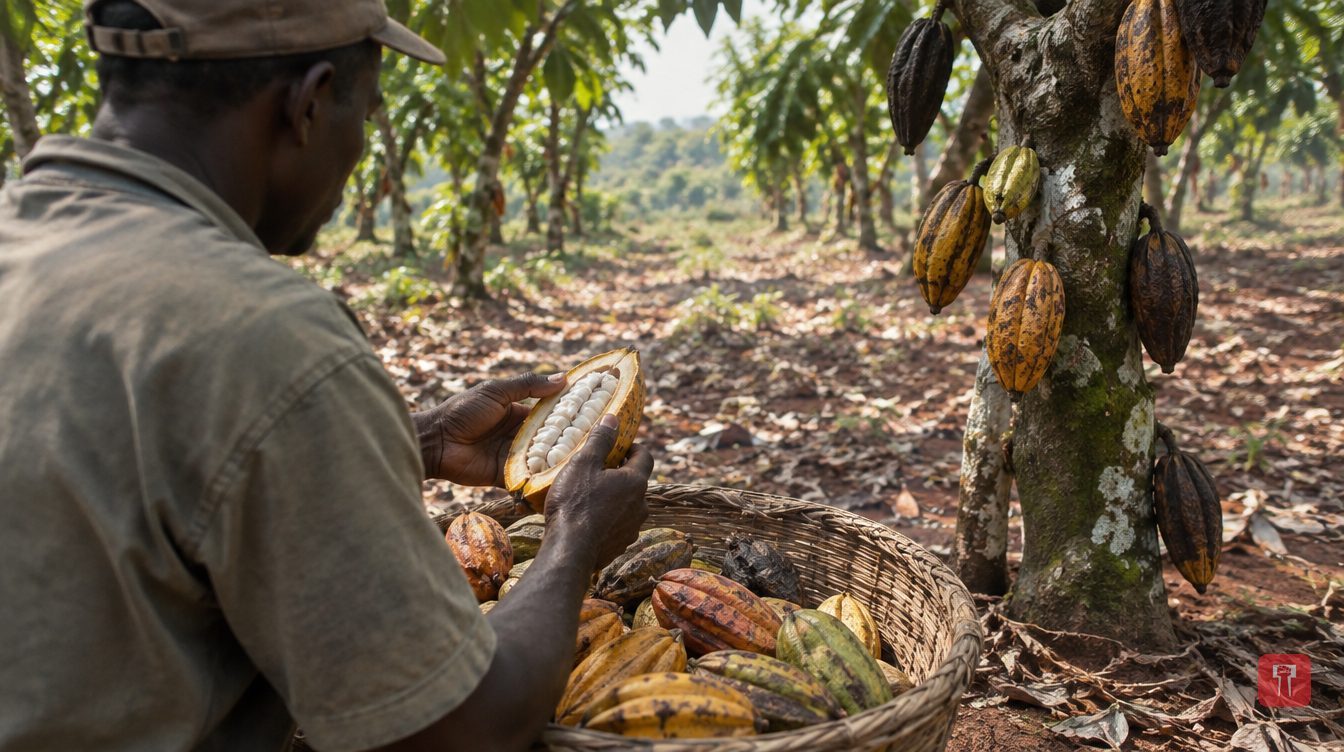
Worrying news has come from the global market for chocolate lovers. Changing weather is now hitting the chocolate industry directly. Ivory Coast and Ghana are the world's two biggest cocoa producers, and it is claimed that 'Heat Storm Vera' has badly damaged the cocoa crop there.
Output in the two countries fell by about half, leading to a shortage of cocoa in the world market. As a result, cocoa prices have nearly tripled, and the effect is feared to reach chocolate prices as well.
Ivory Coast and Ghana are considered the biggest centres of cocoa production. Together they account for about 50 per cent of the world's cocoa output. For this reason, any change in the weather in these countries directly affects the international market.
The heat storm raised temperatures sharply in the region. The intense heat put stress on cocoa trees, affecting flowering, the setting of fruit and the growth of cocoa pods. Farmers' yields fell steeply. With the crop in both countries down by about half, worldwide cocoa supply has come under pressure.
Cocoa is the main raw material for making chocolate, so a fall in supply affects the whole chocolate industry. Lower production in Ivory Coast and Ghana has left chocolate makers facing a double problem: raw material is hard to get, and costs are rising.
With cocoa prices nearly three times higher, companies are having to rethink their production costs. Some may have to raise chocolate prices. Some may try to cut the weight of their chocolate to absorb the rising costs. Consumers' pockets are therefore feared to be affected too.
Local farmers are bearing the brunt of the lower cocoa output. Lower yields from heat-hit trees, crop losses and shifting rain patterns have made farming harder.
Although prices have risen, the full benefit does not necessarily reach the farmers. Rising farming costs, diseases and low yields have made their earnings uncertain. Maintaining weather suited to cocoa cultivation has also become a major challenge.
The effects of global warming are no longer limited to farming or water supply. They are now showing up in everyday favourite foods. The fall in cocoa production is being seen as an example. If intense heat waves and erratic rain increase further, cocoa output could come under more pressure, and keeping up a steady supply of raw material will be a big challenge for the chocolate industry.
