

Heat storm has formed somewhere on Earth every day since July 6, 2008, claim says
A claim says at least one heat storm has formed somewhere on Earth every day for over 18 years without a single break.
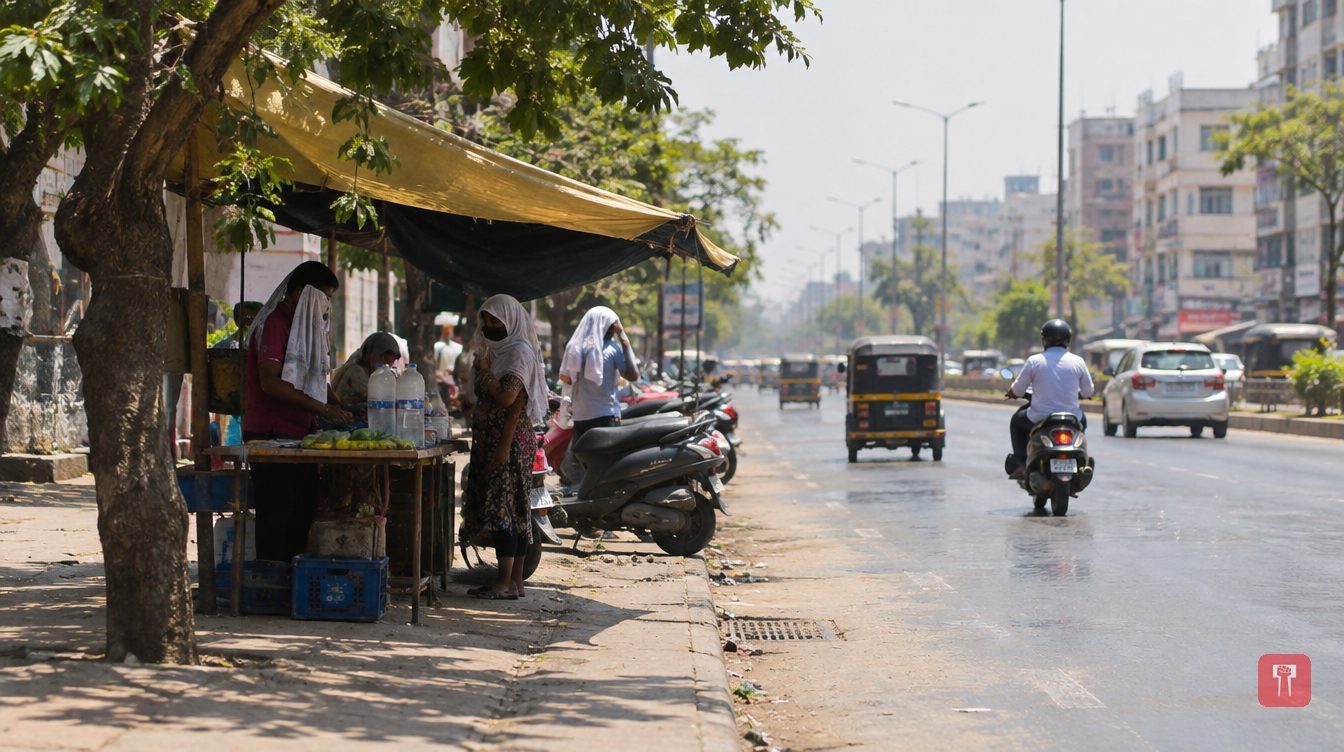 Images are not validated/verified
It has been claimed that at least one heat storm has formed somewhere on Earth every day since July 6, 2008. The streak has run for more than 18 years and has not broken for even a single day. Growing weather uncertainty, record temperatures and intense heat events have posed a new challenge for the whole world.
The atmosphere of the Earth is getting warmer day by day because of various kinds of pollution. Nepal's terrible floods were seen recently, and their heart-wrenching form also came to light. Scientists and environmental workers across the world are worried about the melting of ice. The consequences of rising temperatures are now appearing in graver forms.
A heat storm does not simply mean a rise in temperature in a city. When unusual and intense heat builds up in an area and proves dangerous to human health, the environment and daily life, such events are broadly called heat storms.
These include rising temperatures, prolonged heatwaves and changes in the atmosphere. In such conditions, even the night temperature does not fall. The body therefore gets no chance to recover from the day's heat. As a result, the risk of heatstroke and heart problems rises.
Weather experts say that as global temperatures rise, intense heat events are happening more often and are also getting harsher. Growing use of fossil fuels, the burning of coal and oil, deforestation and higher greenhouse gas emissions are warming the Earth.
In cities, concrete buildings, a growing number of vehicles and a shrinking tree cover make the effect of heat felt more. City temperatures stay high, especially at night as well. This causes people considerable hardship.
Agriculture and natural resources are the most affected by the rising number of heat events. The moisture that crops need falls short. Evaporation of water from the soil increases and more irrigation is needed. This could affect farmers' capacity to produce yields. On the other hand, heat could also affect the availability of water in rivers, ponds and dams.
The conditions are even more dangerous for labourers, construction workers and people who work in the sun. This long chain of heat events on Earth draws attention to the growing challenges of climate change. Cutting carbon emissions, planting trees, using renewable energy and prioritising sustainable development have become the need of the hour to curb rising temperatures.
