

Hungary hit by its worst drought in 126 years, straining farms, the Danube and power output
Hungary's national weather service data show 2026 is the most intense drought in 126 years, with crops, rivers and energy production affected.
 Images are not validated/verified
Hungary, a country in Central Europe, is battling a severe drought. Data from the Hungarian national weather service show that the 2026 drought is the most intense in the past 126 years. Rain stayed away for a long time, temperatures kept rising and soil moisture kept falling, worsening the situation. The crisis is affecting agriculture, rivers and energy production, and the availability of water has become a major question for the country.
The shortage of water began to be felt from the second half of 2025. The situation worsened in the summer of 2026. A heatwave struck in June, and temperatures stayed high in July and August as well. Rain did not arrive as expected during this period, and soil moisture dropped rapidly.
According to data from the Hungarian weather service, the country received an average of only 74.1 millimetres of rain in the summer of 2026. This was just 36 per cent of the average rainfall between 1991 and 2020. The average summer temperature was also recorded at 2.59 degrees Celsius above the normal level. Low rainfall and rising temperatures together increased the intensity of the drought.
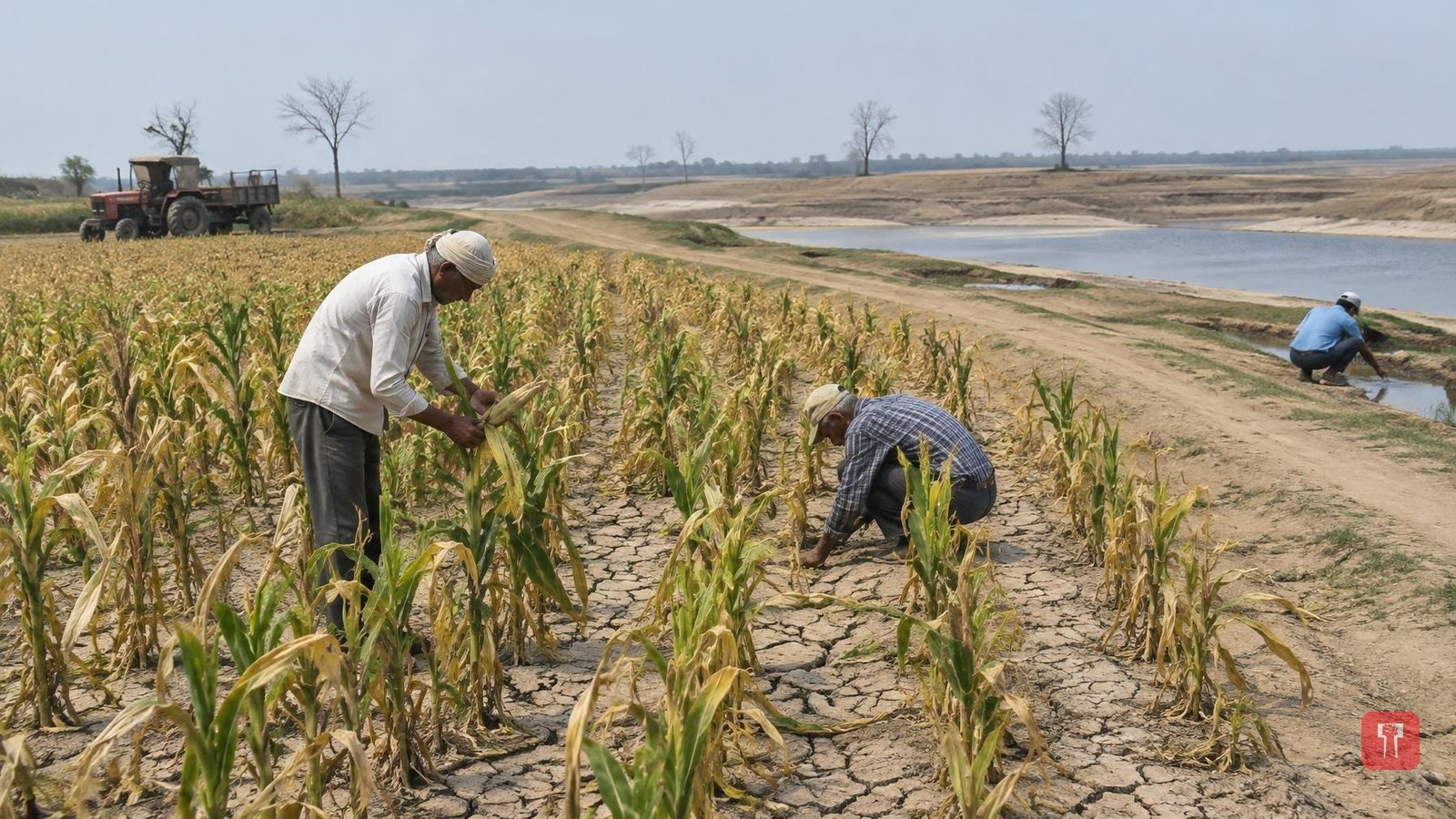
Agriculture is bearing the brunt of the drought. Crops did not get the water they needed, so soil moisture has fallen, and both the growth of crops and the quality of the yield have been affected. Farmers in Hungary, known for its maize production, face a serious crisis.
With the maize crop not getting enough water, the fear of a lower yield has grown. Some farmers are turning to crops that can survive on less water, such as sunflower. But water is falling short even where irrigation is available, so not all farmers are getting relief. If crop losses rise, farmers' incomes will fall and the grain market may also be affected. The growing impact of climate change on European agriculture is evident from this crisis.
The drought has also affected the water level of the Danube. With less water in the river, which is counted among Europe's important rivers, water transport and industrial work have run into difficulties. The functioning of the Paks nuclear power plant, which depends on the river's water, has also been affected by the water shortage. The plant uses river water to keep its reactors cool.
To deal with the drought, Hungary is putting emphasis on alternative ways of holding and storing water. In some areas, volunteers are building small dams and water-retention structures. The aim is for rainwater to seep into the ground, for the groundwater level to improve and for wetlands to be revived. However, such measures will take time to show results. Rising temperatures and erratic rainfall mean the risk of such crises may persist in future.
