

Hanuman Chalisa, Sankat Mochan Hanumanashtak and Bajrang Baan: how the three devotional texts differ
All three centre on devotion to Hanuman, but they differ in structure, mood and their place in the bhakti tradition.
 Images are not validated/verified
The Hanuman Chalisa, the Sankat Mochan Hanumanashtak and the Bajrang Baan are considered especially significant in the worship of Hanuman. All three centre on devotion to Hanuman, yet they differ in structure, mood and their place in the bhakti tradition.
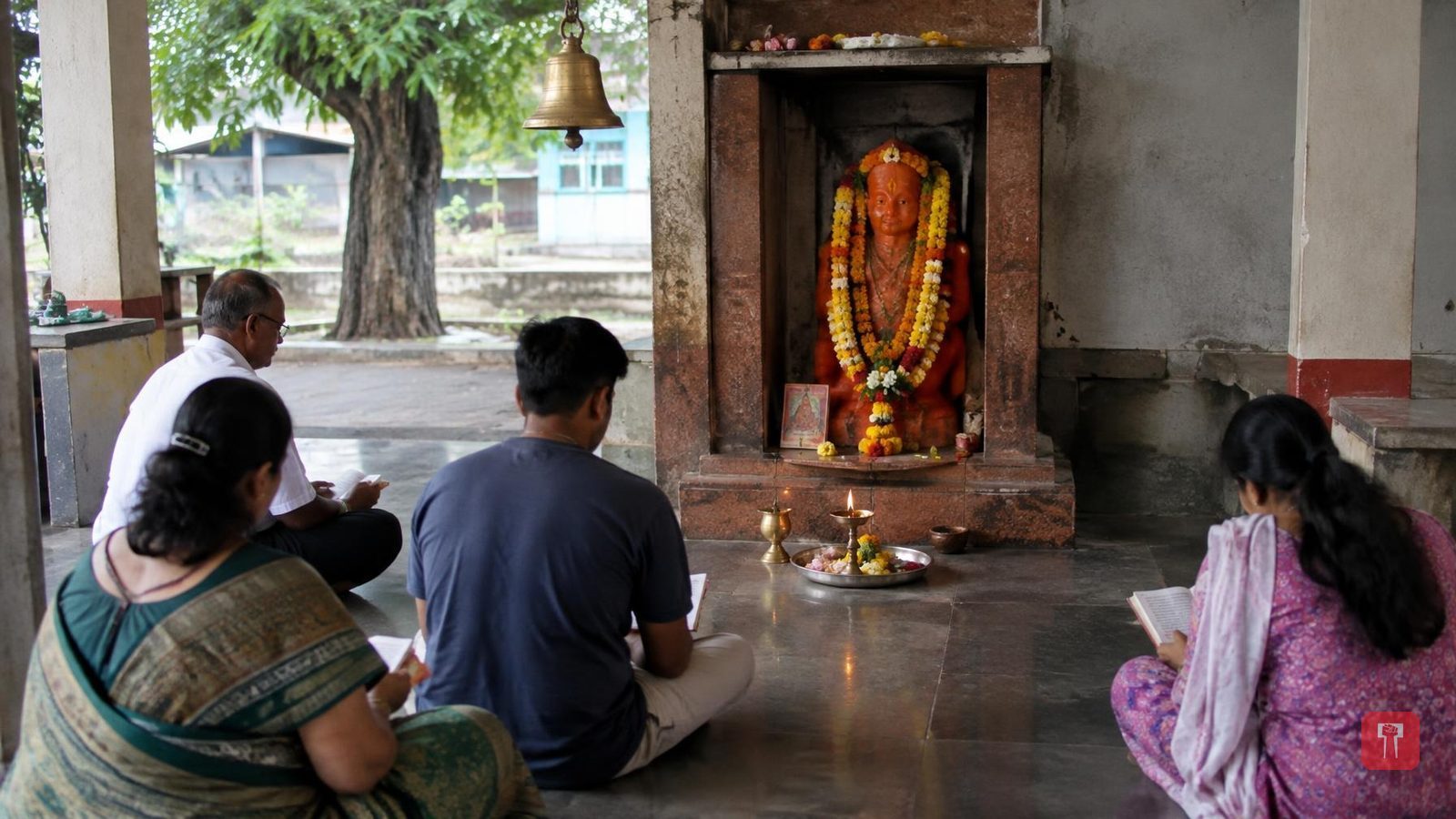
In the Indian bhakti tradition, Hanuman is regarded as a symbol of strength, wisdom, patience, loyalty and unwavering devotion to Ram. Giving courage in times of crisis, inspiring believers to shed fear and teaching them to stay on the path of devotion, he is revered by crores of devotees. The crowds that throng Hanuman temples on Tuesdays and Saturdays, the collective recitation of the Hanuman Chalisa and the cries of "Jai Hanuman" from devotees reflect this faith.
The Hanuman Chalisa praises Hanuman's virtues and valour. The Sankat Mochan Hanumanashtak invokes Hanuman as the protector of devotees from varied troubles. The Bajrang Baan, on the other hand, is a plaintive appeal to Hanuman to destroy troubles.
Composed by Goswami Tulsidas, the Hanuman Chalisa is a popular devotional work in many parts of the country, from north India to Maharashtra. Written in the Awadhi language, it has 40 chaupais. Its structure is an opening doha, forty chaupais and a closing doha.
The Chalisa describes Hanuman's strength, knowledge, discernment, valour, loyalty to Lord Shri Ram and his ability to remove the sorrows of devotees. The work also conveys that Hanuman is not merely a symbol of immense strength but also an ideal of intelligence, humility and devotion to duty.
In the chaupai "Buddhiheen tanu janike, sumirau pavan-kumar", Tulsidas remembers Hanuman and prays for intellect and knowledge. It reflects an awareness of human limitations, humility and hope for guidance. The chaupai "Sankat kate mite sab peera, jo sumirai Hanumat balbeera" expresses the devotee's faith that remembering Hanuman brings victory over troubles.
There is no need to wait for a major crisis to recite the Chalisa. Many devotees recite it with devotion every morning or evening, while some do so on Tuesdays and Saturdays. Regular recitation can help focus the mind, encourage positive thoughts and give mental strength in difficult situations.
Like the Chalisa, the Sankat Mochan Hanumanashtak also has a special place in Hanuman devotion. The work, considered to be associated with Goswami Tulsidas, has eight verses and describes Hanuman's valour and his power to remove troubles.
It recalls Hanuman's feats in service of Lord Shri Ram: crossing the ocean in search of Sita, entering Lanka and delivering Shri Ram's message to Sita, facing the dangers of Lanka, and bringing the Sanjeevani herb to save Lakshman's life. These episodes bring out Hanuman's patience, resourcefulness and spirit of service.
The main sentiment of the Hanumanashtak is to remember Hanuman in times of trouble and seek patience and support. Many devotees recite this stotra when faced with obstacles in life, when the mind is restless or when they need strength to face difficult circumstances. The work does not merely pray for the removal of trouble; it also reminds the reader of the patience, loyalty and effort needed to face it.
Another well-known work of Hanuman devotion is the Bajrang Baan, traditionally linked to Goswami Tulsidas. Its words include an invocation of Hanuman's strength, his unwavering loyalty to Lord Shri Ram and a plaintive plea for the removal of the devotee's troubles.
"Bajrang" is a popular name of Hanuman. Given to the one whose body is as hard and strong as the vajra, the name recalls his strength. The word "baan" evokes the image of an arrow that hits its mark. For this reason the Bajrang Baan is known in the bhakti tradition as an invocation of Hanuman's power for victory over troubles.
In the Bajrang Baan, the devotee invokes the name and work of Lord Shri Ram and asks Hanuman to attend to the devotee's troubles. The mood of the work is more plaintive and in the nature of a cry for help. For this reason, in some traditions it is customarily recited at times of particular distress.
There is also a belief that the Bajrang Baan should not be recited repeatedly without reason or for trivial matters. Some devotional traditions prescribe special rules for its recitation. However, this is not a religious restriction regarded the same way everywhere. Reciting it with devotion and correct pronunciation is considered important, and there is no reason to fear the work.
While reciting the Bajrang Baan, a devotee can lay fear, restlessness and despair at Hanuman's feet and draw inspiration to face circumstances with courage. Along with expressing religious faith, making the effort needed to solve real-life problems is equally important.
