

World Gulab Jamun Day on October 10: history, name and new varieties of the sweet
The sweet loved across India is marked every year on October 10, and its origins, name and many modern forms are the subject of debate and celebration.
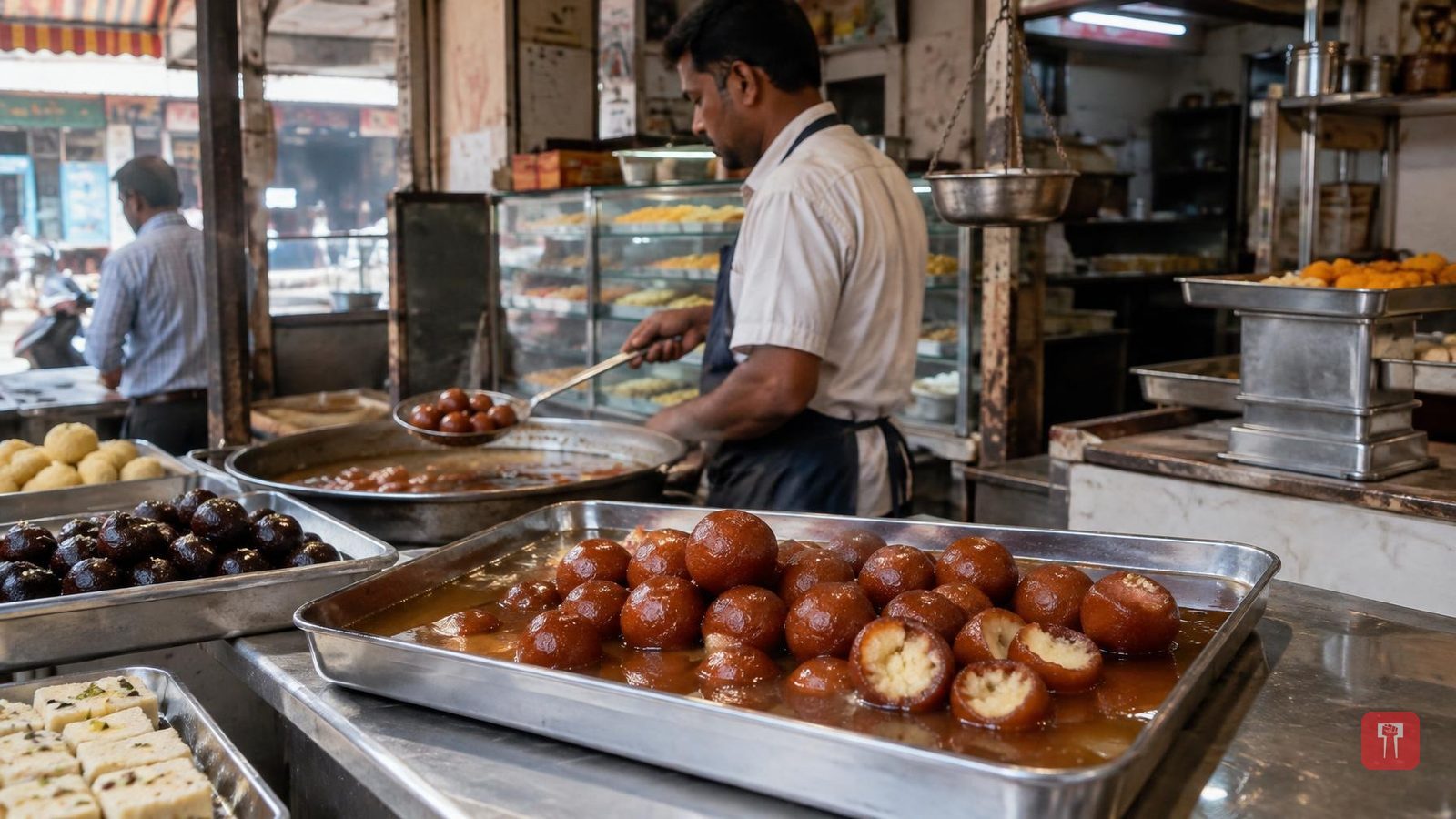 Images are not validated/verified
Whether it is a festival, the wedding season or a small piece of good news at home, the first sweet that comes to mind when it is time to celebrate is the gulab jamun. The sweet, which melts on the tongue, is a favourite of children and adults alike, and is eaten with relish not only in Maharashtra but across India.
World Gulab Jamun Day is observed on October 10 every year to honour this beloved sweet and recall its rich tradition. The day is not merely the celebration of a sweet. It is regarded as a symbol of Indian food culture, belonging and sweetness.
The making of gulab jamun is part of a beautiful tradition of the Indian kitchen. Khoya (mawa) made from pure milk is mashed well and shaped into small balls. These are fried on a low flame in ghee or oil until golden brown. They are then dipped in a lukewarm sugar syrup scented with cardamom, saffron and rose petals. Once the syrup has soaked through the jamun, its juicy, soft taste is hard to put into words. Served hot or with cold ice cream, it is nothing short of a feast for food lovers.
Historians differ on its history. According to many food historians, a sweet called Luqmat al-Qadi came to India from Central Asia or Persia (Iran) in the medieval period. During the Mughal era, Indian cooks gave it a new Indian form using local khoya and sugar.
The roots of the name are also traced to Persian words. The word "gulab" is formed from "gul" (flower) and "aab" (water or extract), meaning rose-scented water. The name "jamun" comes from its round shape and the deep, jamun-like colour it takes on after frying. Thus the sweet, rose-scented and resembling a jamun, came to be called gulab jamun.
Over time, Indian cooks and women at home have made many experiments with gulab jamun. Today markets and homes offer many varieties, not just the traditional mawa gulab jamun. Dry gulab jamun is taken out of the syrup and coated with desiccated coconut or sugar, which makes it good to carry on journeys. Kala jamun is fried longer on a low flame to give it a deep black colour, with a slightly firm outer layer and a very soft inside. Paneer and chhena jamun are made with fresh paneer or chhena instead of khoya and are extremely light and soft. Kesar and stuffed jamun are given a more regal look with a filling of cashew, almond, pistachio and saffron.
Through Indian restaurants, gulab jamun has made a distinct name for itself across the world. When foreign tourists and food lovers visit India, their trip is not complete without tasting gulab jamun. On World Gulab Jamun Day, many people make gulab jamun at home, while some celebrate by sharing the sweet with friends, family and colleagues. The day is a reminder that food is not only meant to satisfy hunger, but is also a fine way of bringing people together and sweetening relationships.
