

Pope Leo XIV opposes plan to broadcast US firing squad execution live
The Pentagon plans to execute Nidal Malik Hasan by firing squad on December 3, 2026 and broadcast it, prompting a fresh debate on capital punishment.
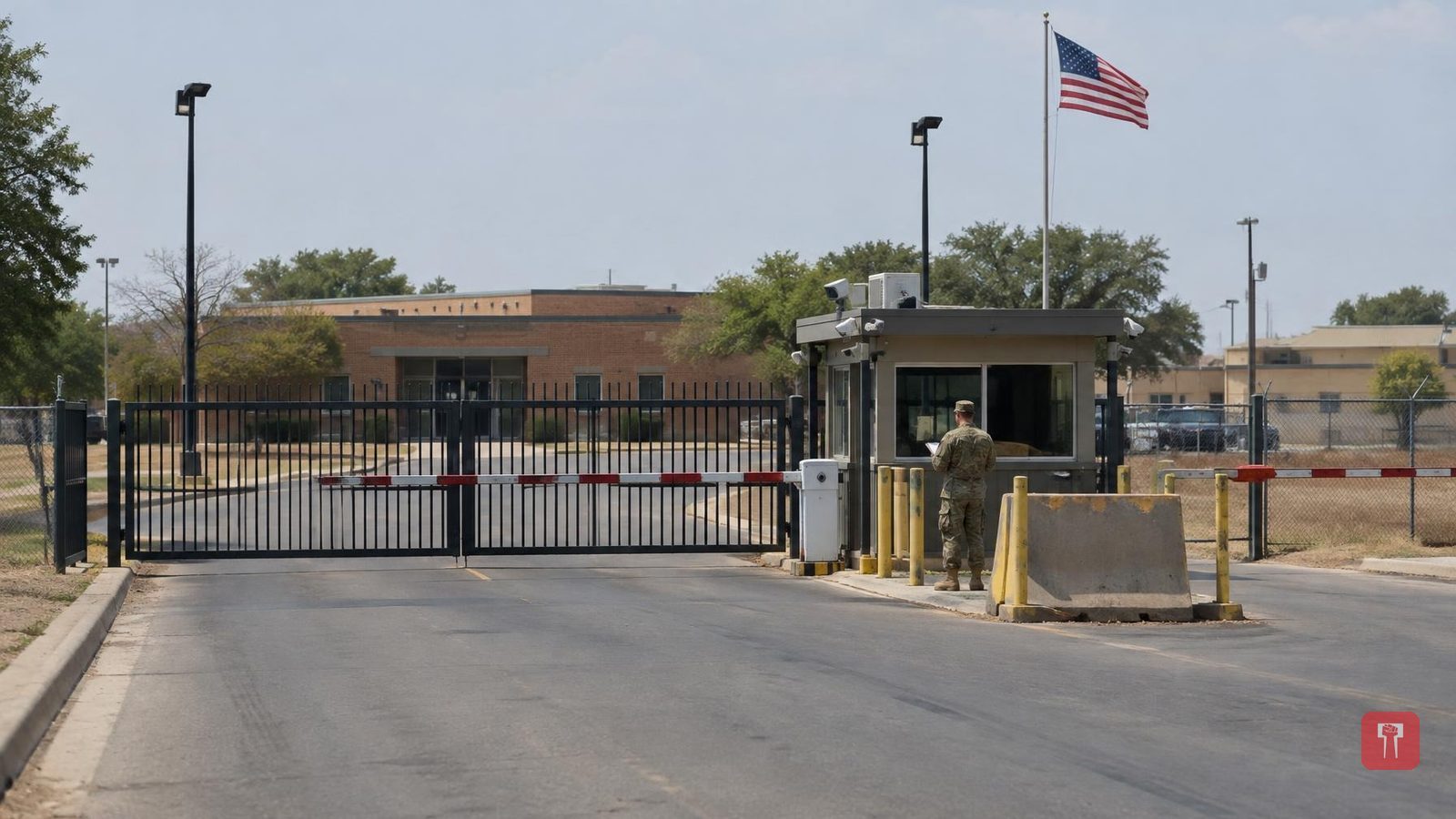 Images are not validated/verified
A fresh debate has begun in the United States over the method of carrying out the death penalty and its public broadcast. A plan to broadcast live an execution carried out by a firing squad is under discussion. Meanwhile, Pope Leo XIV has opposed the death penalty, calling it "unacceptable".
The issue has once again raised questions about human dignity, the justice system and the morality of punishment. There are differences of opinion across the world on whether the death penalty is a way of deterring crime or a violation of human rights.
The US Department of Defense has announced a plan to execute Nidal Malik Hasan, convicted in the 2009 shooting at the Fort Hood military base in Texas, by firing squad on December 3, 2026. Thirteen people were killed and 32 injured in the attack. A military court sentenced Hasan to death in 2013.
The Defense Department has also said it plans to broadcast the execution live. The decision has, however, triggered a legal and moral controversy in the US. Questions are being raised over whether it is right to broadcast an execution live. The date and the broadcast plan have been announced, but they may change because of further legal proceedings.
Pope Leo XIV spoke on social media on World Day Against the Death Penalty. He said the death penalty strikes at human dignity and the sanctity of human life. He also said society can be protected by keeping offenders in prison, and that they can be given a chance to reform.
Cardinal Pietro Parolin, the Vatican Secretary of State, also criticised the US plan. He said making a person's death a public spectacle is unacceptable. He made it clear that even those who commit grave crimes can be given punishments other than the death penalty.
Opinion in the US on the death penalty is divided. Some support it, saying victims of serious crimes should get justice and such crimes should be deterred. Human rights organisations and religious leaders oppose the punishment.
The possibility of error by the justice system and the permanent loss of a convict's chance to reform are the main arguments against the death penalty. With the idea of broadcasting an execution live now in the open, a fresh discussion has begun on the purpose of punishment, human dignity and public interest. The question of how to balance human dignity and public safety while delivering justice has come up again.
