

Fort Hood shooter Nidal Hasan to face firing squad on December 3; execution to be livestreamed
Former army psychiatrist Major Nidal Malik Hasan is to be shot dead on December 3, 2026, with the US defence secretary announcing a live broadcast.
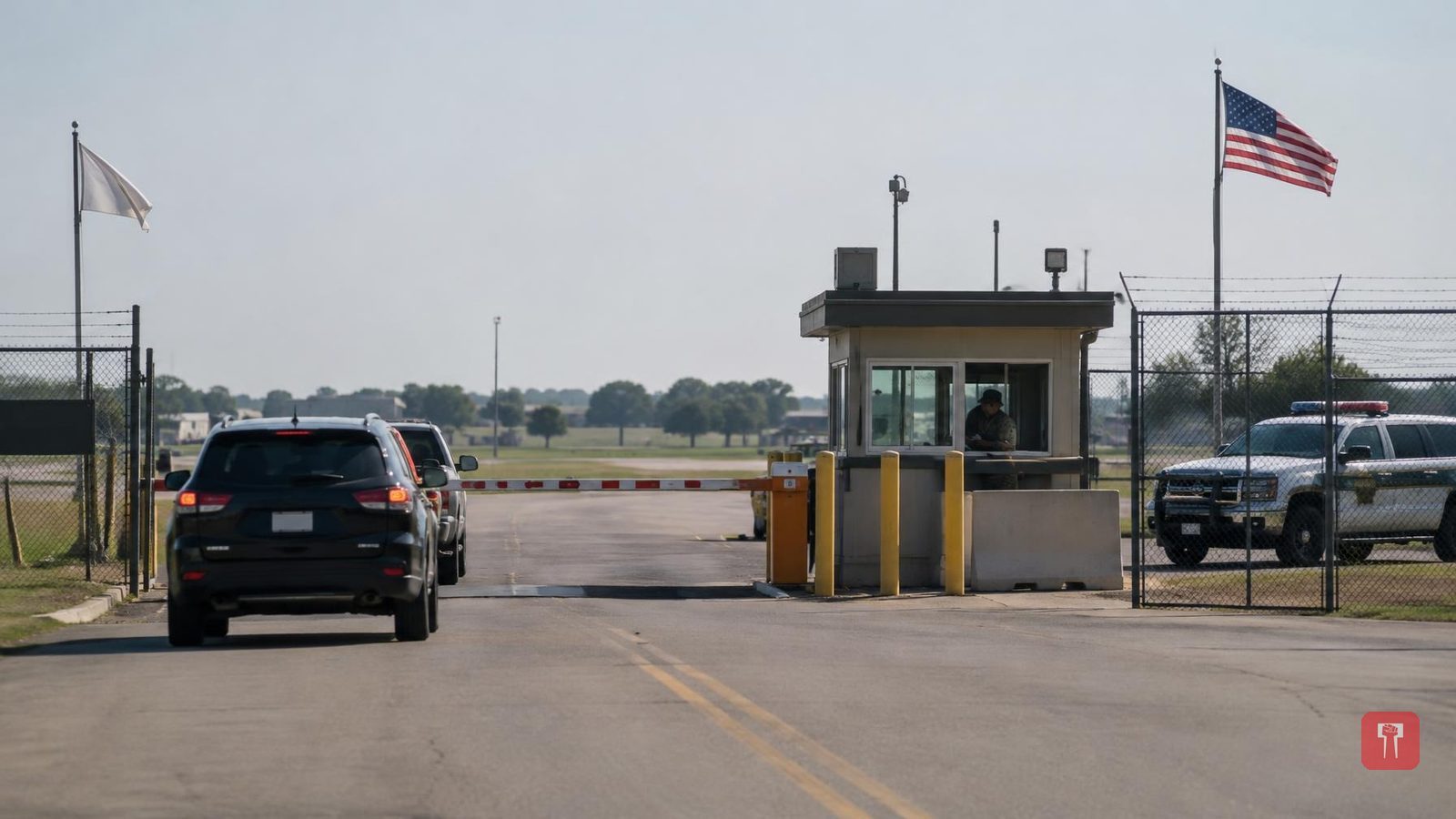 Images are not validated/verified
A highly controversial event is set to take place in the history of the American justice system and military. Major Nidal Malik Hasan, the main accused in the 2009 Fort Hood shooting case and a former army psychiatrist, is to be executed by firing squad at 1 pm on December 3, 2026. According to an announcement by US Defence Secretary Pete Hegseth, the execution will be livestreamed to the whole world. Following the announcement, the question has been raised worldwide whether such a broadcast is legal.
Nidal Hasan opened indiscriminate fire at the Fort Hood military base in Texas on November 5, 2009. Thirteen innocent soldiers and civilians were killed, while 32 people were seriously injured. In August 2013, a military court convicted him and sentenced him to death. The US Supreme Court rejected his review petitions in March 2025. In October 2026, President Donald Trump then gave final approval for the sentence to be carried out.
The question now is whether death by shooting is legal in the United States. The answer is yes. In 1879, the US Supreme Court made clear that a sentence carried out by firing squad does not fall within the definition of cruel or unusual punishment. Today, five states, Idaho, Mississippi, Oklahoma, South Carolina and Utah, legally permit execution by firing squad.
The US military last used a firing squad in 1945, and the last military hanging was carried out in 1961. In that sense, Nidal Hasan's sentence will be the first military execution in about six decades.
Carrying out the sentence and broadcasting it live on the internet are two entirely separate legal issues. Under US federal prison rules, video or audio recording of any execution is strictly prohibited. However, the military rules do not explicitly bar a live broadcast, and experts are of the view that this legal gap is being exploited.
Under military rules, only officials, lawyers, victims' family members and a limited number of journalists may be present on such an occasion. Children under 18 are strictly forbidden from watching. Legal experts argue that when an event is shown live on the internet, it becomes almost impossible to keep it from reaching children.
Sharp reactions are coming in from around the world to the US decision. The United Nations human rights office has strongly opposed the broadcast. According to it, the public broadcast of any execution is an affront to human dignity and a direct violation of the prohibition on torture under international law.
Political differences are also visible within the United States. Some prominent senators from both the Republican and Democratic parties have opposed the broadcast. They say there is a big difference between dispensing justice and making a public spectacle of death. On the other hand, according to the defence secretary, a public broadcast will bring the terrible consequences of serious crimes before the world and offer a lesson. Human rights organisations also fear that terrorist and extremist groups could use the video for their propaganda.
