

Night shift work linked indirectly to cancer risk, but studies do not agree, says oncologist
Long-term night shift work may raise cancer risk, but large studies have not produced consistent results, and no firm conclusion can be drawn.
 Images are not validated/verified
According to medical research, there may not be a direct link between long-term night shift work and the risk of cancer, but there is certainly an indirect one. The International Agency for Research on Cancer (IARC), which comes under the World Health Organization (WHO), has placed night shift work in 'Group 2A'. This means "Probably Carcinogenic to humans", that is, likely to cause cancer in humans.
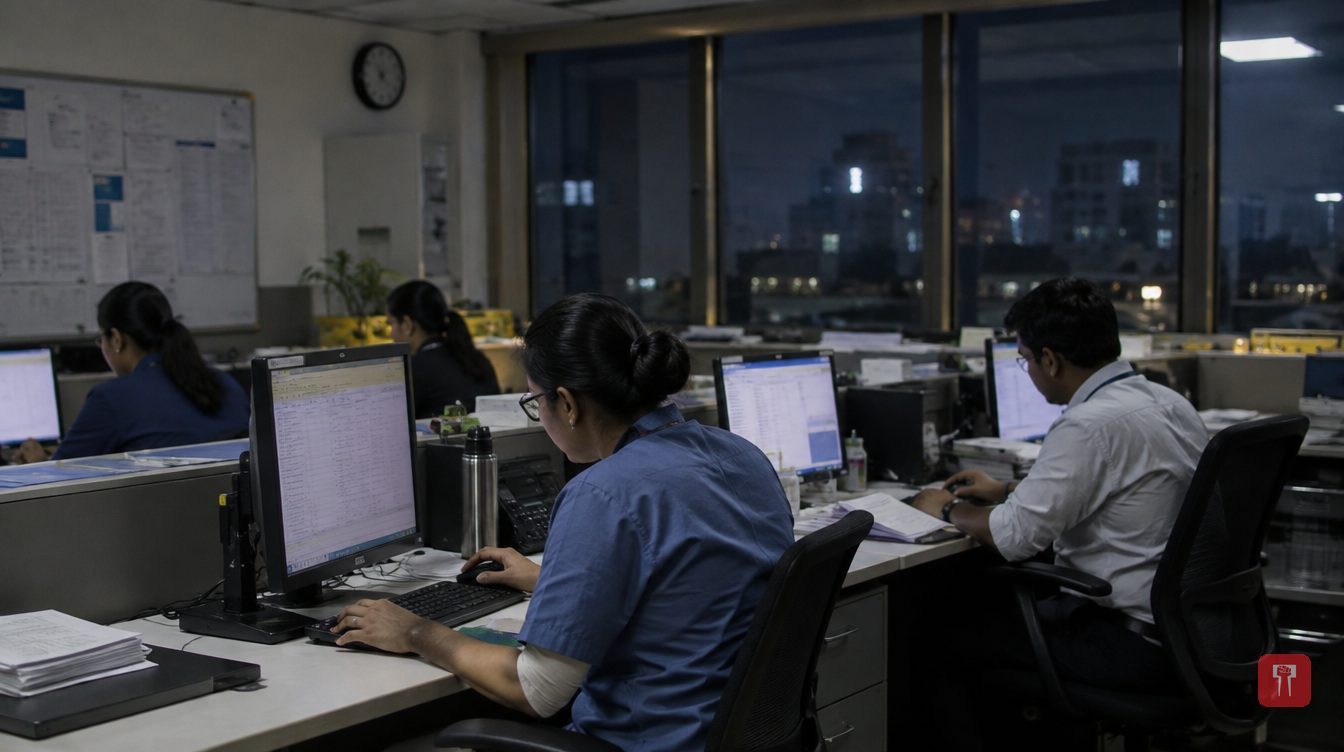
A large number of employees work night shifts in hospitals, call centres and many other sectors. Staying awake all night and sleeping during the day has become part of many people's lives. Many wonder whether years of night shifts affect health, and whether they can raise the risk of cancer.
Research on the subject has been under way in the medical field for several years. Night shift workers' sleep, hormones and natural biological cycle can be affected, which is why a higher risk of some illnesses is feared. However, the findings of all studies on night shifts and cancer are not the same. Dr Vedant Kabra, principal director of the surgical oncology department at Fortis Memorial Research Institute, has provided key information on the subject.
Working night shifts for a long time is considered one of the possible risk factors for some types of cancer. Even so, large medical studies have not produced consistent results. Long night shifts may increase the risk of cancer, but it cannot be firmly concluded that night shifts lead to cancer.
Among the scientific reasons, the first is the IARC category, under which night shift work is considered potentially carcinogenic. The second is disruption of the biological clock: working awake at night and sleeping by day upsets the body's natural biological clock. The third is a shortfall of the hormone melatonin. The hormone called 'melatonin' is produced in the dark of night and helps protect the body against cancer. Working under artificial light at night reduces its production.
On which cancers carry a higher risk, some studies have found that the risk of breast cancer is higher among women who work night shifts regularly or over a long period, for example 20 years or more. A higher risk of skin and gastrointestinal, or digestive tract, cancers has also been found.
Besides cancer, night shifts may also raise the risk of other illnesses. These include lack of sleep and sleep disorders, diabetes, heart disease and weakened immunity. As remedies, 7 to 8 hours of full, deep sleep after a night shift or daily, nutritious food and regular health check-ups have been mentioned.
