

International Translation Day on Sept 30 honours those who bridge languages
International Translation Day, marked every year on September 30, recognises translators and interpreters who connect people across languages and cultures.
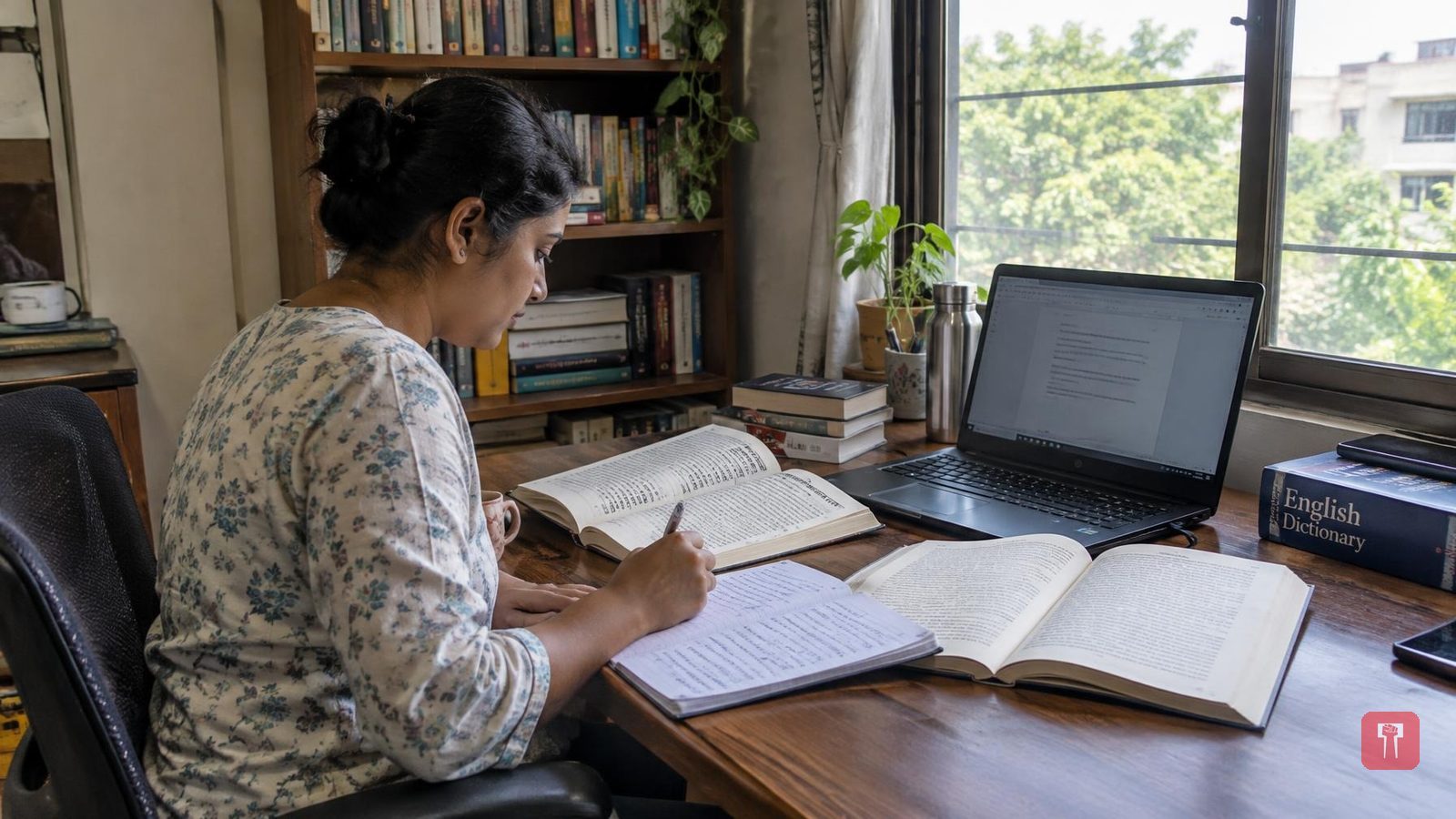
Thousands of languages are spoken in the world, and each has its own identity, beauty and history. When people or societies that speak different languages connect, translators and interpreters carry the message between them. International Translation Day is observed on September 30 every year to protect linguistic diversity, narrow the distance between cultures and promote dialogue across the world.
The tradition is tied to the memory of St Jerome, regarded as one of the earliest translators of the Bible into Latin and called the patron saint of translators. He died on September 30, 420. In memory of his historic contribution, and to honour the work of language professionals who close language gaps today, the United Nations formally declared September 30 International Translation Day on May 24, 2017.
Translation is not merely a matter of changing words. Many people think it means replacing a word in one language with the same word in another, but the reality is quite different. It is not just a mechanical or technical job but a subtle, sensitive and intellectual art. When a translator works on a book, a poem or an agreement, they must preserve the original author's thought, the feeling behind it, the local cultural context and the spirit of the original language. The real skill lies in delivering the message to a reader of the other language without doing the slightest harm to the original meaning.
In literature, without translators we would not be able to read Shakespeare's plays, the well-known novels of Leo Tolstoy or Dostoevsky, Rabindranath Tagore's Gitanjali or the Indian epics in other languages. Translators work day and night to bring the world's literature to us and to take our literature onto the world map. They take readers across language barriers and let them experience any culture.
Today's world has become a "global village". Translation has become vital in international trade, global politics, diplomacy and science. Whether it is a trade agreement between two countries, an essential World Health Organization guideline or peace talks at the United Nations, translators and interpreters present there bridge the gap in conversation in real time. Accurate translation can help avert major disputes and increase mutual cooperation.
Translation also contributes greatly to scientific and medical research. For a life-saving drug or technology discovered in one country to reach others, it must be translated correctly. In education too, translators work day and night to bring the world's knowledge to students in their mother tongue.
Today Google Translate and various AI tools can translate in a second. Even so, however far technology advances, the importance of human translators can never diminish. AI tools can translate words directly, but the ability to grasp human feeling, humour, sarcasm, cultural references and philosophical depth lies only in human understanding. This is why, even in the digital age, translation with a human touch is considered more reliable and alive.
International Translation Day is not only a celebration for language professionals. It inspires speakers of every language to take pride in their mother tongue and respect other languages. Promoting many languages builds peace, brotherhood and a spirit of inclusion in society. The day salutes all translators and language professionals who bring the world closer, ease the exchange of knowledge and join humanity through languages.
