

Pune family with mediclaim waits six hours for discharge as hospital and TPA dispute bill
 Images are not validated/verified
A Pune family says that despite a mediclaim policy, a disagreement between the hospital and the TPA over the bill delayed their daughter's discharge by six hours.
A Pune family says it took six hours to get discharged from hospital despite having a mediclaim policy. According to the family, the hospital and the third-party administrator (TPA) differed over the bill, and the burden fell on the patient's family. A woman from the family has described the episode herself.
She said her daughter was admitted with suspected dengue to Sahyadri Hospitals Momstory in Hadapsar. The estimate for four days of treatment was about Rs 75,000. The family says that for such an amount it expected at least basic care, but their floor had only one nurse and one support staffer (maushi), and calls for help sometimes got a late response. When she complained to the ward coordinator, she was told the hospital had a heavy rush of patients.
She also said the child had to be taken to the main building nearby for an X-ray of the nose. According to her, the ambulance van used for the transfer smelled foul. A grieving family was present at the door of the main building, and the child, seated in a wheelchair, was frightened by the atmosphere. Inside, the strong smell of medicines made both of them nauseous. After the X-ray there was more waiting, first for the door to clear and then for the ambulance. A larger vehicle came for the return trip, but it was in the same condition. She said they felt better only after reaching the room and vomiting.
The real trouble began on the day of discharge. According to the family, the visiting doctor arrived a little after 4 pm, checked all the parameters and allowed discharge. A nurse explained the medicines to be given to the child. The papers then went from the ward to the billing department, then to the hospital's insurance section and finally to the TPA.
The family's insurance adviser, Jimmy Surti, had said only Rs 16,141 would have to be paid. But the billing department asked for Rs 23,852. When the family asked, they were told the TPA had deducted some of the amount and the hospital could not bear that much of a burden. The family says this is a matter between the hospital and the insurer, and asks why the patient's family should pay for it. They were asked to wait in the room while the adviser kept making inquiries on the phone.
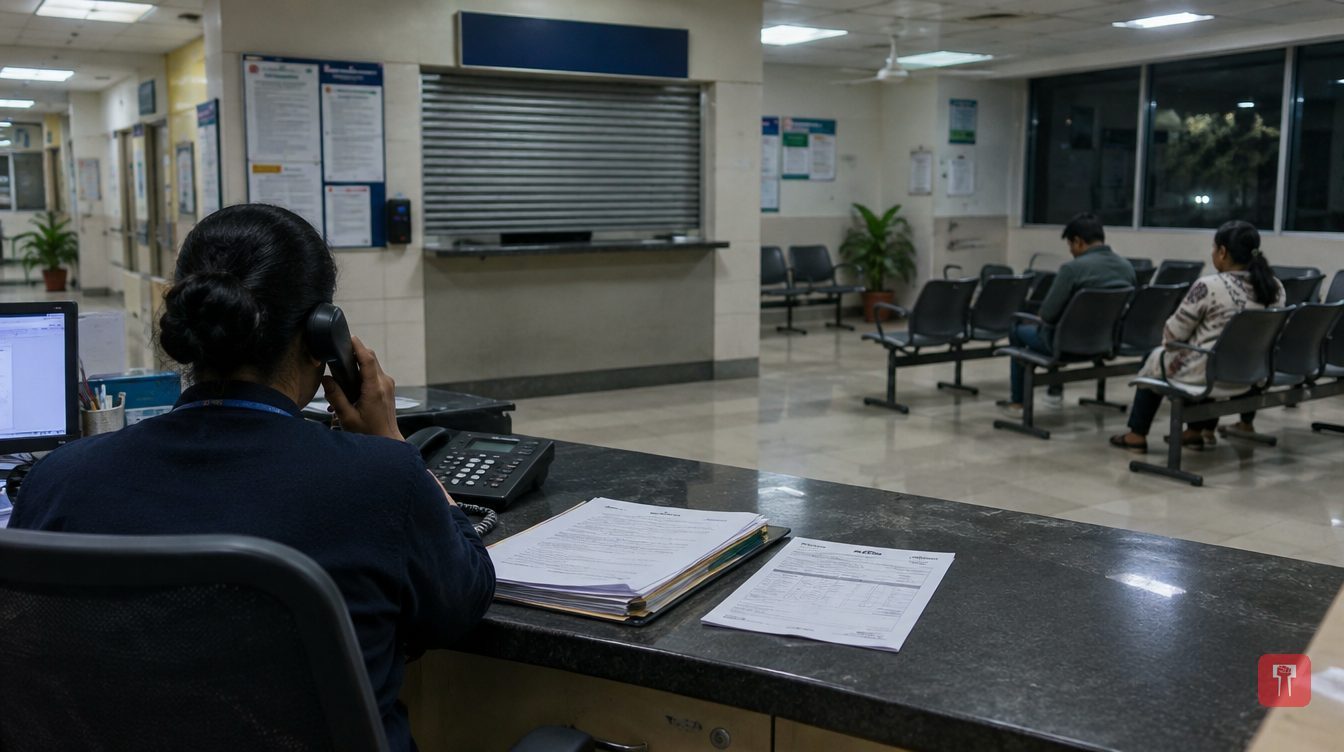
When there was no news for two hours, she went downstairs and found the billing and insurance sections locked. She was sent to reception, where she was told the matter was being sorted out. The receptionist kept making calls on her behalf but gave no timeline. By 10 pm her husband had also reached the hospital. The bill was finally settled at 10.15 pm, with help from the adviser, Kapilesh Myangde of the TPA, and the receptionist who coordinated with the billing and insurance staff.
According to the family, another family was in the same situation there. A rickshaw driver said he could not pay the difference amount. According to the receptionist, the TPA had approved a fixed amount and the rest had to be paid by the patient's father. The TPA said the hospital had levied several charges that are not covered under the policy.
When the family left the hospital at 11 pm, they had many questions. The writer asks why, despite insurance, patients are charged for items the TPA does not pay, and why a biomedical waste charge can be passed on to patients. She says disposal of this waste is the hospital's legal responsibility. She has demanded that the municipal corporation and the state government intervene, that hospitals publish itemised rate lists, that there be a clear timeline for discharge and claim settlement, that accountable staff be present at night too, and that a separate system be created for complaints.
Reach readers on the ward they actually live in.
Advertise with Prime Time 24Reach readers on the ward they actually live in.
Advertise with Prime Time 24Reach readers on the ward they actually live in.
Advertise with Prime Time 24Reach readers on the ward they actually live in.
Advertise with Prime Time 24
Comments
No comments yet. Be the first.