

Selling a used car or bike? What to know about RC transfer papers, fees and deadlines
Until the registration certificate is transferred, the seller can still be treated as the legal owner, so challans, dues and accident liability can come back to them.
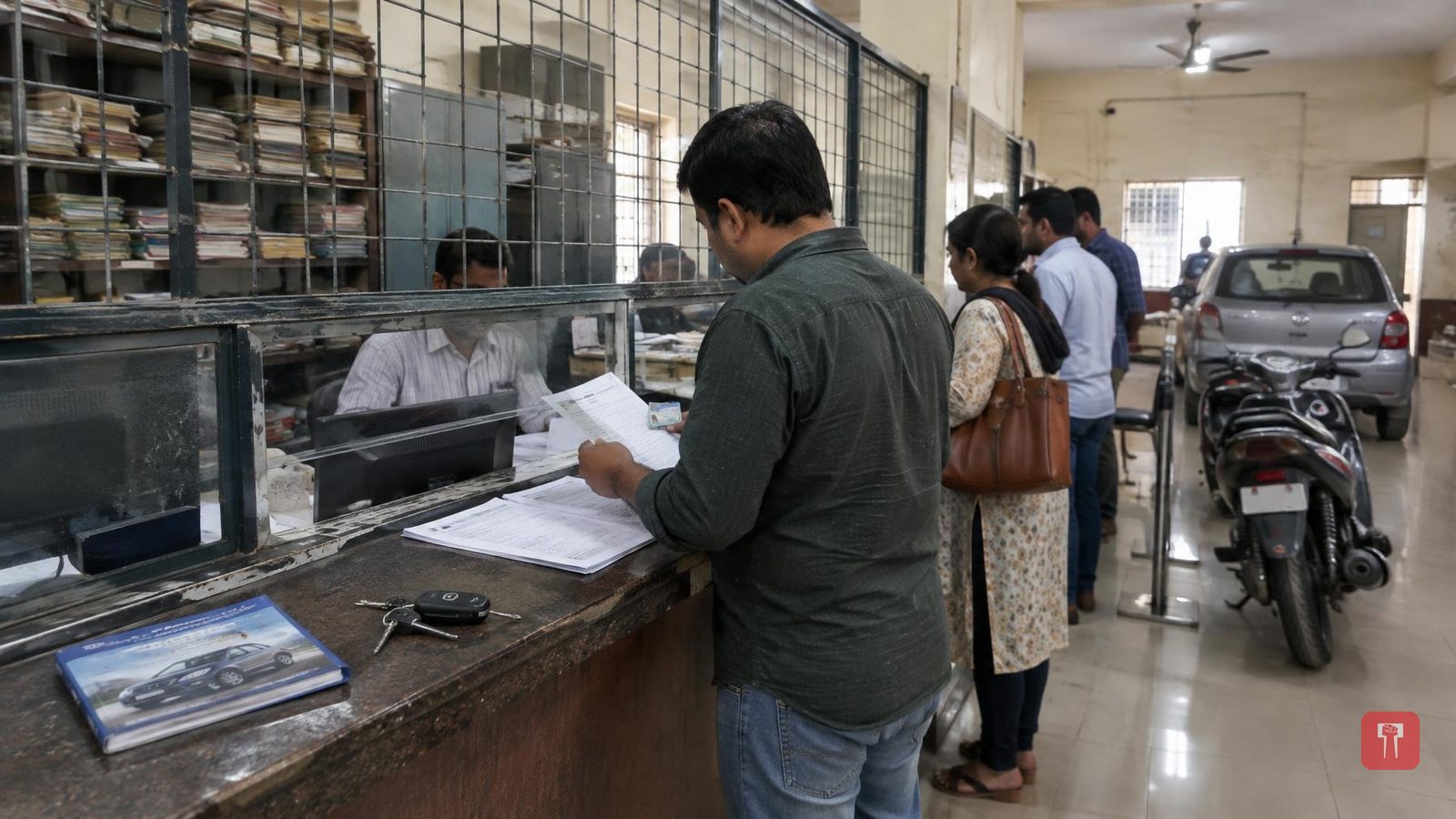 Images are not validated/verified
When buying a used car or bike, paying the money and taking the vehicle is not enough. The new owner's name must also be entered on the vehicle's registration certificate (RC). Until the RC transfer is complete, the old owner may be treated as the legal owner in government records. That can raise questions about responsibility for traffic challans, unpaid tax or accident-related liabilities after the sale.
What papers are needed for an RC transfer? To change ownership, the seller must fill Form 29 and give notice of the sale, while the buyer must apply for transfer of ownership through Form 30. The RC, a valid insurance certificate and any other documents sought by the concerned RTO have to be submitted along with these. Depending on state rules, a PUC certificate, proof of address, PAN card or Form 60 and other documents may also be asked for.
If the vehicle is registered in another state, a no-objection certificate (NOC) may be required. If the owner has died, Form 31 is used by the heir, and if the vehicle was bought at a public government auction, Form 32 may apply.
How much is the RC transfer fee? According to the guide, the basic fee for a regular RC transfer under central rules may be Rs 150 for a two-wheeler and Rs 300 for a private car. The actual cost, however, can vary with the type of vehicle, state rules, unpaid tax and other applicable charges. Check the latest fee with the concerned RTO or the transport department's portal before applying.
What is the deadline for applying? When ownership changes within the same state, the application is expected within 14 days. For a vehicle from another state, the period can be up to 45 days. A delay may attract an additional fee or penalty. Before selling a vehicle, outstanding challans and toll dues should be cleared, and it should be checked that any loan taken on the vehicle has been fully repaid. The insurer should be contacted to have the insurance transferred to the new owner's name.
How can the transfer be done online? Go to the transport department's Vahan portal, enter the vehicle number, complete the required verification and choose the "Transfer of Ownership" option. Fill in the details in the application and pay the applicable fee. In some states documents can be uploaded online, while in others a visit to the RTO is necessary.
Keep the application number and the fee receipt safe. If an agent is helping, do not sign blank forms and make sure to get an official receipt for every payment. Rules can differ by state and RTO, so it is advisable to check the latest information before applying.
