

Navratri fasting: doctors' advice for diabetes and high blood pressure patients
Doctors say foods eaten during fasts such as sabudana and potato can raise blood sugar, and long fasts can be unsafe for some diabetes patients.
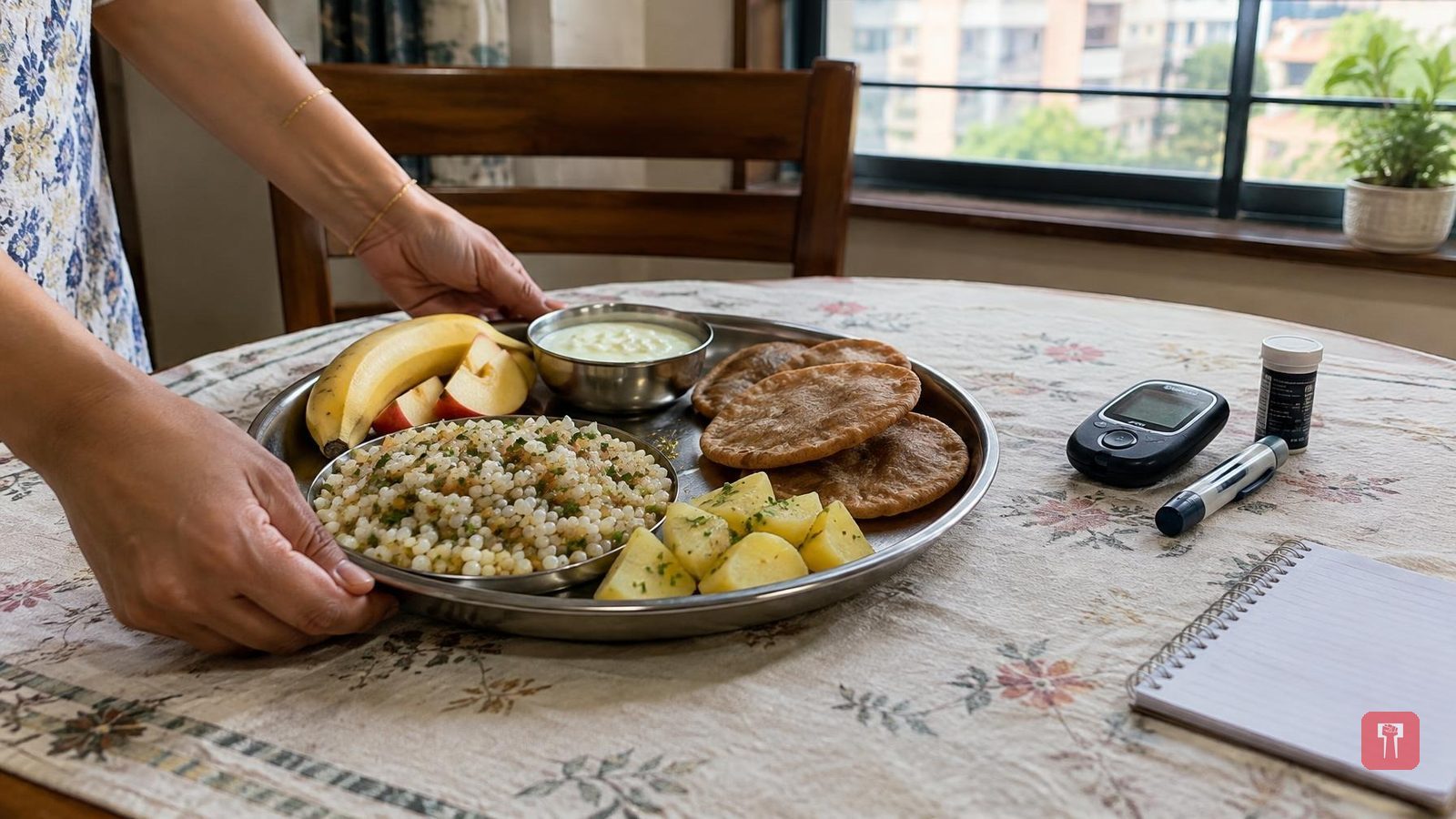 Images are not validated/verified
Shardiya Navratri has begun and many people are keeping a nine-day fast. It is said that, apart from its religious aspect, fasting is also good for health. But there is confusion over whether the foods eaten during a fast raise blood sugar. People often assume that almost everything eaten during a fast is good for health.
Diabetes patients often feel that food eaten during a fast does not raise blood sugar. Doctors say this is a misconception. According to them, items made from sabudana, potato, kuttu and singhara flour also contain carbohydrates, and eating them in large quantities can raise blood sugar.
Sabudana khichdi, potato and fried kuttu puris in particular should be eaten only in limited quantities. At the same time, fasting for long periods can also push blood sugar levels down in some patients. This can happen especially to patients who are taking insulin or certain drugs that lower sugar.
On what to keep in mind during a fast, it has been said that one should look not only at what one is eating but also at how much. A balanced diet of fruit, curd, cheese and fibre, drinking plenty of water and checking blood sugar regularly have been recommended. The timing and dose of medicines should be changed to suit a fast only after consulting a doctor.
According to experts, fasting for long periods is not safe for every diabetes patient. It is especially unsuitable for those who take insulin or drugs that lower blood sugar. In such cases the risk of hypoglycaemia can rise, a condition in which blood sugar falls very low. Going without food for long periods can also cause dehydration, or a shortage of water in the body.
If sugar levels fall during a fast in diabetes, symptoms such as weakness, sweating, dizziness, nervousness and confusion can appear. As for the effect of medicines, with some diabetes drugs and insulin, blood sugar can fall too far if food is restricted. People with Type 1 diabetes, those taking insulin, those whose sugar falls repeatedly, and those with kidney or heart disease should avoid fasting for long periods without medical advice.
This information is for general awareness only and does not claim any treatment. People have been advised to consult their doctor before trying any measure.
