

Caller's registered name to be part of CLI definition from November 1, DoT amends licence
The Department of Telecommunications has widened the definition of calling line identification to include the user's KYC-registered name alongside the number.
 Images are not validated/verified
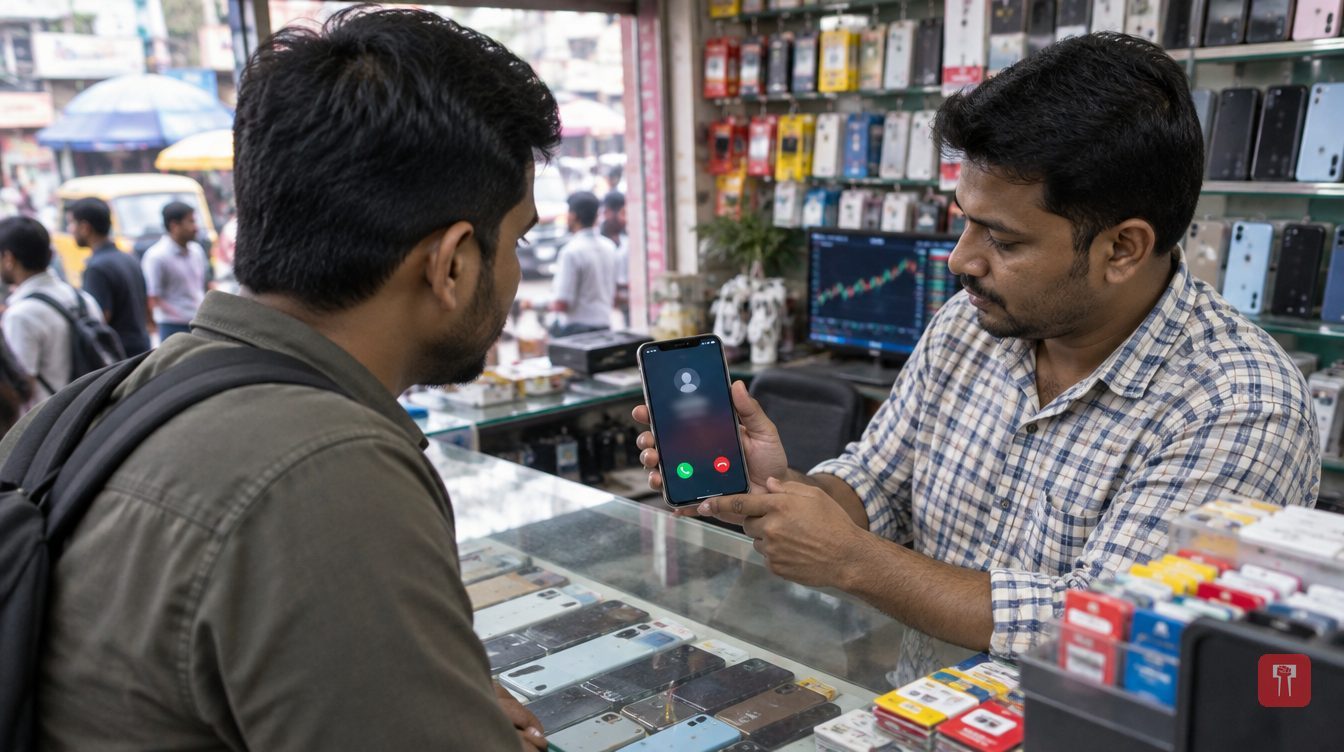
The way has opened for a caller's name, and not just the number, to appear on the phone when a call comes in. The Union government has taken the step to protect mobile subscribers from fake calls and fraud and to bring uniformity to the calling system. From November 1, the legal path is clear to bring in a system that identifies the caller by name, not only by mobile number.
The Department of Telecommunications (DoT) has taken a policy decision to make a fundamental change in the official definition of Calling Line Identification (CLI). Official orders amending the Unified License Agreement were issued on October 13, 2026. The changes will come into force everywhere from November 1, 2026.
Until now, CLI was understood mainly as the phone number from which a call is being made, or a limited identification of it. Under the revised definition, it now includes three identities. The first is the telecom identity, that is, the official identification number the calling user has received from the telecom company concerned. The second is the user's name, which is the real name recorded in the customer registration (KYC) documents held by the telecom company. The third is other identity, that is, any new identification the DoT may specify in future.
The biggest and most direct benefit to mobile users is that the identity of a caller will no longer be limited to a 10-digit mobile number. With the customer's official name included in the definition of calling line identification, the system for displaying a person's name on incoming calls will become stronger.
However, the order does not directly claim that it will be mandatory from November 1 for every call on every mobile phone to show a name. Clarification on how, with what technology and in which specific situations the name will be shown on the screen is likely to be given later in the order.
Showing the caller's real identity can go a long way in curbing the nuisance spam calls received daily and the fake calls of cyber fraudsters. However, the amendment does not announce any separate arrangement or penalty provision to stop spam calls for good or to prevent fraud.
The DoT has made these changes to the licence rules and conditions for all telecom companies providing services under the Unified License. The new definition comes into force on November 1, 2026. The government has made clear that all other terms and rules of the License Agreement remain as before.
The government has widened the scope of caller identification and now includes the registered name along with the number. This opens the way for a system that tells the caller's real identity directly at the network level, without relying on apps such as Truecaller, to become more capable in future.
