

World Cotton Day: why the crop is called 'white gold' and what its farmers face
World Cotton Day, marked every year on October 7, highlights the crop's role in economies, trade and the livelihoods of crores of farming families.
 Images are not validated/verified
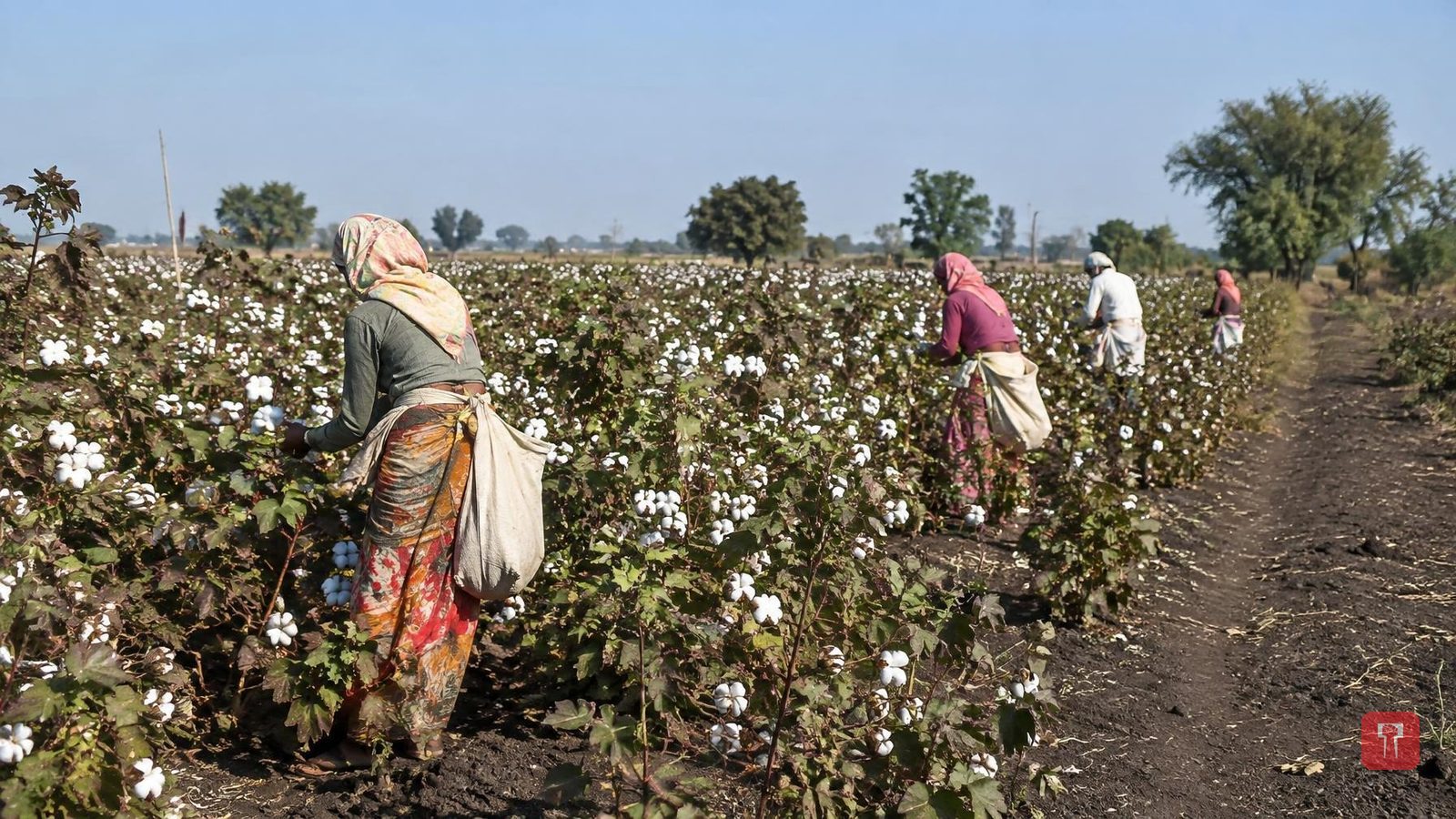
World Cotton Day is observed across the world on October 7 every year. Cotton is not used only to make cloth. It is a backbone of the global economy, of trade and of the livelihoods of crores of farming families. It is so useful and valuable that it is respectfully called "white gold".
The aim of the day is clear: to place the social and economic importance of cotton before the world, to honour the labour of cotton farmers, and to increase international cooperation to tackle the challenges facing the sector.
The day was begun in 2019. Four African countries, Benin, Burkina Faso, Chad and Mali, known as the "Cotton-4", proposed to the Food and Agriculture Organization (FAO) and the World Trade Organization (WTO) that a special day be declared for cotton. The proposal drew a good response from around the world, and the United Nations formally recognised October 7 as World Cotton Day. Since then, the day has become a way of bringing people from farming and industry onto one platform every year.
Cotton is not just a natural fibre. It is a crop no part of which goes waste. It is used mostly in spinning yarn and making cloth. Cottonseed yields edible oil, which is used in cooking and in various kinds of food processing. The cottonseed cake left after the oil is extracted is a highly nutritious, protein-rich fodder for cattle. In the medical sector, too, cotton is widely used in surgical cotton, bandages and many medicine-related products.
In an agrarian country such as India, cotton matters a great deal. India is among the world's largest producers and consumers of cotton. The rural economies of Maharashtra's Vidarbha and Marathwada, Gujarat, Telangana, Punjab and Rajasthan depend largely on the cotton crop. In Maharashtra in particular, the black, fertile soil (regur soil) gives a bumper cotton yield. Lakhs of farmers, farm labourers, ginning mill workers and textile industry employees depend on this white gold to keep their kitchen fires burning.
Cotton farming today faces several challenges in a changing climate. Unseasonal rain, pest attacks (especially the bollworm), rising costs and fluctuating market prices put cotton farmers in difficulty. In this situation, World Cotton Day carries the message of growing organic cotton and adopting sustainable agriculture. Using less water, applying chemical fertiliser in a controlled manner and rotating crops properly to preserve the soil's fertility have become the need of the hour.
Demand for organic cotton is rising rapidly around the world, as consumers now prefer eco-friendly clothing that is also good for the skin. On this international day, the world community commits to helping cotton farmers get the right markets, modern technology and fair prices. Securing the future of cotton means not just saving one crop but giving economic stability to the crores of people connected with it.
