

What happens if reverse gear is engaged in a moving car, and how much it can damage the gearbox
Engaging reverse in a moving manual car can damage the gearbox, and automatics are not safe from harm either, so always stop fully first.
 Images are not validated/verified
Many households now own a car, and using and maintaining it properly is just as important. Changing gears is routine while driving. But have you ever wondered what would happen if reverse gear were engaged by mistake while the car is moving? The answer depends on the type of transmission the vehicle has. If you make this mistake too, be careful in time.
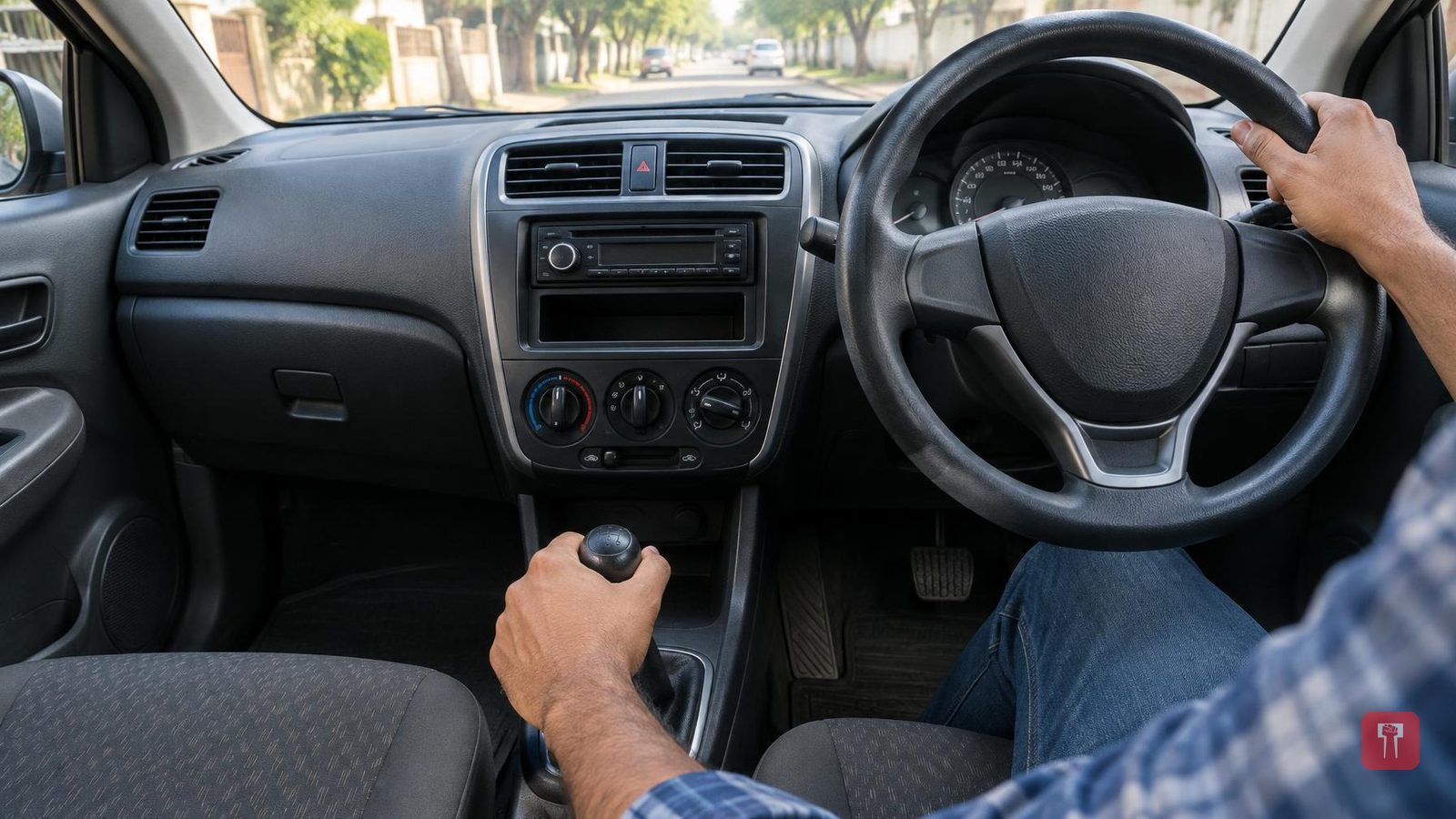
First, the manual car. Reverse gear is generally meant to be engaged only after the vehicle has come to a complete stop. If the car is moving forward and you try to put it in reverse, the gear will not engage easily. Clunking and grinding sounds may also come from the gearbox. This is because parts inside the gearbox are spinning while the car moves forward, and the direction of reverse gear does not match theirs.
If you force the gear change and release the clutch, the gear and other parts of the transmission can be damaged. This can lead to heavy repair bills. In a manual car, the gear can also get stuck.
Now the automatic car. It often has an electronic system that prevents reverse from being engaged while the vehicle is moving. In such cases, even if the gear lever is moved to "R", the gearbox will not go into reverse. Many modern automatic cars have such electronic protection.
This does not mean it is safe to do so. The feature is not the same in every car, and how it works can vary by model. If reverse gets engaged in the gearbox or the system develops a fault, the transmission can be damaged. In some situations, wrongly changing gears can also jolt the vehicle. It is therefore not right to assume that nothing will go wrong if reverse is selected in an automatic car. It is important to follow the instructions in the car's owner's manual.
Can reverse gear be used to stop a moving car? The answer is no. Reverse gear should not be used to stop a speeding car. Doing so will not stop the car quickly and safely; instead, it can put strain on the gearbox and upset the vehicle's balance.
To stop the car, take your foot off the accelerator and apply the brake. Before engaging reverse, bring the vehicle to a complete stop, keep the brake pressed and then change gear. The manuals of some cars also advise pausing in neutral for a few seconds before engaging reverse.
If reverse gear is engaged by mistake while driving and you notice a strange noise or a jolt, stop at a safe place. If needed, have the car checked at a service centre.
