

Why Navratri is called Navratri: the significance of nine nights of stillness and sadhana
Shardiya Navratri 2026 begins on October 11, and the name points to the nine nights, which are held to favour worship, meditation and mantra chanting.
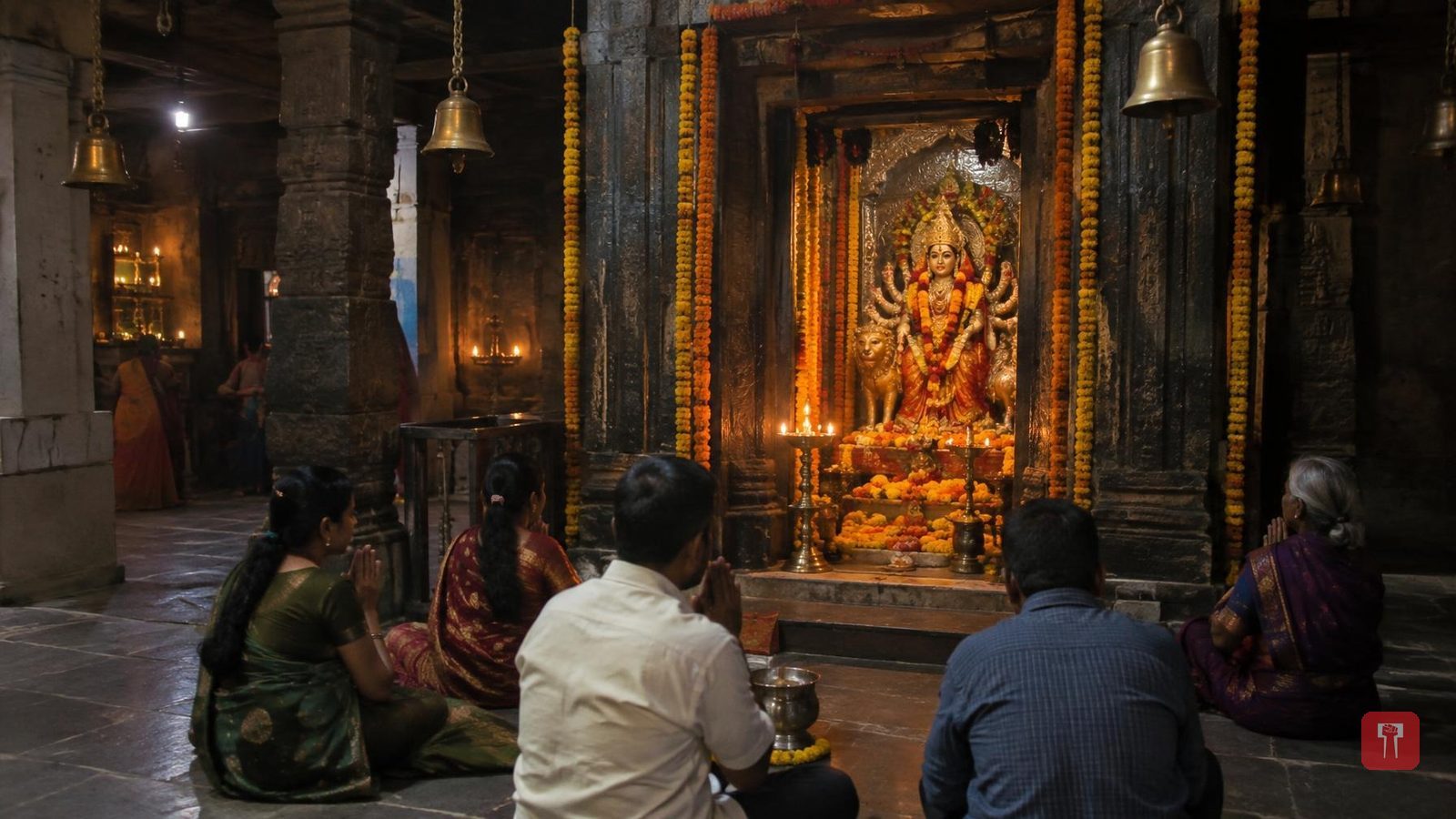
Shardiya Navratri in 2026 begins on October 11. For nine days the goddess is hailed. Devotees visit her temples through the day, offer prayers, play garba and hold jagrans, or night vigils. But why is the festival called Navratri, which means nine nights, and not nine days? There is a reason behind the word that many people do not know.
It is said that people work and rush about all day and sleep peacefully at night, waking refreshed in the morning. Navratri is similar: it is meant to give rest to the soul.
The scriptures say the energy of the universe is most powerful at night, and that the goddess's power is greater on earth at this time. For this reason, worship, chanting and meditation at night are believed to take effect sooner than those done by day. The seeker is said to be connected directly with the goddess. This is why garba, jagran and mantra recitation are held at night during Navratri.
Night does not mean only darkness; it also means rest. After the day's rush, the night brings calm. In spirituality, the meaning of night is described as deeper still. Amid office, mobile phones and people, the mind wanders outward. In the stillness of night, one looks within, and that is true sadhana. Sitting quietly to recite mantras and meditate is better done at night. That is why night-time practice is given the highest rank.
These nine nights are said to be no ordinary nights. A distinct energy is believed to move through the atmosphere, and the goddess's feminine energy is very active. By day the sun's energy is very strong, whereas at night there is no sun, so the atmosphere turns sattvic and calm. This is considered the best time for a seeker, because in this calm the goddess's energy enters within more quickly.
For this reason, prominent tantriks and sadhus wait for these nine nights all year. It is believed that any sadhana or mantra siddhi performed during this period yields a hundredfold result. The quiet and solitude of night are ideal for secret sadhana.
Navratri teaches that real strength lies not in the noise outside but in the peace within. All day we search outside, but when we sit quietly at night, the goddess is found within. It is believed that if worship and meditation are done sincerely during these nine nights, a person's spiritual progress is very rapid, wishes of the heart are fulfilled and the goddess's grace is received. That is why it is called Navratri and not nine days: it is a play of the night, of rest and of rediscovering oneself.
