

Poland's foreign minister hits out at Musk after Starlink speed drop during Ukraine military drill
Ukrainian officials say Starlink speeds were cut sharply without notice during an exercise; Radoslaw Sikorski asked if Elon Musk was politicising his technology again.
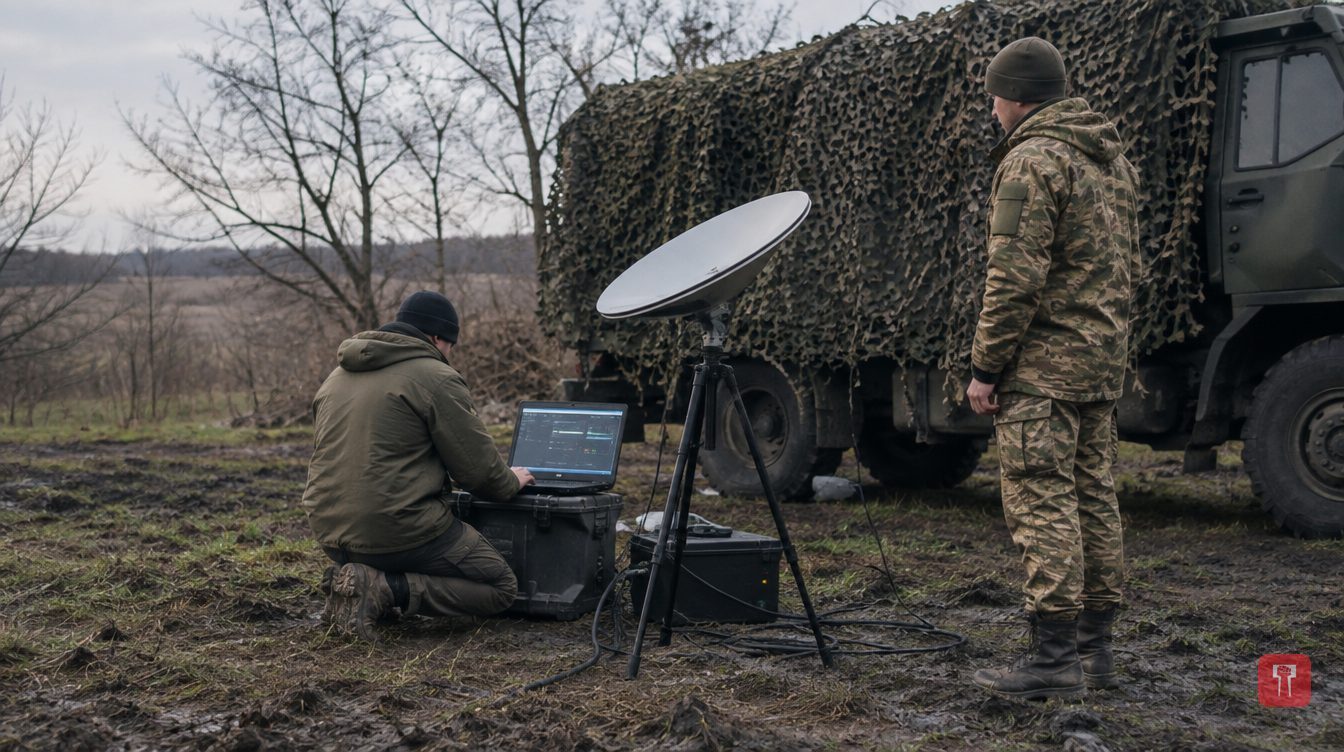 Images are not validated/verified
Billionaire industrialist Elon Musk and his satellite internet company Starlink are caught in a major international controversy. A few days ago, Musk had stirred a row by levelling serious allegations against the Union government and the Reliance Group over the launch of satellite internet services in India. Now Musk and his company SpaceX face a fresh crisis.
According to Ukrainian military officials, the Ukrainian army was conducting an important military exercise on the night of October 13-14. During that time, Starlink internet speed was suddenly cut sharply. Serhiy Beskrestnov, technical adviser to Ukrainian President Volodymyr Zelenskyy, expressed strong displeasure. He said the company gave Ukraine no prior notice of the change.
The slowdown mainly affected the control of medium-range strike drones, interceptor systems, the supply of military logistics and live surveillance systems. A loss of connectivity on the battlefield could have caused the Ukrainian army heavy losses.
Following the incident, not only Ukraine but also Poland, its main ally in Europe, has taken a hard line. Poland's Deputy Prime Minister and Foreign Minister Radoslaw Sikorski directly targeted Musk on social media. Sikorski asked whether Musk was once again politicising his products and technology. He also warned that all European countries and international customers were watching these developments closely.
Since the start of the war, the Polish government has been paying the bill for the Starlink internet subscription used by Ukraine. The Polish foreign minister's concern is therefore being seen as well founded and serious. The question being raised is how reliable a foreign private company can be in an emergency or war if a country's entire military communication system depends on it. If internet access can be switched off or slowed with one click through a sudden change in service terms, does that not pose a grave threat to a country's sovereignty and security, it is being asked angrily.
Musk has also given an explanation after the row. According to Musk's claim, Starshield, the special satellite network built for military use, is under the direct control of the US government. Musk claims that decisions to reduce internet speed or set usage limits are taken by the US military. He has held the US President directly responsible for this. However, the American administration or the Pentagon has so far issued no official public explanation of who imposed these restrictions, why, and under what circumstances.
Some arguments are also being made in Musk's support. Supporters say SpaceX is a private commercial company and is not legally bound to accept every military demand or offensive policy of Ukraine. According to them, in the very difficult early phase of the war, when Russia attacked and destroyed all of Ukraine's conventional telecom networks, it was Starlink that kept communications alive by giving Ukraine free internet. It is therefore argued that the company has the right to set limits on how its technology is used in war.
The issue is no longer confined to Musk and Ukraine. It has raised a big question mark over the technological self-reliance of the European Union and other developing countries. Experts expect European countries could move quickly towards building their own satellite network. In India and other countries too, fresh discussion has begun on how strict the security and local-control rules should be when approving satellite internet.
