

Nagpur police to allocate staff by data on crime, workload and emergency calls, says Commissioner
Commissioner Vishwas Nangare Patil says manpower and vehicles will go to stations on the basis of 19 parameters, as the city moves to a Mumbai-style urban policing model.
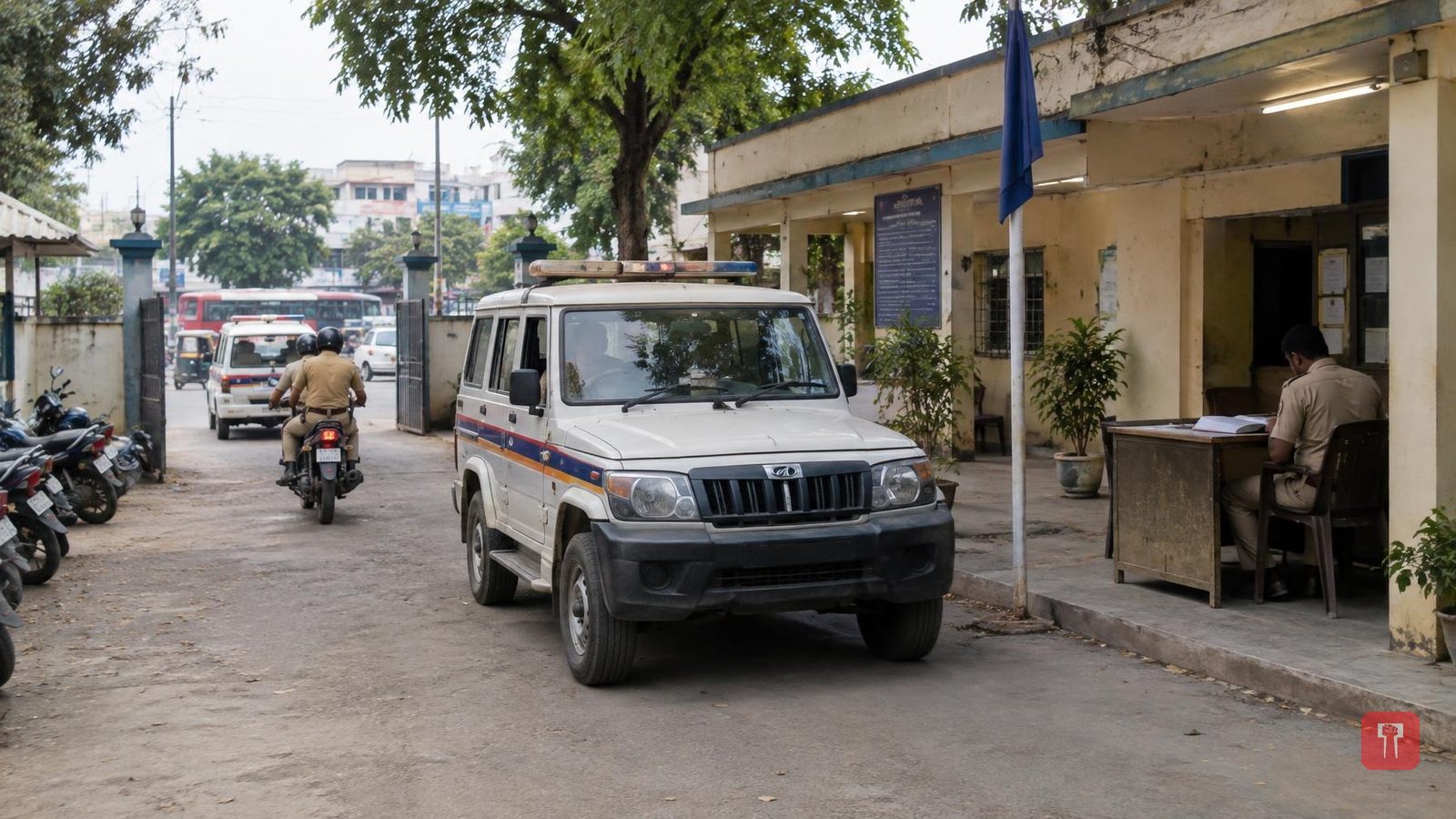 Images are not validated/verified
Policing in Nagpur is moving away from the old way of working towards one based on the volume of crime, workload and actual need. Data has been collected separately for every police station in the city on 19 parameters, including the crime situation, preventive action, emergency calls and available manpower.
On the basis of this data, it will be decided which police station needs additional personnel, vehicles and other resources. Police Commissioner Vishwas Nangare Patil shared the details on Thursday at the "Meet the Press" programme. He said resources would be distributed according to the actual workload rather than giving all stations the same strength.
He gave an example. About 683 emergency calls a month come in on 112 from the Hudkeshwar police station limits, against about 110 at Bajajnagar police station. It would therefore not be right to give both stations the same manpower, he said. Urban policing is being reorganised in Nagpur, keeping in mind the city's geography and the nature of its crimes.
As in Mumbai, the plan is to divide the various responsibilities at a police station among the senior police inspector, the second police inspector and the assistant police inspector. The conviction rate is comparatively high in POCSO and Motor Vehicles Act cases. Nangare Patil said raising it in other serious crimes is also a priority for the police. For this, the focus is on identifying cases with a higher chance of conviction and improving the quality of investigation.
A process has begun to assign responsibilities after considering the education and skills of personnel. In the Economic Offences Wing, those with a commerce background will get preference, while in cyber crime investigation those who have studied computer science and BCA will be preferred. The emphasis will be on personnel working consistently in one field so that they become experts in it. Twelve Nirbhaya squads, led by women officers, are working for women's safety. There is also a plan to give busy stations additional manpower as needed.
A study of house-break-in and vehicle theft cases showed that criminals are most active between 3 am and 5 am. Police patrolling will therefore be made more effective during these hours. Police assistance groups will be formed in residential areas, and local security guards will be linked to the system. At station level, the responsibilities of crime police inspectors and sub-inspectors will also be defined along with those of the senior police inspector, to strengthen patrolling and investigation. To strengthen beat policing, mobile tracking devices are being fitted to 130 patrol units in the city. This will allow the movements of the units and their actual presence in an area to be monitored.
The commissioner said police action alone is not the answer to growing traffic congestion. A comprehensive traffic plan is needed, based on a scientific study of the city's traffic system with the help of traffic engineers, architects and town planning experts. He said he had tried such an approach while working in Nashik. Work is also under way in Nagpur on coordinating traffic signals. If all signals are properly linked, it will help ease traffic stress. He also said action against traffic rule violators would be made more effective through CCTV.
