

Gen Z at work: 10 habits putting mental peace ahead of the office grind
From micro breaks to hybrid work, young employees are reshaping office culture by refusing to trade mental peace or personal life for a salary.
 Images are not validated/verified
The way people work in corporate offices has changed considerably in recent years. There was a time when sitting at one's desk without moving from 9 am to 6 pm was considered a sign of honesty. That is no longer so. People used to the old work culture may be surprised by today's trends. Step into a modern office and one sees a different energy and a new kind of culture. The young generation, Gen Z, is leading this new work culture.
Young Gen Z employees are not ready to pay for a salary with their mental peace or personal life. They see work as only one part of life, and mental peace matters as much to them as productivity. The most talked-about idea in Gen Z office culture is "micro breaks". Older managers see these as shirking work, but today's young employees treat them as a way to recharge. Instead of sitting in front of a screen for hours, a short walk, some stretching or a chat with friends over coffee is essential for them.
The new generation is very clear about work. It believes not in "counting hours" but in "smart work". This approach is laying the foundation for a big change in the corporate world, where fresh debates have begun between seniors and juniors over work culture. Here are 10 habits of Gen Z office culture that are being talked about everywhere.
The first habit is the craze for micro breaks. Gen Z does not like sitting glued to a chair for hours. Young employees take a short break every 45 to 60 minutes, sometimes to drink water and sometimes to walk a little. They believe this helps improve focus and creativity.
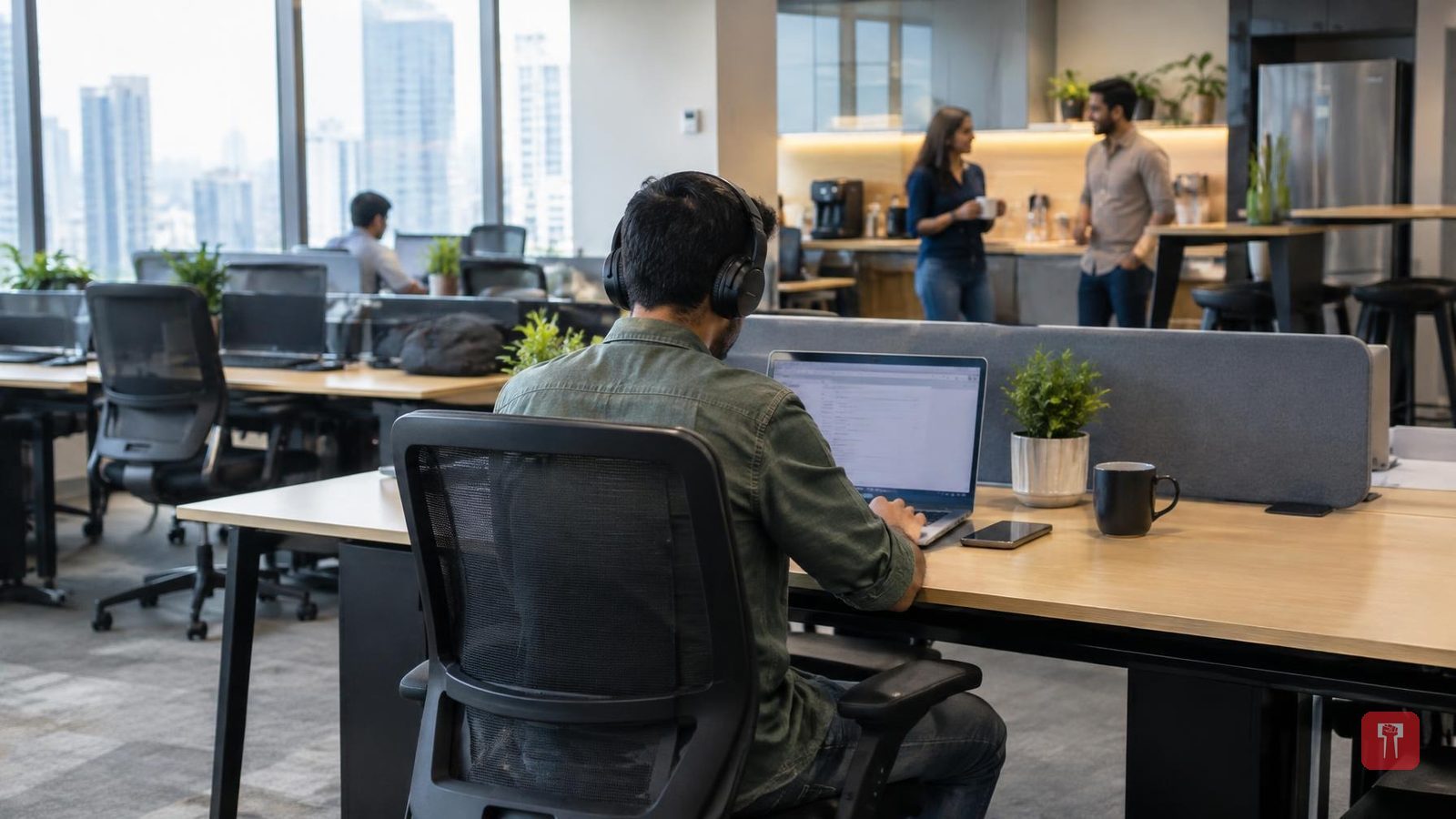
The second habit is the "do not disturb" headphone culture. Working with large headphones over the ears has become a Gen Z trademark. It keeps them away from office noise, absorbed in their own work, and improves their focus. It is also a smart way to avoid unwanted conversation.
The third habit is the work-life boundary, the line between work and personal life. Unlike older employees, Gen Z does not favour answering the boss's phone calls or messages immediately after office hours. For them, work ends as evening comes, and they give their time to personal life or hobbies.
The fourth habit is that mental health comes first. Today's young generation does not compromise on mental well-being. If a day feels too stressful, they speak openly about taking a "mental health day" or leave, something older generations often dismissed as an excuse.
The fifth habit is direct and clear communication. Instead of office politics or beating around the bush, the Gen Z generation prefers to speak plainly. Voicing opinions in meetings without fear and asking seniors questions openly is part of their nature.
The sixth habit is keeping away from a formal dress code. The era of ties and suits is receding. Gen Z prefers to come to the office in casual, comfortable and trendy clothes, which helps them feel relaxed at the workplace.
The seventh habit is personalising the desk. A Gen Z work desk is not only a place for a laptop. They like to keep plants, a favourite coffee mug, motivational quotes or minimalist decorations on the table, which make the office feel comfortable.
The eighth habit is the growing concept of "work besties". To ease office stress, Gen Z forms a strong group of close friends, or "work besties". Sharing lunch and joking with them is the best part of their day.
The ninth habit is the desire for feedback and praise. Young employees of the new generation do not work merely for the sake of working. They want immediate feedback and approval on their work. If their good work is praised, their enthusiasm doubles.
The tenth habit is a preference for hybrid and remote working. Gen Z prefers companies that offer work from home or a hybrid model. They are strongly against wasting time in traffic and on the commute to the office.
