

Nagpur collector bans new borewell digging across district until further orders amid rain deficit
Citing poor rainfall and falling reservoir levels, the district administration has barred new borewells and deepening of existing ones under the Disaster Management Act.
 Images are not validated/verified
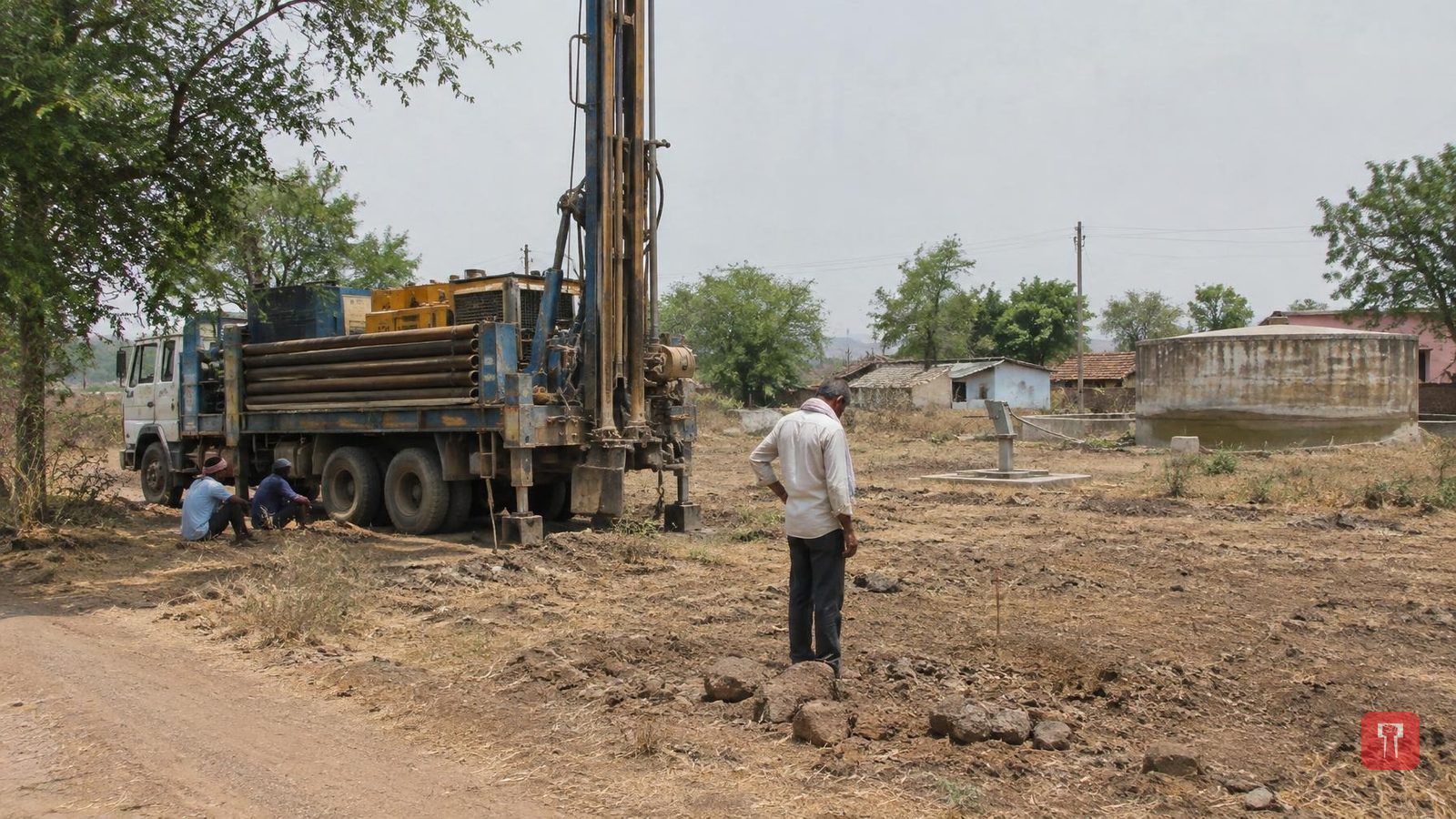
The Nagpur district administration has banned the digging of borewells, as rainfall has been low this year and water stocks in reservoirs are declining. The administration fears the water crisis could deepen in the coming days.
The order was issued by Kumar Ashirwad, the District Magistrate and chairman of the District Disaster Management Authority, under the Disaster Management Act, 2005. The ban has come into force with immediate effect and will remain until further orders.
The administration said the aim is to protect groundwater sources, reduce additional pressure on drinking water sources and prevent the water shortage from becoming severe later. The order applies across the district's urban and rural areas.
Under the order, no new borewell can be dug anywhere in the district. Deepening of existing borewells is also prohibited. However, no direction has been given to stop the regular use of borewells already in operation.
The rule applies to private individuals, farmers, housing societies, builders, industries, commercial establishments and institutions. Contractors, rig owners and machine operators engaged in borewell drilling must also comply.
Borewell drilling by government agencies is exempt from the ban. Such work is undertaken to address water scarcity and ensure the availability of public drinking water. Work of this kind carried out by contractors under a government work order is also exempt.
However, these agencies must keep with them the government work order, the administrative sanction of the competent authority and documents showing that the work is linked to relief from the water crisis. The work must comply with groundwater laws, technical standards and safety rules.
To enforce the order effectively, sub-divisional officers have been given the responsibility of monitoring their areas. They have been directed to coordinate with tehsildars, the police department, local self-government bodies and the Groundwater Surveys and Development Agency, inspect sites and stop prohibited drilling. Action will be taken against those who violate the order or obstruct its enforcement.
