

Blood-test technology to find cancer cells showcased at ACTREC conference in Navi Mumbai
Actorius Innovations and Research presented OncoDiscover, which detects cancer cells in blood, and NGS-based tests at the CAMO 2026 conference.
 Images are not validated/verified
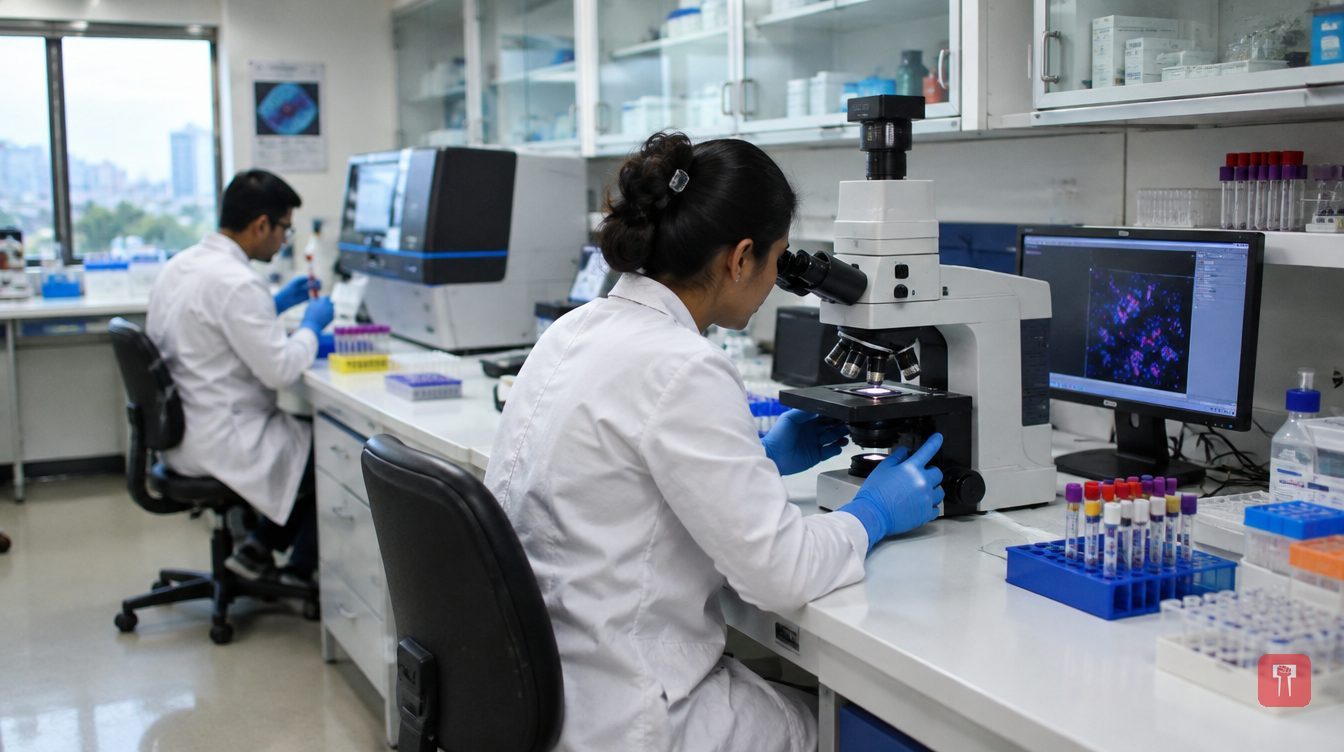
A new technology based on blood samples could help check more accurately how cancer is diagnosed, how effective treatment is and how likely the disease is to return. The international scientific conference "CAMO 2026" was held at the Advanced Centre for Treatment, Research and Education in Cancer (ACTREC) of the Tata Memorial Centre in Navi Mumbai. At the conference, Actorius Innovations and Research presented a technology called OncoDiscover, which detects cancer cells in the blood. The company also showcased tests based on next-generation sequencing (NGS).
Used together, the two technologies can provide information on cancer-related cells and genetic changes. This can help make treatment planning more effective.
The company's NGS tests allow a detailed analysis of cancer-related genetic changes. They can help choose the right treatment according to the nature of a patient's disease, monitor changes in the disease while treatment is under way, and look for signs of whether some cancer cells remain after treatment. The tests analyse the genetic components ct-DNA, g-DNA and RNA.
The company said OncoDiscover can detect cancer cells present in very small numbers in the blood and also count them. It uses a fluorescence microscope along with a special technology for this. When used with genetic tests, the technology can provide complementary information about cancer cells and the genetic changes linked to them.
OncoDiscover has been developed under the guidance of Dr Jayant Khandare. It has received approval from the Central Drugs Standard Control Organisation. The company claims it is the first and only approved medical test in India to detect cancer cells from a simple blood sample. The company also noted that the technology can be used for more than 15 types of solid cancers.
Prof Klaus Pantel and Prof Catherine Alix-Panabieres, international experts in liquid biopsy, underlined at the conference the importance of using the two technologies together. Prof Pantel said research on cancer cells had been used to develop technology that has received regulatory approval. Prof Alix-Panabieres said there is an opportunity to use the information from OncoDiscover and NGS tests more effectively in routine cancer treatment.
Dr Khandare said that even when cancer is not visible on medical imaging tests, some cancer cells or genetic signals may remain in the blood. Detecting such cells and monitoring them can be important in understanding the risk of the disease returning or spreading to other parts of the body.
Dr Khandare and Aravindan Vasudevan founded Actorius in 2013. The company works on developing technology to detect cancer-related biological signals in the blood. A system called OncoDiscover Metastat is currently at the research stage.
The conference, held in collaboration with ACTREC, gave doctors and researchers a platform. Participants discussed what new possibilities could arise, from cancer diagnosis to monitoring treatment, if cell testing based on blood samples and genetic tests are used together.

Comments
No comments yet. Be the first.