

Ebola outbreak widens in Congo, with over 10,000 cases and 4,887 deaths
The Bundibugyo-strain outbreak in the Democratic Republic of Congo has recorded 10,060 cases, and patients have also been found in Kenya and Nigeria.
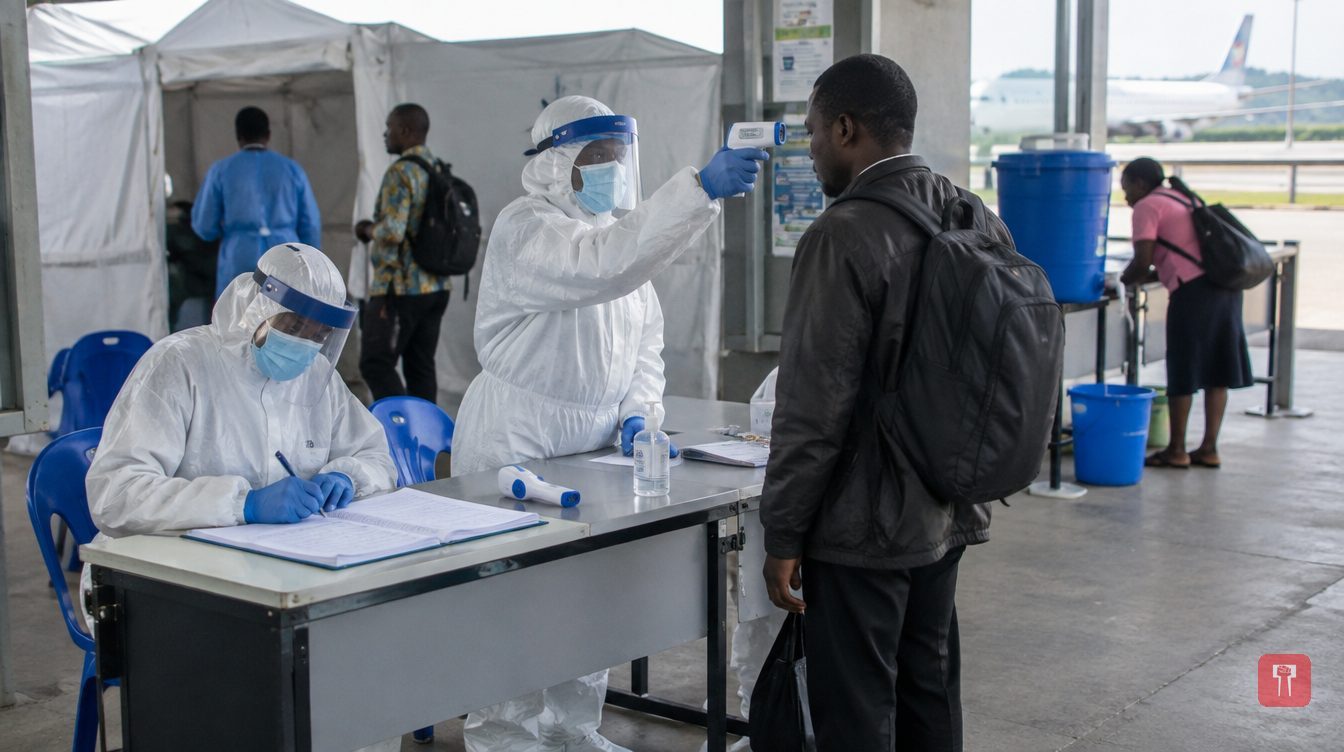 Images are not validated/verified
The Ebola outbreak in the Democratic Republic of Congo has turned serious. The infection is spreading faster, and the number of people affected has crossed 10,000. According to figures available on October 27, the country has so far recorded 10,060 cases and 4,887 deaths. The outbreak is caused by the Bundibugyo strain of the Ebola virus.
The infection began in May 2026 and has now reached other African countries. Cases found in Kenya and Nigeria have raised concern among health authorities there. This is the largest Ebola outbreak Congo has seen so far, and it has also recorded the highest number of deaths.
The disease has spread over a wide area. Infections have been recorded in 66 health zones across eight provinces. Ituri is the worst-affected province, and North Kivu has also reported a large number of cases.
Health facilities are inadequate in many areas, making it difficult for patients to get timely treatment. It has also emerged that many patients die before reaching hospital. Identifying infections and getting patients treated urgently has therefore become a major challenge for health authorities.
The outbreak, once confined to Congo, has become a matter of international concern. A person who had travelled from Congo carried Ebola to Kenya, where nine cases and two deaths have been recorded. Nigeria has also found one case linked to travel through Congo and Uganda.
African countries have as a result stepped up screening at airports, border areas and health centres. The emphasis is on isolating suspected patients, tracing their contacts and laboratory testing.
Health workers engaged in Ebola control face a security problem as well as a medical one. In Tshopo province in eastern Congo, a nurse died in an attack during an Ebola screening drive, and another health worker was seriously injured. Fear among local people, misunderstandings and distrust of the health system have made it harder to carry out preventive measures.
There is currently no officially approved specific vaccine or treatment for the Bundibugyo strain. Early identification of patients, isolating them and proper medical care have therefore become more important. Health authorities in Africa and the World Health Organization are trying to contain the infection. However, given the rising number of cases and the death rate, bringing the crisis under control remains a major challenge.

Comments
No comments yet. Be the first.