

India backs peaceful use of nuclear technology at UN General Assembly; several nations thank it for aid
India told the UN General Assembly that nuclear science must serve the world, especially developing nations, and several countries thanked it for its development assistance.
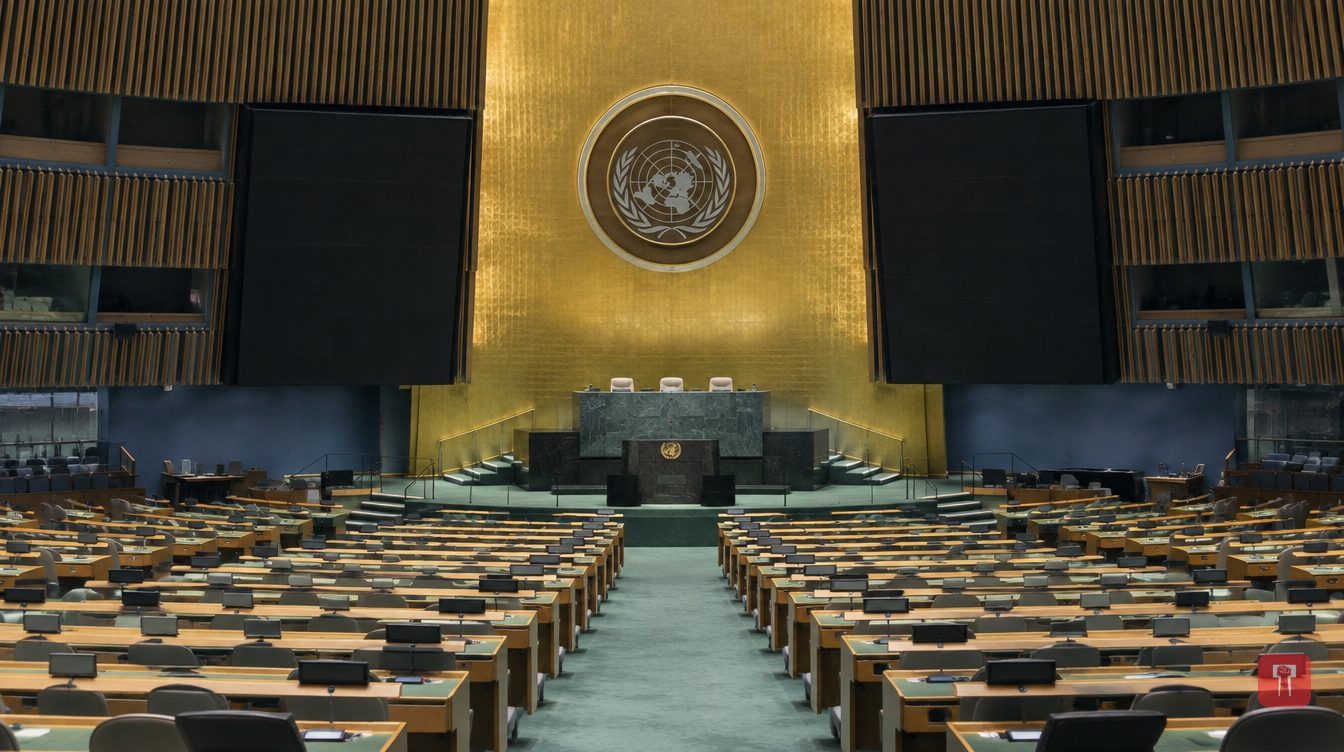 Images are not validated/verified
India has once again made it clear at the United Nations General Assembly (UNGA2026) that it will not use nuclear science and technology only for its own progress. India says the use should be for the good of the whole world, especially developing countries, and along the path of peace. The Indian delegation also said India fully supports the role of the International Atomic Energy Agency (IAEA) in achieving sustainable development and building human capacity. Many countries, big and small, across the world have openly thanked India for this stand and its help.
Sangeeta Kumari Singh Deo, MP, who heads the Indian parliamentary delegation, presented India's official position at the Assembly. In her speech she said the IAEA plays a very important role in promoting the safe and peaceful use of nuclear science in member states. She said the agency's initiatives in strengthening institutional capacity, building legal and regulatory frameworks and giving needy countries proper technical guidance deserve praise.
India reiterated its support for the IAEA's Technical Cooperation Programme. In an official post on X, the Indian mission to the UN said India has always stressed global peace and equitable sharing of technology. India's policy holds that nuclear power should be used not for destruction but for human health, agriculture, energy security and protection of the environment.
India's success and self-reliance in nuclear technology are now praised around the world. Whether it is the success at the 500 MW Prototype Fast Breeder Reactor (PFBR) at Kalpakkam in Tamil Nadu or the safe power generation of the Nuclear Power Corporation of India Limited (NPCIL), India's safety record has been among the best in the world. On the strength of this technical capacity, India is now taking the lead internationally on South-South Cooperation.
Medical research is a good example of the peaceful use of nuclear science. Through the Tata Memorial Centre (TMC), India has given free cancer care training to medical experts from BIMSTEC countries, namely Bangladesh, Bhutan, Nepal and Myanmar. Making the detection and treatment of cancer easier through nuclear energy is a direct example of India's "Neighbourhood First" and "Vishwabandhu" policies.
The ninth annual event of the India-UN Development Partnership Fund was held on October 22. Many developing and island countries from around the world openly praised the development aid and financial assistance they have received from India. Through this $150 million fund, started in 2017, India is providing support in Global South countries for roads, infrastructure, digital health, education and tackling climate change.
Moldova's Permanent Representative to the UN, Ambassador Jorge Luca, said, "At a time when development funds are under pressure around the world, India's steady and unconditional help sends a very positive message. India's cooperation rests on mutual respect and our national needs."
Micronesia's ambassador, Jeem Lipwe, said India has helped set up a solar energy project at the president's residence and office. According to him, India is doing truly commendable work for a clean and green future. Sri Lanka's ambassador Jayanatha Jayasuriya and Tanzania's representative Togolani Edriss Mavura also warmly thanked India for its many sustainable development projects and for assistance tailored to regional needs. Laos's ambassador Thongphane Savanhet saluted India's leadership in bringing developing countries together and building their capacity.
At the 81st session of the UN General Assembly, it became clear that India is not advancing only itself but is taking its knowledge and technology to the last person in the world. Through the safe use of nuclear power, the promotion of solar energy to fight climate change and the expansion of health services worldwide, India is proving its "Vishwabandhu" role right. Representatives of various countries expressed confidence that India's technical and diplomatic cooperation will grow stronger in the coming time and give global peace and development a new direction.

Comments
No comments yet. Be the first.