

17-year-old gets first successful heart transplant at Mumbai's Wadia children's hospital
Tanmay Shinde, 17, of Navi Mumbai received a donor heart at Bai Jerbai Wadia Hospital for Children after a green corridor brought it from Mulund in 25 minutes.
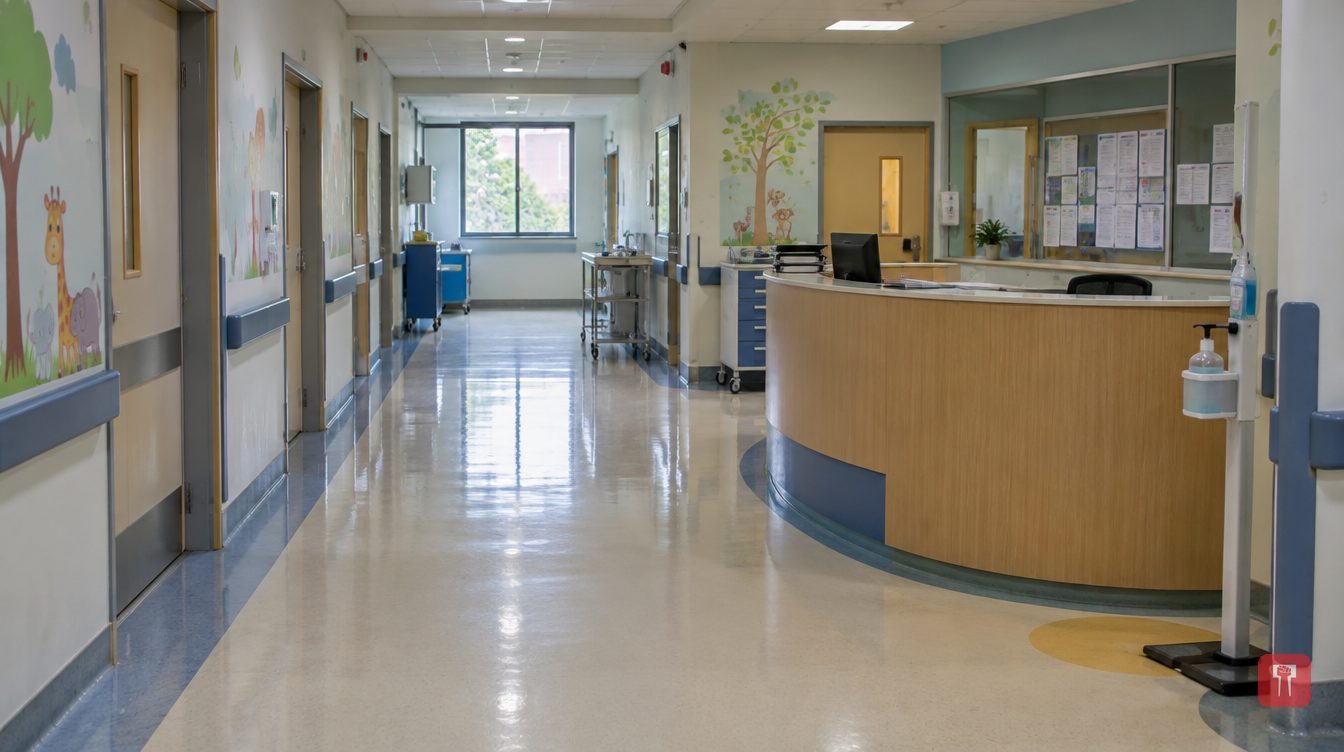 Images are not validated/verified
A 17-year-old, Tanmay Shinde, has undergone a successful heart transplant at the Bai Jerbai Wadia Hospital for Children in Mumbai. His life was at risk because of a serious heart condition. The pumping strength of his heart had fallen very low, making a transplant essential. The operation was led by paediatric cardiologist Dr Biswa Panda.
Tanmay lives in Ghansoli, Navi Mumbai. On December 1, a hospital in Vashi diagnosed him with dilated cardiomyopathy. He was sent home after five days of treatment, but within a week he began to complain of breathlessness, chest pain and fatigue. His condition worsened and he was taken to hospital again. On December 15 he was admitted to Wadia Hospital in a serious state, where further tests and specialised treatment began under Dr Panda.
Dr Panda said the disease weakens the heart muscles. This reduces the heart's ability to pump blood according to the body's needs, and the risk of heart failure rises gradually. The ejection fraction (EF), which measures the heart's pumping capacity, is normally 55 to 65 per cent. Tanmay's EF initially fell to 25 to 30 per cent. When his condition worsened further, it dropped to 10 to 15 per cent. ICU treatment and medicines improved it for a time to 20 to 25 per cent.
Tanmay was discharged on January 28, but his condition remained delicate at home and he had to be admitted repeatedly for further treatment and monitoring. About six months ago, a team of doctors told his family about his condition and explained the need for a transplant. His name was then entered on the heart transplant waiting list through the Zonal Transplant Coordination Centre (ZTCC). Tanmay and his family kept waiting for a suitable donor heart.
In a heart transplant, the blood group of the donor and the patient must match. Age, weight and body size are also taken into account. Finding a heart of the right size for young children and adolescents is a major challenge.
On October 6, the team of doctors learnt that a suitable donor was available at Fortis Hospital in Mulund. The family of a 22-year-old man who was brain dead had decided to donate his organs. This opened the way for Tanmay's transplant. After the necessary medical tests and the ZTCC procedures were completed, the heart was given to Tanmay.
According to Dr Panda, timing is critical in a transplant. Once the heart is removed from the donor's body, it has to be handled carefully and delivered in the shortest possible time. Thanks to a green corridor, the 23.9 km distance from Fortis Hospital in Mulund to Wadia Hospital was covered in just 25 minutes. While the heart was still being retrieved, the Wadia team had already prepared Tanmay for surgery. Dr Panda said the teams looking after the donor and the patient worked in coordination, so the operation could begin as soon as the heart arrived.
During the operation, the main blood vessels and veins connecting to the heart were carefully joined. The transplanted heart then began beating regularly. About three hours passed from the donor's heart stopping to its beating again in Tanmay's body. Tanmay's condition was very serious, and without timely treatment there was a risk of other organs failing too.
After the operation, Tanmay was kept in the ICU for seven days under close watch. As his condition improved, necessary changes were made to his medicines. He has gradually started eating, walking and carrying out daily activities. Cardiac rehabilitation and physiotherapy have also begun. He has now been shifted from the ICU to the hospital's general ward.
Tanmay has not yet been discharged. A biopsy will be done to check whether his body is accepting the new heart, and medicines will be adjusted accordingly. To keep the risk of rejection low, he will have to take immunosuppressant drugs for life. He will need regular check-ups and must take the necessary precautions against infection. Depending on medical need, he may also have to be kept in isolation for some time.
Tanmay's father, Ashok Shinde, is a bus driver and his mother, Sujata, is a homemaker. The family's financial condition is weak, so meeting the cost of expensive treatment was a major challenge. Funds were raised for this, and the transplant expenses were met from them.
Tanmay's parents said he was studying in Class 12 at a college in Navi Mumbai. After the illness was detected, even going to college became difficult for him and he could not take his examination. According to them, the illness was a great shock to the family and they constantly worried about his health and future. They said they are deeply grateful to the donor's family, who gave their son a new life. They also thanked Dr Biswa Panda and the entire medical team at Wadia Hospital for timely treatment and care. They hope Tanmay's health is now improving and that he will be able to take the Class 12 examination next year and resume his studies.
Stressing the need for awareness about organ donation in children, Dr Panda said heart transplantation is an established treatment in adults, but it is relatively uncommon in children. A major reason is the shortage of suitable donor hearts. Children with serious heart disease may have to remain on the waiting list until they get a heart that matches their body size and medical needs. Wide awareness about organ donation, including donation of children's organs, is therefore necessary. He said a proper organ donation can give a child a new life and the family fresh hope for the future.
The hospital's specialised centre for children with heart failure is currently treating and regularly monitoring about 300 children. The hospital is laying special emphasis on timely detection of the disease, regular check-ups and advanced treatment as required. It is working to ensure that children who need a transplant get timely treatment.
Dr Mini Bodhanwala, chief executive officer of Wadia Hospital for Children, said Tanmay's successful heart transplant is an important achievement for the hospital. She said its specialised medical services for complex childhood illnesses are growing stronger. Heart transplant has now been added to liver and kidney transplants. She said that in such an operation, excellent coordination among the team of doctors is essential at every stage: getting the right donor heart, delivering it to the hospital in time, and caring for the patient after the transplant. She hopes the success will increase awareness about organ donation and give more children waiting for transplants a chance at a new life.

Comments
No comments yet. Be the first.