

Why a 20 ml skin serum costs thousands of rupees: ingredients, research and packaging
Serums with niacinamide, vitamin C or hyaluronic acid cost far more than moisturisers because of ingredient quality, research and special packaging.
 Images are not validated/verified
Whether Gen Z, millennials or Generation Alpha, everyone now gives skin serum a big place in their skincare routine. A small 20 to 30 ml bottle of serum containing ingredients such as niacinamide, vitamin C or hyaluronic acid sells for a few thousand rupees. Many consumers wonder why serums cost so much more than a plain moisturiser or cream.
Is the price driven up only by the brand name and attractive packaging, or are there scientific reasons behind it?
First, it helps to understand what a serum is. A serum is a very light liquid, mainly water-based or oil-based. A moisturiser forms a protective layer on the upper layer of the skin (epidermis) and retains moisture. The active ingredients in a serum are extremely fine. They are easily absorbed into the deeper layer of the skin (dermis) and work directly on specific problems such as blemishes, wrinkles or uneven skin.
The first reason is the concentration of active ingredients. Moisturisers contain more water and emollients. Serums, by contrast, contain ingredients such as vitamin C, hyaluronic acid, ceramides and retinol in higher amounts and in purer form. Buying this raw material and maintaining its purity is very expensive.
According to Vibhor Rastogi, founder of Oteria, "The price of a serum depends not only on the ingredients listed on the box, but on the source and quality of those ingredients and the research (R&D) done on them."
For example, hyaluronic acid is used to retain moisture in the skin. But not all hyaluronic acid sold in the market is the same. High molecular weight acid stays on the upper layer of the skin, while fine, low molecular weight acid goes into the skin. Producing such fine ingredients is technologically complex and very expensive.
Multi-ceramide complexes and polypeptides are used to protect the skin. Peptides are considered highly effective in reducing wrinkles and expression lines on the face. These ingredients are a safe alternative to costly treatments such as Botox. Making the right blend of such ingredients is expensive.
Making a serum is not simply a matter of mixing ingredients. Ingredients such as vitamin C oxidise, that is, spoil, as soon as they come into contact with air and light. Scientific research is therefore needed to keep the serum effective down to the last drop.
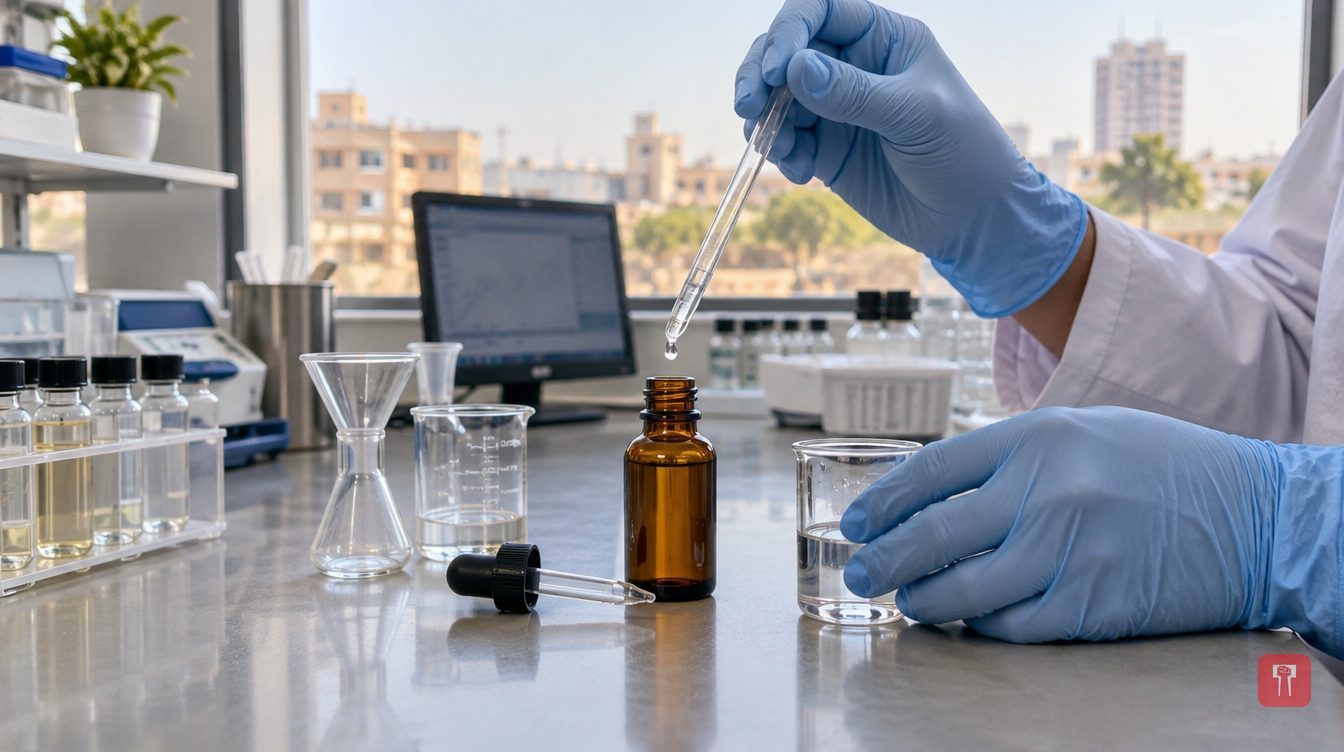
To preserve their medicinal properties, dark amber glass bottles or airless pump packaging must be used. This special packaging raises the cost of manufacture. In addition, a serum has to go through clinical and lab tests to check that it is safe for the skin, and this directly affects the final price.
So is buying an expensive serum really worthwhile? Only 2 to 3 drops of serum are enough at a time, so a 20 ml bottle easily lasts 2 to 3 months. For anyone who wants a firm remedy for a specific problem such as pigmentation, premature ageing or dryness, investing in the right serum is more effective than using an ordinary cream.

Comments
No comments yet. Be the first.