

Who is Vishwakarma, divine craftsman linked to Indra's Vajra and Shiva's Trishul
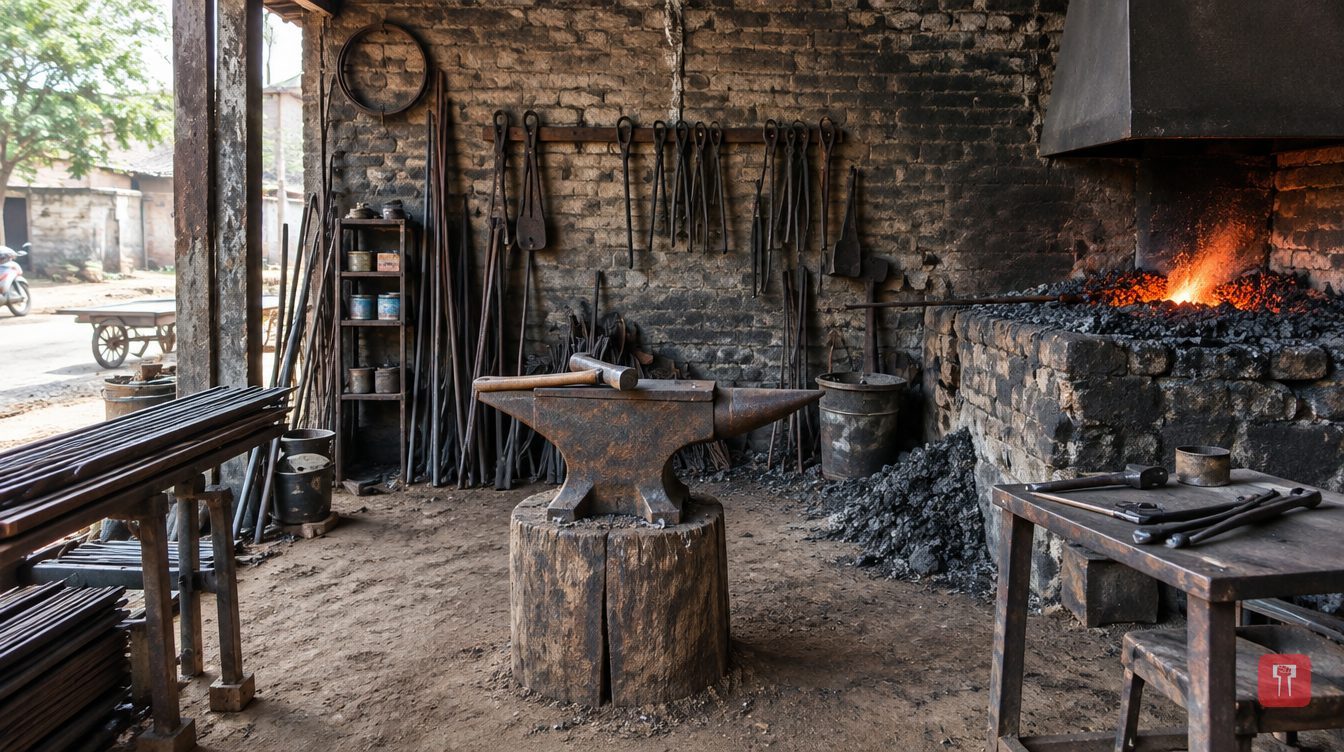 Images are not validated/verified
In Hindu tradition, Vishwakarma is regarded as the divine architect and maker of the gods' weapons, palaces and cities, though some tales credit others.
In pictures of gods and goddesses, divine weapons are a familiar sight: the Sudarshan Chakra in Shri Krishna's hand, the trishul in Mahadev's and the vajra in Indra's. Stories of cities such as Swargalok, Indraprastha and Hastinapur are equally well known. The question is who made these weapons and who raised the grand palaces and cities for the gods. The answers lead to a particular name in Indian mythological tradition: Vishwakarma, the divine craftsman and master architect of the gods.
In Hindu mythological tradition, Vishwakarma is regarded as the first craftsman and architect of the gods and the maker of divine things. True to his name, he is called the creator of the world. The building of palaces, assembly halls, cities, chariots and weapons for the gods is attributed to him. In the Rigveda, the name Vishwakarma appears in the context of the divine power that created the world. In later mythological accounts, his image grew into that of a skilled artisan and builder of the gods. For this reason he is seen not merely as a weapon-maker but also as a symbol of divine architecture.
The story of Indra's vajra is among the best-known in Indian mythology. To defeat the demon Vritrasura, Indra needed a weapon of extraordinary power. The Bhagavata Purana and other Puranic traditions say that the sage Dadhichi gave up his body for the good of the gods. The vajra was made from his bones, and with that weapon Indra killed Vritrasura. In this story, the making of the divine weapon is linked to Vishwakarma.
The Sudarshan Chakra is a divine weapon associated with Lord Vishnu and Shri Krishna. It is regarded as a symbol of the protection of dharma and the destruction of adharma. Some mythological accounts link its making to Vishwakarma. Some traditions also tell that a portion of the Sun's radiance was pared away and divine weapons were fashioned from it. These accounts mention Vishnu's other divine weapons along with the Sudarshan Chakra.
The trishul in Lord Shankar's hand symbolises his power and the destruction of evil tendencies. According to some mythological traditions, the trishul was made by Vishwakarma. Its three prongs are linked to creation, preservation and destruction, the three functions of the cosmic cycle. In some spiritual interpretations, the trishul is also seen as a symbol of the past, present and future.
Vishwakarma's name is not limited to weapons. He is also linked to the making of the gods' dwellings in heaven, divine palaces and supernatural buildings. The Puranas say he built Swargalok, the abode of the gods; Hastinapur of the Mahabharata; the palaces, assembly halls and city layouts described in the Hastinapur tales; and the magical Maya Sabha.
One point deserves separate mention. In the Mahabharata stories, the grand assembly hall of Indraprastha is linked not to Vishwakarma but to Mayasura, who is known as the skilled architect of the asuras. The tales thus name Mayasura as the builder of the Indraprastha hall.
Seen through these stories, Vishwakarma emerges in the Indian mythological imagination as a symbol of creativity, skill and architecture. Whether divine weapons or grand cities, the tales of their making reflect the imagination of ancient Indian tradition, to some extent its history, and the importance it gave to craftsmanship.
Reach readers on the ward they actually live in.
Advertise with Prime Time 24Reach readers on the ward they actually live in.
Advertise with Prime Time 24Reach readers on the ward they actually live in.
Advertise with Prime Time 24
Comments
No comments yet. Be the first.