

In Mauritania, fuller bodies were prized and divorced women could remarry, but views are changing
 Images are not validated/verified
In parts of the West African country, a fuller body was long linked with prosperity and remarriage after divorce is accepted, though such practices cannot be generalised.
Every country has its own culture, way of life and ideas of beauty. In some places a slim frame is seen as a sign of beauty, while in some societies a fuller body was once associated with prosperity. Mauritania, in West Africa, is often in the news for such traditional beliefs. In some communities there, distinct social practices around marriage, divorce and remarriage can be seen.
Mauritania lies on the Atlantic coast of West Africa, and the Sahara desert covers a large part of the country. Its capital and most important urban centre is Nouakchott. The country is known for its Islamic history, traditional nomadic lifestyle and desert culture. Iron ore, gold, copper and other mineral resources are important parts of its economy.
In some traditional communities, a fuller body has long been given special importance. Socially, it was taken to mean that a person did not lack food and that the family was financially strong. Because of this thinking, there are records of pressure on women to gain weight in some communities. Such practices, however, can be dangerous to health. It would also be wrong to conclude that all women in Mauritania like being fat or that this remains the main measure of beauty today. Ideas of beauty are changing with modern lifestyles, education and shifting social attitudes.
In some Mauritanian societies, remarriage after divorce is considered acceptable. The notion that a woman's social life ends because her marriage failed is not found everywhere. In some communities, divorced women get the chance to find a new partner.
In some places there are also practices of introducing people through social gatherings or intermediaries to find a partner. These are sometimes called a "market of divorced women". But the term does not give an accurate picture of the condition of women across the country. Nor is it right to treat such practices as an official market.
Mauritania's history and social reality are tangled in many layers. Laws against slavery have been passed in the country, yet several human rights organisations have recorded that slavery passed down through generations, and the discrimination linked to it, persist even today. Despite abundant natural resources, poverty, economic inequality and limited job opportunities are among its challenges. So in understanding the country's social practices, it is necessary to look at economic conditions and women's rights along with cultural特点.
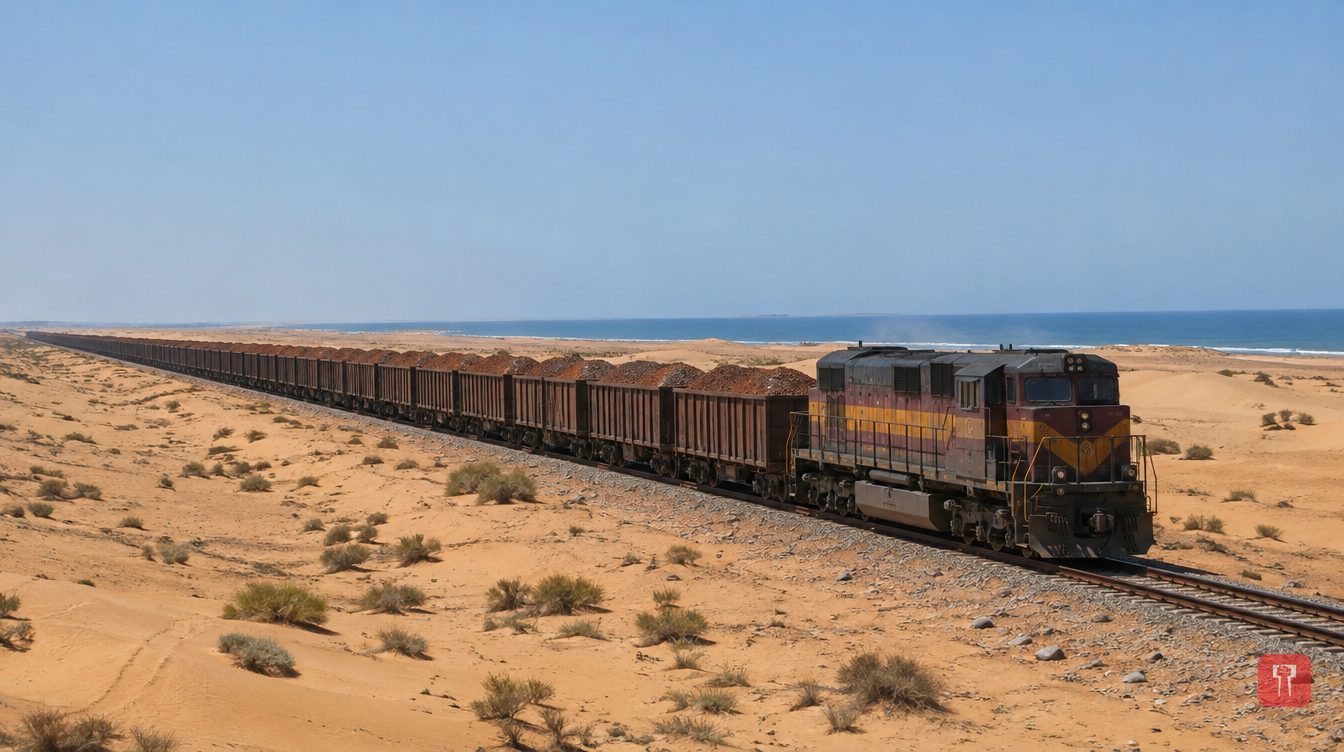
Another of Mauritania's identifying features is the long freight train that carries iron ore. It runs from the mines at Zouerate to the port of Nouadhibou on the Atlantic coast. Because of its length and its route through the desert, it attracts railway enthusiasts and tourists from around the world.
Mauritania's identity is not limited to unusual traditions. Its desert, historic towns, Islamic heritage, mineral wealth and social change make the country distinctive. In looking at its marriage and beauty traditions, it is important to understand their cultural context and to avoid drawing the same conclusions about all communities.
Reach readers on the ward they actually live in.
Advertise with Prime Time 24Reach readers on the ward they actually live in.
Advertise with Prime Time 24Reach readers on the ward they actually live in.
Advertise with Prime Time 24
Comments
No comments yet. Be the first.