

Vance declines to back Netanyahu in Israel election, says focus is on US candidates
US Vice-President JD Vance has refused to directly support Benjamin Netanyahu's re-election bid, days before Israel's general election on October 27.
 Images are not validated/verified
US Vice-President JD Vance has flatly refused to give direct support to Israeli Prime Minister Benjamin Netanyahu's bid for re-election. Israel votes in a general election on October 27, and the stance, coming just before it, has stirred international politics.
The war with Hamas in the Gaza Strip, mounting international pressure and sharp public protests inside Israel are said to have made this a very difficult election for Netanyahu. Vance's decision at such a delicate moment has drawn attention.
Two camps appear to have emerged in the US administration and the Republican Party. President Donald Trump regards Netanyahu as a close friend and stands openly with him. Trump has said with firm conviction that in the present conditions of war and tension, Israel needs a strong leader who takes tough decisions, like Netanyahu. Vance, on the other hand, has distanced himself completely from this position. This has raised questions over America's foreign policy and its long-standing ties with Israel.
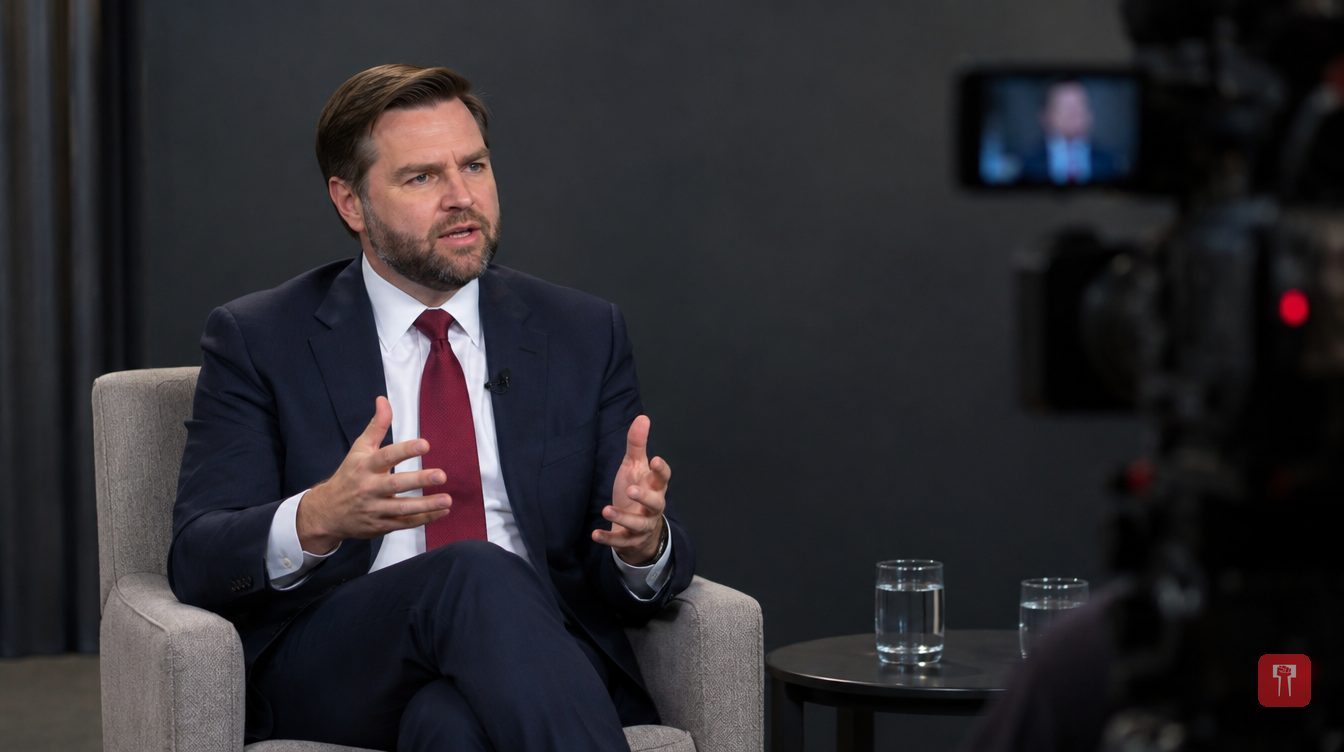
In a major media interview, Vance was asked about Trump's backing for Netanyahu and replied in a diplomatic but firm tone. He said the president had the most influential endorser in international and American political history. But as for his own personal role, he said he was focused only on campaigning for American candidates and working with them. The US midterm elections are due in November and are extremely important for him. In his view, paying attention to American politics matters more than interfering in foreign elections.
Although Vance has distanced himself from foreign elections, political circles are doubtful about the statement given his past political moves. Last year, before Hungary's parliamentary election, Vance campaigned actively for the then Prime Minister Viktor Orban. This has raised the question of why he has now chosen to stay neutral on the Israeli election. Sharp anger and apprehension over Vance's stance are being expressed among Republican Jews and Jewish American citizens.
Vance did not stop at refusing support. He also attacked some policies and members of the Israeli government in strong words. In particular, Israeli officials publicly opposed the diplomatic talks and initial agreements that the Trump administration has begun with Iran. Vance expressed strong displeasure over this. He warned the Israeli leadership plainly that by putting at risk ties with the world's biggest superpower, Israeli officials were doing themselves great harm.
Vance also reminded Israel of a reality. He said Donald Trump is today the only major head of state in the world who has genuine sympathy for Israel. Treating the Trump administration or America as a problem would therefore be a big mistake by Israeli officials, he said. He said two-thirds of the weapons and military aid used for Israel's security is made in America and sent with American taxpayers' money. The Israeli cabinet should not forget this, he said.
These differences have heated up intra-party politics in the US. The Republican Party appears caught in infighting, while the opposition Democratic Party has begun to draw political advantage from the situation. Abdul El-Sayed, the Democratic Senate candidate from Michigan, has sharply targeted the Republican Party's foreign policy and its policies on Jews over these developments.
The impact of these events is believed to be likely to run deep, not only on the Israeli election, to be held between October 25 and 27, but also on the US midterm elections in November. It is clear that the decades-old strategic relationship between America and Israel has reached a new and tangled turn.

Comments
No comments yet. Be the first.