

India objects at UN to report on Dawood Ibrahim, says it hid al-Qaeda links
India told a UN General Assembly committee that a special report left out Dawood Ibrahim's al-Qaeda ties and criminal record, and rejected Pakistan's remarks on Jammu and Kashmir and Ladakh.
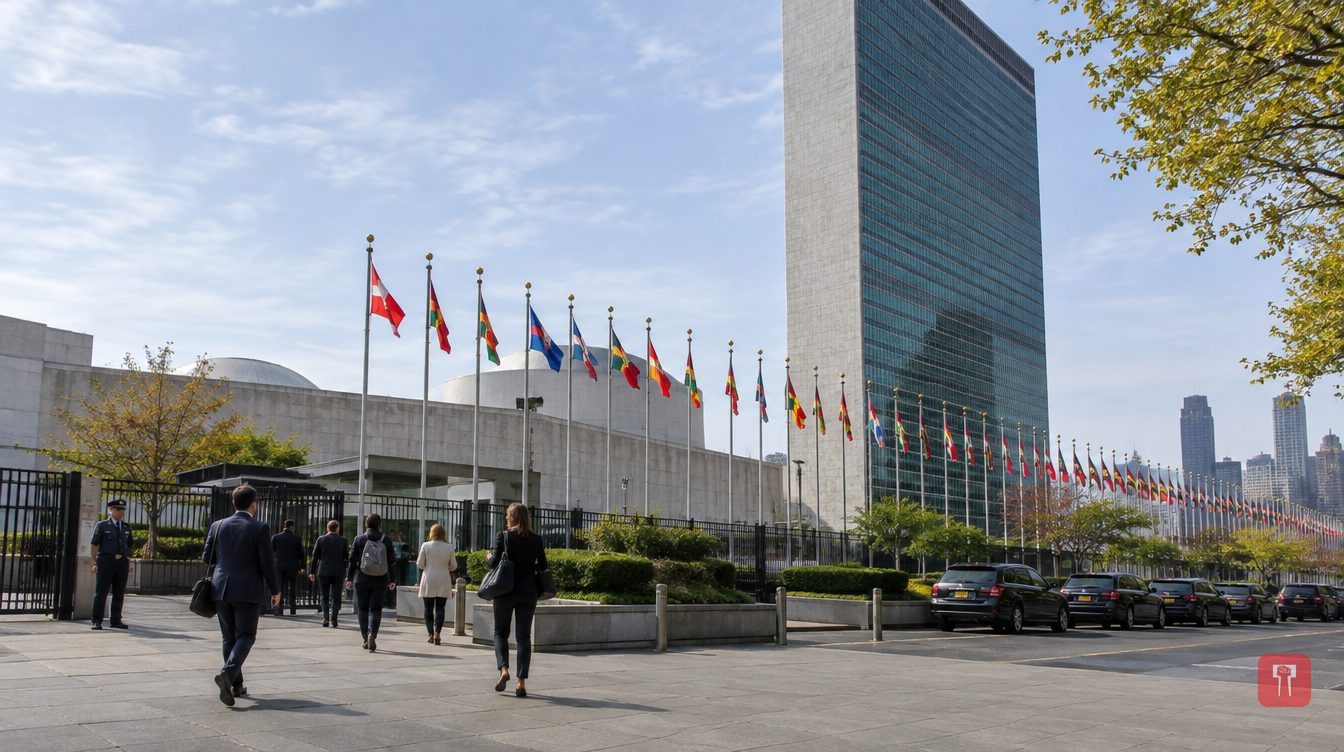 Images are not validated/verified
India has once again questioned Pakistan and the double standards of the international system at the United Nations. It has lodged a serious objection to what a special UN report says about Dawood Ibrahim, the notorious terrorist and main conspirator of the 1993 Mumbai serial bomb blasts. India said the report concealed his links with al-Qaeda and did not properly record the history of his criminal activities. It called this a very big lapse.
India's First Secretary Raghu Puri put the country's position at an important meeting of the Third Committee of the UN General Assembly. He said Dawood Ibrahim is not merely the head of a criminal gang but an internationally designated terrorist. It was because of his direct links with a dangerous terrorist organisation like al-Qaeda that he was placed on the UN's global sanctions list in 2003. But the report by the Special Rapporteur, Ben Saul, makes no mention of these basic and historical facts, so India directly questioned the report's impartiality.
Puri also responded to claims in which the report suggested that Dawood Ibrahim is active in India as the head of the "D-Company". He clarified that Dawood had fled India many years before the UN sanctions were imposed on him in 2003. According to him, he is not in India at present but is living a safe life under Pakistan's covert protection.
Without naming Pakistan, Puri said Dawood Ibrahim is today moving openly in a country where Osama bin Laden, the world's most dangerous terrorist and al-Qaeda chief, was hiding and where the American military killed him. India used the statement to say once again that Pakistan is a safe haven for global terrorism.
In its speech, India also pointed to the functioning of international arrangements. It expressed deep concern that some countries and organisations defend terrorism and extremism in the name of human rights. India warned that human rights and counter-terrorism arrangements must not be used to shield terrorists or to pursue political agendas.
Puri said it is extremely important for UN officials to maintain impartiality, transparency and accountability while preparing global reports. He said that if baseless and misleading information appears in official UN reports themselves, the credibility and reputation of this largest global institution could suffer a heavy blow.
During the meeting, Pakistan, as always, tried to draw the attention of the international community by raising the issue of Jammu and Kashmir and Ladakh. India rejected the attempt on the spot. It said bluntly that Pakistan's statement was only misleading political propaganda with no moral or legal basis.
Puri again stated in clear words that the Union Territories of Jammu and Kashmir and Ladakh are, were and will always remain integral and inseparable parts of India. He said that instead of interfering in India's internal affairs, Pakistan should focus on dismantling the terror infrastructure present in its own country.
India also said the UN should take note of its own serious mistakes and fix responsibility. It said that if any report is placed before member states without proper investigation and verification of facts, the global fight against terrorism could weaken. India therefore insisted that the UN ensure such mistakes are not repeated.

Comments
No comments yet. Be the first.