

Sydney braces for 37-degree heat as New South Wales issues bushfire alert
Authorities have imposed fire restrictions around Sydney as temperatures are forecast to hit 37 degrees Celsius on Monday, raising the risk of bushfires.
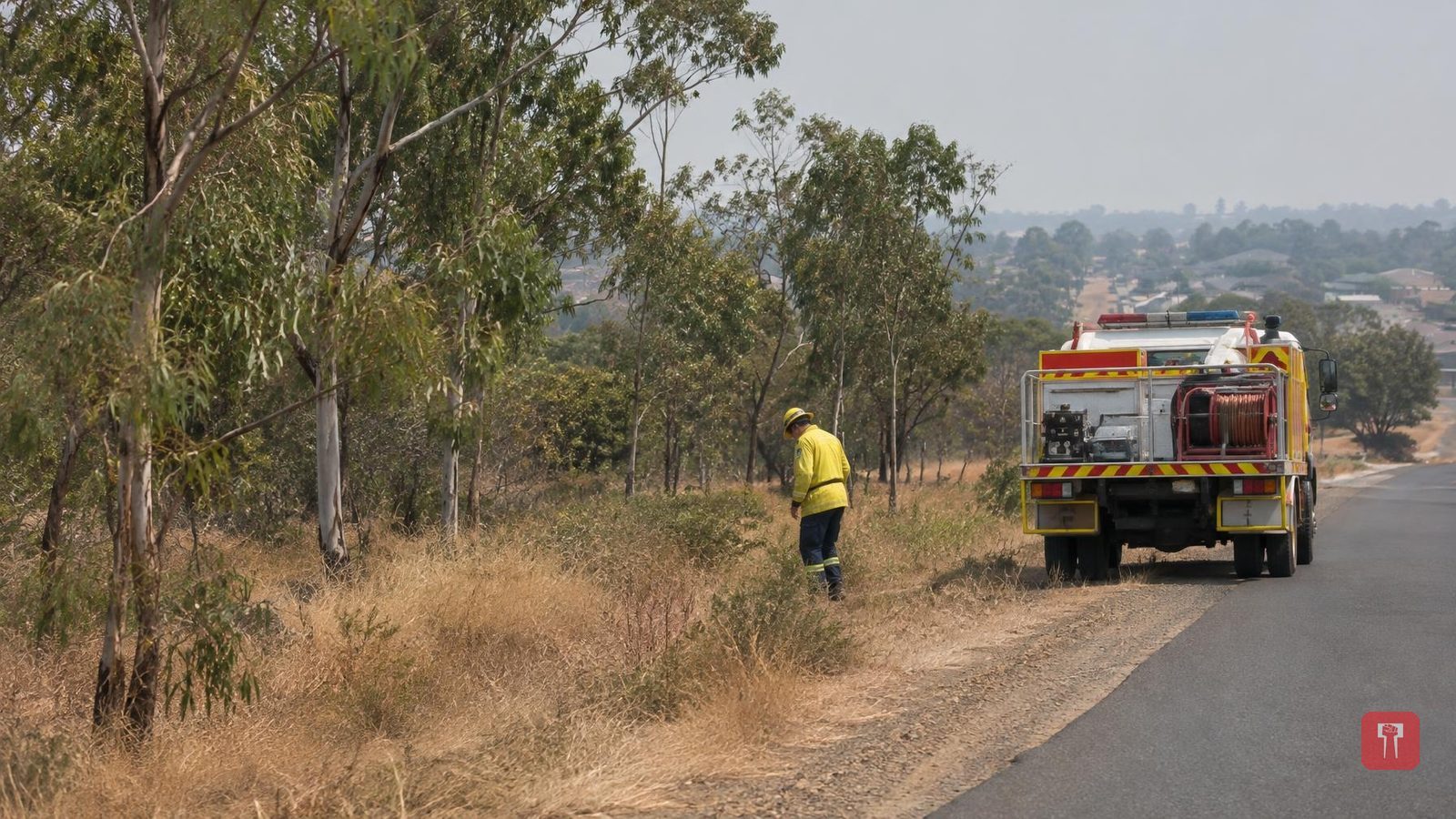 Images are not validated/verified
Australia has seen many bushfires in recent decades, particularly during the heat of October. Some were so severe that nearby cities also felt their effects. Against this background, authorities have issued a high alert over rising temperatures in the capital Sydney and the surrounding region.
The weather department had forecast that temperatures in western Sydney could reach 37 degrees Celsius on Monday. Sultry, humid conditions have further increased the risk of bushfires.
The New South Wales Rural Fire Service has brought fire prevention measures fully into force in the Greater Sydney and Greater Hunter areas. Lighting fires in the open is banned. Using barbecues that run on certain fuels, and carrying out work such as grinding and welding, has also been prohibited.
According to the weather department, Monday could be the hottest day in several months. If the temperature does reach 37 degrees, it will be 10 to 11 degrees above the October average. Sydney had recorded a higher temperature earlier, in February.
From north of Newcastle to Wollongong, temperatures are forecast to stay between 34 and 36 degrees. The weather department has also said conditions could change around midday, with humid winds blowing rapidly.
Rural Fire Service Commissioner Trent Curtin has warned that strong thunderstorms with damaging winds, lightning and thunder could hit many parts of the state. However, they are unlikely to bring enough rain. Instead, very hot or very humid winds will blow there. In such conditions the risk of fires from dry lightning remains.
Dry lightning is when lightning strikes the ground from thundering clouds but the rain does not reach the ground. If it does, it is of no use in putting out fires. In such cases a lightning strike can quickly set forest or grassland ablaze.
Curtin urged people not to leave fires or flammable material in open areas. He said that, with favourable conditions this year, the fire service is monitoring the situation using better-equipped techniques than in previous years to reduce the risk of bushfires.
Meanwhile, Australia's federal Emergency Management Minister Kristy McBain stressed the need to expand the emergency alert system. In an emergency, the system sounds an alarm and sends a message to mobile phones near the affected area. Victoria and Western Australia have begun using the system.
Strong hot winds blew across many parts of Australia in September. Since then, authorities there have been on alert for the heat of October.
