

Should society decide how long a man's hair can be? The case for boys' long hair
Long hair on boys draws taunts at home and at work, but nothing links a hairstyle to character, and the choice should be the individual's.
 Images are not validated/verified
If you want to keep long hair, or already do and your family keeps taunting you about it, this story is for you. Indian society, the middle class in particular, follows many social rules that are of little use. One fashionable form of this is to scold a boy for long hair, object to it, or treat it as a sign of bad company. In truth, there is no such link between a hairstyle and a person's character.
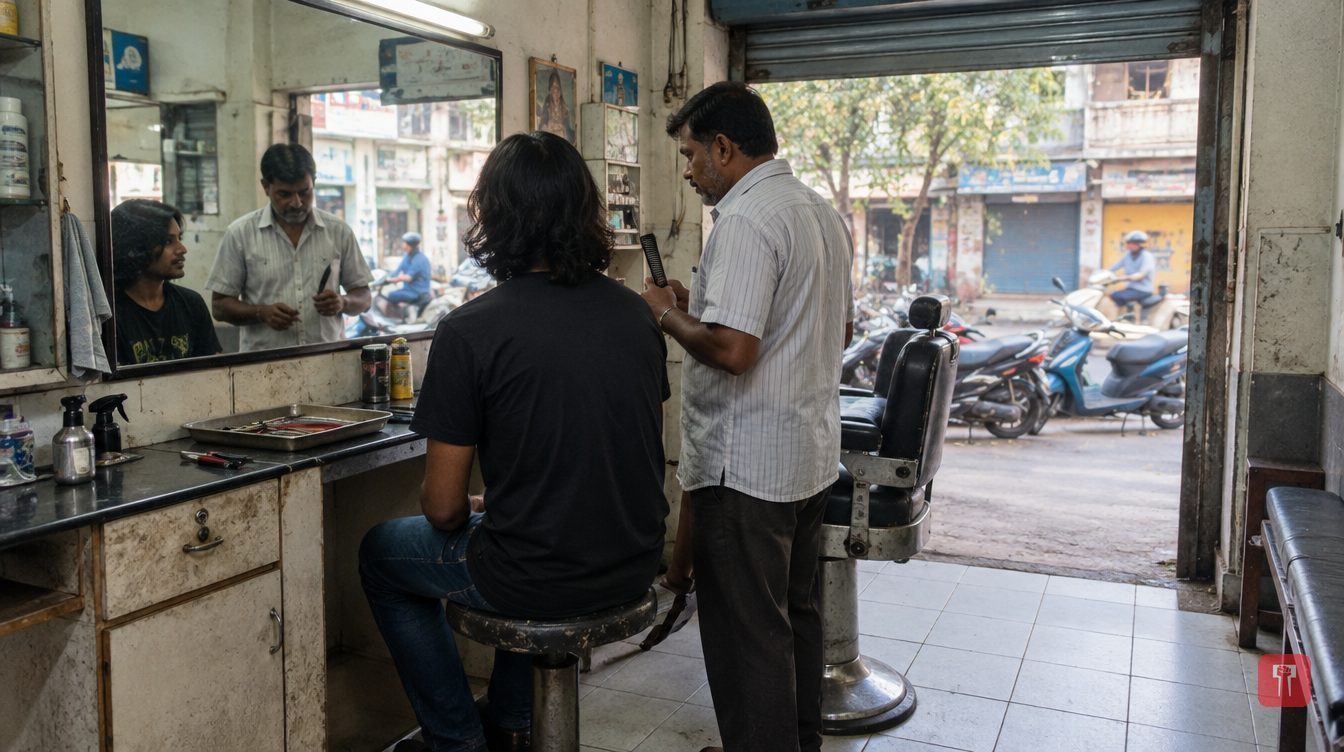
In many homes, people still say that boys with long hair are undisciplined or do not look good in society. Parents often cite jobs, interviews and the office environment to argue that hair should be kept short, saying it marks a good boy. But who gave society the right to decide how long men's hair should be? And has long hair always been considered bad in Indian culture?
Indian history and religious traditions show long hair in many forms. Lord Shiva's matted locks carry religious and spiritual importance. Many sages are shown with matted locks in pictures. Long hair also appears in depictions of some historical kings, warriors and ascetics. In tradition, hair was not only a mark of beauty. In some contexts it was linked to austerity, strength, renunciation or a particular religious identity.
The image of short hair is tied to British rule. In that period, the army, government offices and institutions valued discipline, uniformity and a prescribed dress. Short hair in the military also had practical reasons, such as cleanliness, convenience, a uniform look and discipline. The rules of institutions linked to the British administration and a Western professional image influenced Indian institutions and society too. In the same period, British cultural dominance also reinforced several prejudices about Indian education, literature and social customs, and the British military tradition of short hair took hold in Indian society as well.
Even after Independence, some Western professional standards became marks of respect. Wearing a black coat, looking neat and keeping short hair were linked together in many places. As a result, boys with long hair face needless criticism, sometimes at work, sometimes in studies and sometimes at home.
In reality, a person's ability, honesty or professionalism is not determined by the length of their hair. Cleanliness, safety and proper dress may be needed at a workplace. But insisting that every man keep the same hairstyle is an entirely different matter. The British army had rules on beards, religious symbols and headgear. Even so, there is no solid evidence that the British ran a nationwide campaign to make Indian men keep their hair short.
Being proud of one's culture does not mean everyone should keep long hair. Nor does anyone need to cut their hair short to look modern. Every person should be free to choose the hairstyle they like; that is the right spirit.
Ultimately, the question is not about hair length. It is whether we make our choices ourselves or out of fear of society. If Indian culture has room for diversity, why question the values and personality of a young man who has grown his hair long? A person's goodness should be judged by conduct and work, not by hairstyle.

Comments
No comments yet. Be the first.