

Why water is offered on the Shivling: the religious reasoning, and whether milk is essential
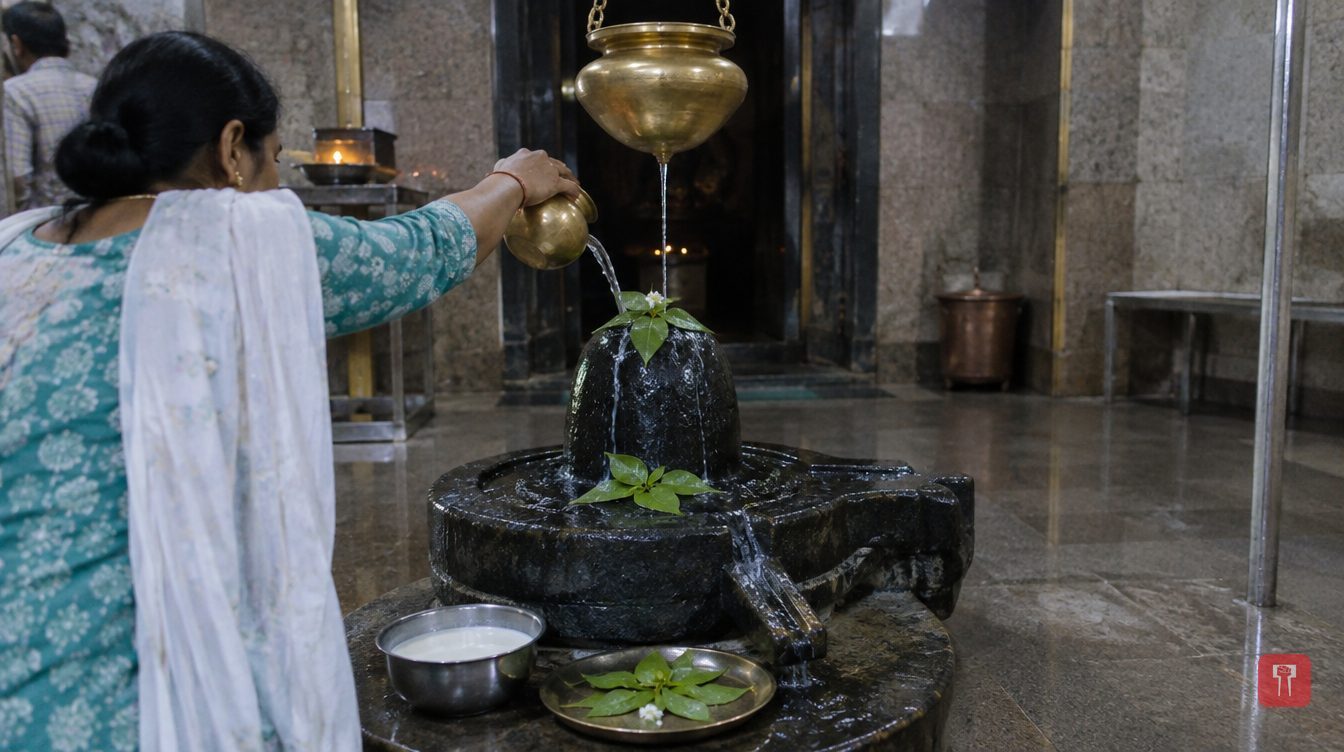
Devotees offer water, milk and other items on the Shivling, but the faith placed in the offering matters most, and plain clean water is considered complete worship.
 Images are not validated/verified
In Hinduism, Lord Shiva is known as Bhole Shankar and Bholenath. Abhishek holds special importance in the worship of Mahadev. In the month of Shravan, on Mahashivratri, on Mondays and on Pradosh, many devotees offer milk, water, bel leaves, honey, curd and other worship items on the Shivling.
This raises questions for many people. Is it necessary to offer only milk in the abhishek of the Shivling? Is it acceptable to perform the abhishek with water alone? And what is the religious sentiment behind abhishek with milk?
The essential point is that in the worship of Lord Shiva, devotion matters most. Even if only clean water is offered on the Shivling, it is considered complete worship performed with faith. The tradition of abhishek with milk does exist, but it cannot generally be said that milk must be offered every time.
Jalabhishek, the abhishek with water, has a special place in the worship of Shiva. Water is regarded as a basic element of life and is seen as a symbol of purity, peace, sanctity and the life-giving force. Offering water on the Shivling is therefore an important part of worshipping Mahadev. Many religious traditions, including the Shiva Purana, give importance to the worship and abhishek of Shiva. Through jalabhishek, the devotee expresses faith, surrender and devotion.
The Puranas say that the Ganga rests on the head of Lord Shiva. This is why offering water to Shiva acquired special religious significance. Whether it is Gangajal or clean, pure water, jalabhishek performed with devotion is an essential part of Shiva worship.
Many Shiva devotees visit a Shiva temple every morning and offer water on the Shivling. Some also perform jalabhishek regularly on a Shivling kept at home. It needs no special worship items or great expense. Plain water offered with faith at the feet of Mahadev is also a sign of the devotee's devotion.
The tradition of offering milk on the Shivling has continued in Hinduism since very ancient times. Abhishek with milk is performed especially on the Mondays of Shravan, on Mahashivratri and on other occasions of Shiva worship. Milk is regarded as a symbol of sattvik quality, purity, nourishment and prosperity. Cow's milk has special importance in Indian religious tradition, which is why milk, curd and ghee are used in worship.
Because milk is considered pure and sattvik, the devotee expresses a pure and untainted sentiment by offering it. Offering what is considered dear to the deity means surrendering what one has at the feet of God. Abhishek with milk is a part of this surrender. Lord Shiva is regarded as a symbol of peace, detachment and welfare. While performing abhishek with milk, devotees pray for peace of mind, the well-being of the family and the removal of life's difficulties.
If abhishek is performed with clean water instead of milk, that too is acceptable. Not everyone can get milk every time. Sometimes milk is unavailable because of a shortage of money, and sometimes for other reasons. In such a case there is no need to insist that milk is required for abhishek. Take pure water, remember Lord Shiva, offer the water on the Shivling with faith and pray from the heart. This too has importance in Shiva worship.
Jalabhishek is not merely a religious ritual; it also gives the devotee a spiritual message. Just as water is a symbol of cleanliness and coolness, jalabhishek expresses the sentiment of setting aside bad thoughts and remembering God with a calm and happy mind. While slowly offering water on the Shivling, the devotee can chant the mantra "Om Namah Shivaya". The chanting helps the mind to concentrate and to settle into the worship.
Some points are advised for the time of abhishek. Use clean and pure water for abhishek. If offering milk, take clean milk if possible. Follow the temple's abhishek procedure and its rules. Keep the surrounding area clean after the abhishek. Do not waste milk or other worship items needlessly. If milk is not available, perform jalabhishek with faith and without any sense of guilt. During abhishek, focus on chanting the mantra, remembering Shiva and prayer.
All in all, while following the tradition of offering milk on the Shivling, one should understand the faith behind it. If milk is not available, performing jalabhishek is a simple and right path.

Comments
No comments yet. Be the first.