

Hibiscus, parijat, tulsi, shami and aparajita seen as auspicious to plant during Sharadiya Navratri
Sharadiya Navratri begins on Sunday, October 11, with Ghatasthapana, and certain plants are considered auspicious to grow at home during the festival.
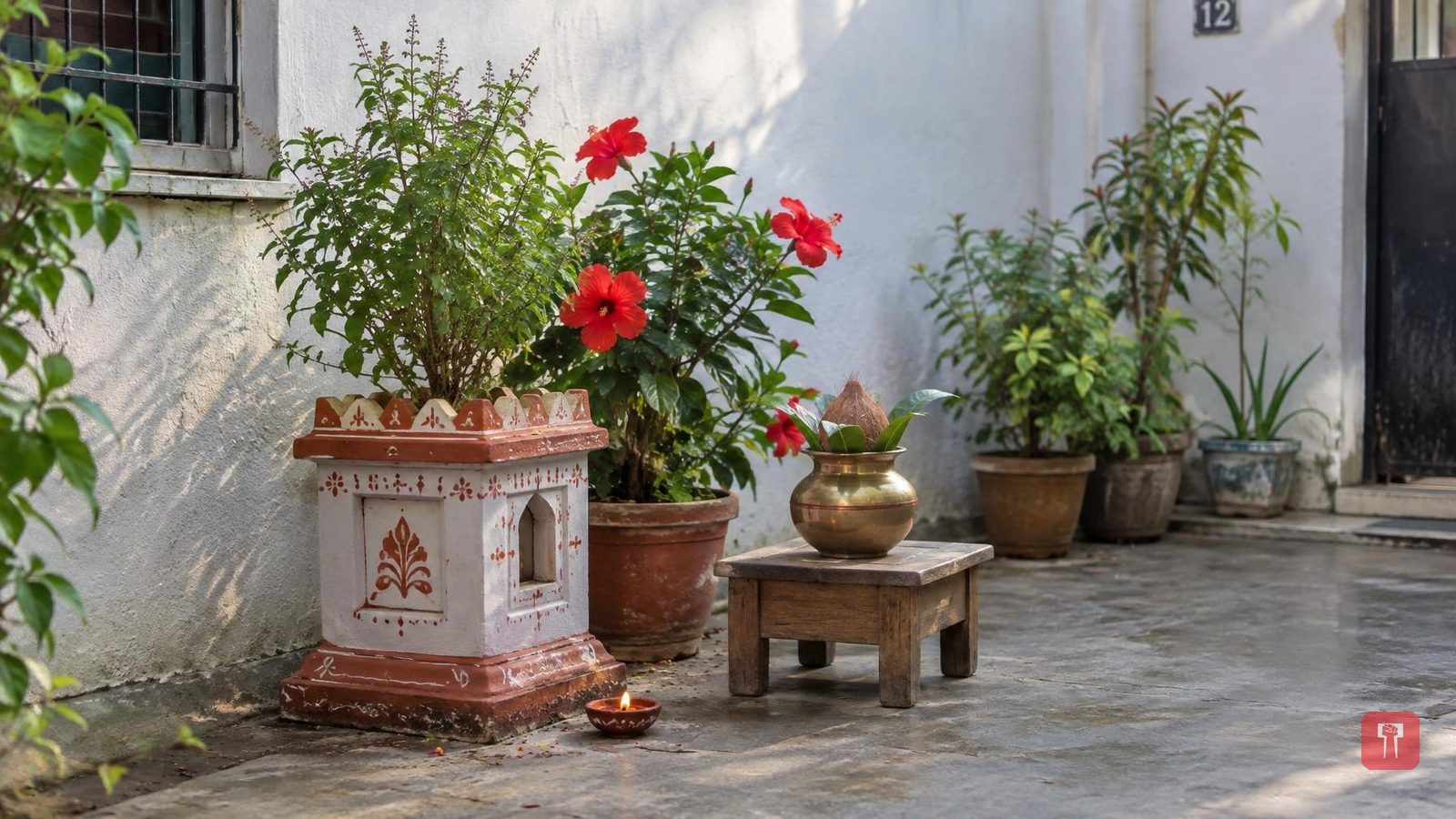
Sharadiya Navratri is one of the most important and sacred festivals in Hinduism. During the nine days, the nine forms of Goddess Durga are worshipped. Devotees observe fasts and perform prayers, aarti and Kanya Pujan. It is believed that worshipping Goddess Durga during Navratri brings peace and happiness to the home and earns the goddess's blessings. Auspicious acts performed in this period are therefore given special significance.
Plants and trees hold a special place in Hinduism. Many plants are linked to deities, and having them at home is associated with positive energy, joy, prosperity and peace. For this reason, planting certain plants at home during Navratri is considered auspicious. According to religious belief and Vastu, if these plants are placed in the right direction, the atmosphere in the home stays positive.
This year, Sharadiya Navratri begins on Sunday, October 11, with Ghatasthapana. As Navratri starts on a Sunday, the goddess will arrive riding an elephant, steady in her seat. The scriptures regard this as auspicious and a symbol of happiness and prosperity. The auspicious time for Ghatasthapana is from 6:19 am to 10:12 am. The Abhijit Muhurat is from 11:20 am to 12:07 pm. Maha Ashtami and Maha Navami fall on the same day, Monday, October 19.
Planting hibiscus, parijat (night-flowering jasmine) and tulsi (holy basil) at home during Navratri is considered most auspicious. The red hibiscus plant is very dear to Goddess Durga, and planting it is said to bring positive energy into the home. According to Vastu Shastra, it is most auspicious to plant hibiscus on the east or north side of the house.
Parijat is also known as a plant of heaven. Its flowers are dear to Goddess Lakshmi and Goddess Durga. According to Vastu, it is most auspicious to plant parijat on the north or east side, including the north-east.
Tulsi is regarded as a symbol of Goddess Lakshmi. Planting tulsi in the courtyard brings peace and happiness to the home. According to Vastu, tulsi is always planted on the north, east or north-east side of the house.
The shami tree is dear to Goddess Durga and Lord Shiva. It is believed that planting it helps ward off troubles. It is considered most auspicious to plant a shami tree outside the main entrance on the right side (south or west), or on a south-facing terrace.
Offering the blue or white flowers of the aparajita plant to the goddess brings prosperity to the home. According to Vastu, the aparajita plant should always be planted in the north-east, north or east.
While planting, it is important to choose the right direction in the house and to care for the plants regularly. In some places, there is also a tradition of lighting a lamp near these plants while worshipping the goddess during Navratri. This information on religion, astrology and Vastu is meant only for readers' information. Expert advice is necessary before trying any of these practices.
