

Shardiya Navratri starts on October 11: Marathi wishes to send for Ghatasthapana
Devotees mark nine days of worship of the goddess's nine forms, with ghatasthapana, garba and dandiya, and many send greetings in Marathi.
 Images are not validated/verified
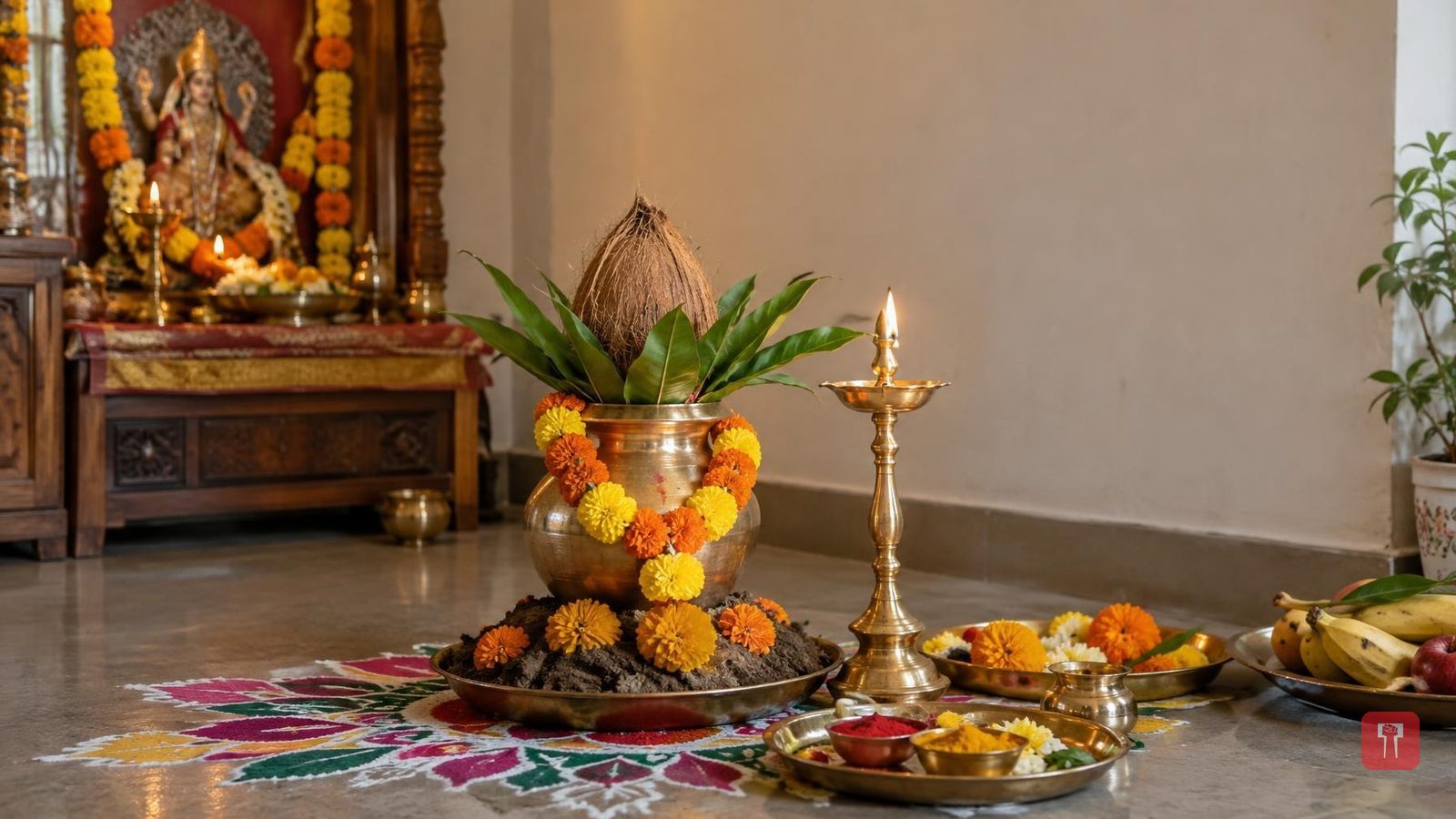
Shardiya Navratri begins on October 11, and for the following nine days homes and temples across the country will carry a devotional mood. Each of the nine forms of Goddess Durga is worshipped in turn with the proper rites, and every day of the festival is treated as an occasion for joy. In many Maharashtrian households the observance opens with Ghatasthapana, the installation of the sacred pot, and the ghat is then immersed on Dussehra.
Through the nine days a different naivedya, or food offering, is made to the goddess daily. Garba and dandiya evenings are held in many places, and the festival is marked with great fervour each year. Families who observe Navratri usually pass on greetings to relatives, friends and neighbours, and Marathi messages sent over WhatsApp status, Facebook or a personal chat are a popular way to do it.
Many of the messages open with prayer. One begins with the Sanskrit verse Namo devyai mahadevyai shivayai satatam namah and goes on to bless the reader for the festival. Another asks that the grace of Adimaya keep happiness, peace and prosperity in your life, while a third turns to Ambabai and prays that all your wishes be fulfilled. Some call on Goddess Durga to give you wisdom and a positive outlook, and others ask that Maa Bhavani fill your life with joy and that every crisis pass by her grace so that a new road to success opens.
Several messages speak of family and home. One hopes the festival will deepen the love and closeness in your relationships. Another wishes that the shade of happiness and peace always remain over your family, and a third asks that the light of devotion and plenty of joy stay in your house. A longer one describes Navratri as a festival of the soul, hopes your home is lit with lamps of devotion, that sorrow departs and that the Mother's grace is with you every moment, and closes with the cry of Jai Bhavani and a Shubh Navratri. Another opens with Jai Mata Di and wishes wealth for the family, calm for the mind and cheer for the household.
The nine days themselves are the subject of a good many wishes. People are asked to observe them with devotion and love, to receive good health and a fresh start by the goddess's grace, and to keep the days filled with enthusiasm. One message asks that prayers at the goddess's feet bring good health, resolution and well-being. Another, written for the season, speaks of dhol and tasha beating, the colour of dandiya, and the company of elders in a festival full of spirit. A further one pictures the red of kumkum and the sweet sound of the aarti and hopes your success finds new vigour. Another asks that the goddess dwell in your home, that sorrow and poverty go away and that you are left with only the drive to progress, with good wishes to the whole family.
Greetings written for Ghatasthapana have their own imagery. One wishes that by the goddess's blessings happiness, peace and prosperity stay in your home. Another hopes that these sacred days, which begin with the setting of the kalash, are auspicious and bring resolution. A third asks that Mahakali protect you, Mahalakshmi give you happiness and wealth, and Mahasaraswati dwell on your lips. Others paint the scene of the day: marigold garlands and a coconut on the kalash, a rangoli drawn at the doorway, sacred water in the pot, and a nandadeep that burns without a break, each paired with a hope for lasting success, new strength to progress and the fulfilment of heartfelt wishes. One adds that the installation of the ghat brings life to the home and that every task at the auspicious muhurat should turn out exceptional, and another asks that new doors of success open for you.
A final group celebrates the colours of the nine days. These messages list the shades of the festival, from yellow and green to grey, orange, white, red, blue, pink and purple, and ask that devotion in each colour bring new strength. One notes that every colour has its own meaning and that the true essence lies in devotion to the goddess, hoping the colour of love stays in your heart. Another observes that each day brings fresh colour and enthusiasm, and wishes that happiness begin in your life through this meeting of nine colours.
