

Russia reports suspected pneumonic plague case; WHO says risk outside Russia is very low
A woman working at an anti-plague institute in Irkutsk died of severe pneumonia, but Russian officials have not confirmed plague, and the WHO rates the risk beyond Russia as "very low".
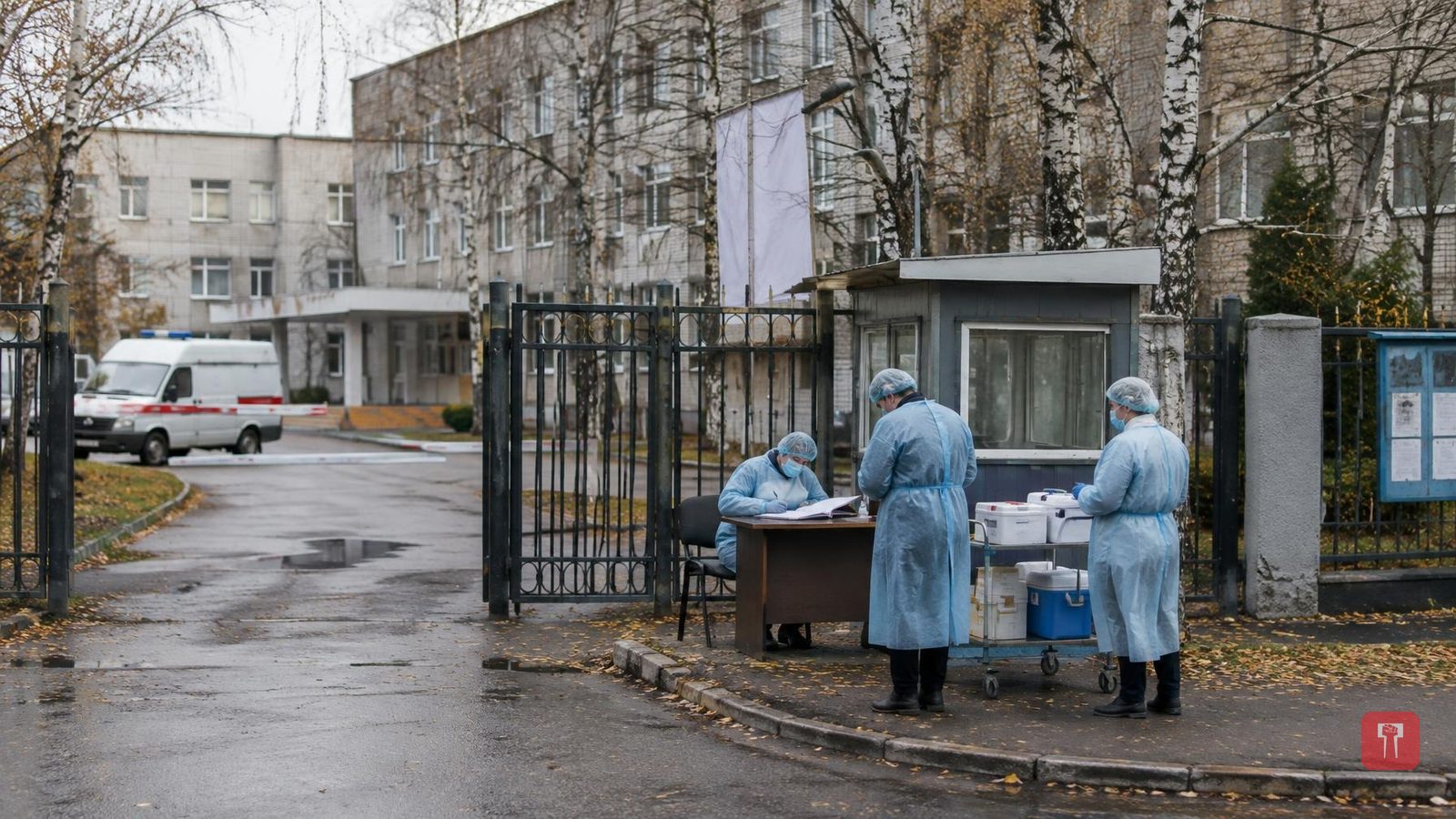 Images are not validated/verified
A suspected case of pneumonic plague from Russia's Siberia region has drawn global attention, with memories of the Covid pandemic still fresh. A woman employee of the Anti-Plague Research Institute in Irkutsk died after severe pneumonia, prompting talk that plague may have caused her death. Russia's health authorities, however, have not confirmed plague so far.
According to officials, tests on people who had been in contact with the woman did not find the plague pathogen. Russia's public health agency has said the woman had pneumonia of unknown cause, and the plague pathogen linked to her work was also not found. It would therefore not be right to say at this stage that there has been an outbreak of pneumonic plague in Russia.
The woman was admitted to hospital with severe pneumonia and died afterwards. Some reports suspected that she had been exposed to live plague bacteria. One report spoke of a lab test tube breaking, while another said she had travelled on work to an area where plague occurs naturally. Neither claim has been officially proved. As a precaution, about 200 people were placed under medical observation. Contacts were tested and no evidence of plague infection has been found so far. There are reports that some contacts tested positive for COVID-19 and rhinovirus. There are also reports that a large number of those kept under observation were later released.
Plague is an infectious disease caused by the bacterium Yersinia pestis. The bacterium is found mainly in small animals and their fleas. There are several forms of plague, and pneumonic plague is considered the most severe because it affects the lungs. Bubonic plague usually spreads through the bite of an infected flea, whereas in pneumonic plague the bacteria reach the lungs. This form can pass from one person to another through respiratory droplets released when an infected person coughs or sneezes.
Symptoms of this form can include fever, headache, weakness, cough, chest pain and difficulty breathing. Some patients may also cough up blood or watery sputum. It is considered serious because it can worsen rapidly if untreated. This does not mean every suspected patient dies. Modern antibiotics are available, so patients have a good chance of recovery if the disease is identified and treated in time.
The place where the case emerged is itself an anti-plague research centre. Talk of a lab-linked infection and a death from severe pneumonia recalled the early days of Covid. The WHO and public health experts have clarified, however, that there is at present no reason to link this with the COVID-19 pandemic. The coronavirus spread from person to person on a large scale and over a long period, whereas in the Russian case plague itself has not been confirmed and no large-scale infection has been found among contacts.
Russian officials have taken steps including contact tracing, medical observation, laboratory tests and containment measures. They have appealed to people not to trust rumours and unsubstantiated social media claims, and to rely on official information.
The WHO is monitoring the matter closely. It has sought more information from Russia, including the exact cause of the acute pneumonia, the pathogen involved, and clarification on reports that a second laboratory employee had pneumonia of unknown cause. According to the WHO, the risk outside Russia in the present circumstances is "very low". The US Centers for Disease Control and Prevention (CDC) is also watching the case, and the American side has said there are no signs of a wider threat for now. President Donald Trump has said he will speak to Russian President Vladimir Putin on the subject, while Secretary of State Marco Rubio has appealed to Russia to provide more transparent information.
On the information available about India, there is no cause for panic and no sign of any major threat to the country for now. Indian experts have also said that not every fever or respiratory illness needs to be treated as plague merely because of the suspected case in Russia. However, if the Russian case is later proved to be plague, and large-scale human-to-human transmission, patients in several countries or a changed pathogen is found, the situation will have to be reassessed.
Will there be another lockdown? In the present circumstances, nothing suggests a COVID-19-style lockdown anywhere in the world. One suspected death, and the absence of confirmed plague among contacts, cannot be regarded as the start of a global pandemic. Even so, the incident cannot be ignored. What remains to be seen is the final outcome of the Russian investigation, the real cause of the woman's death, how the contacts fare, and whether new patients are found. The WHO's "very low" assessment of the international risk also rests on current evidence, and the assessment of health agencies could change if the situation changes.
