

Russia to arm Tajik border force on Afghan frontier as Moscow hosts Afghanistan talks
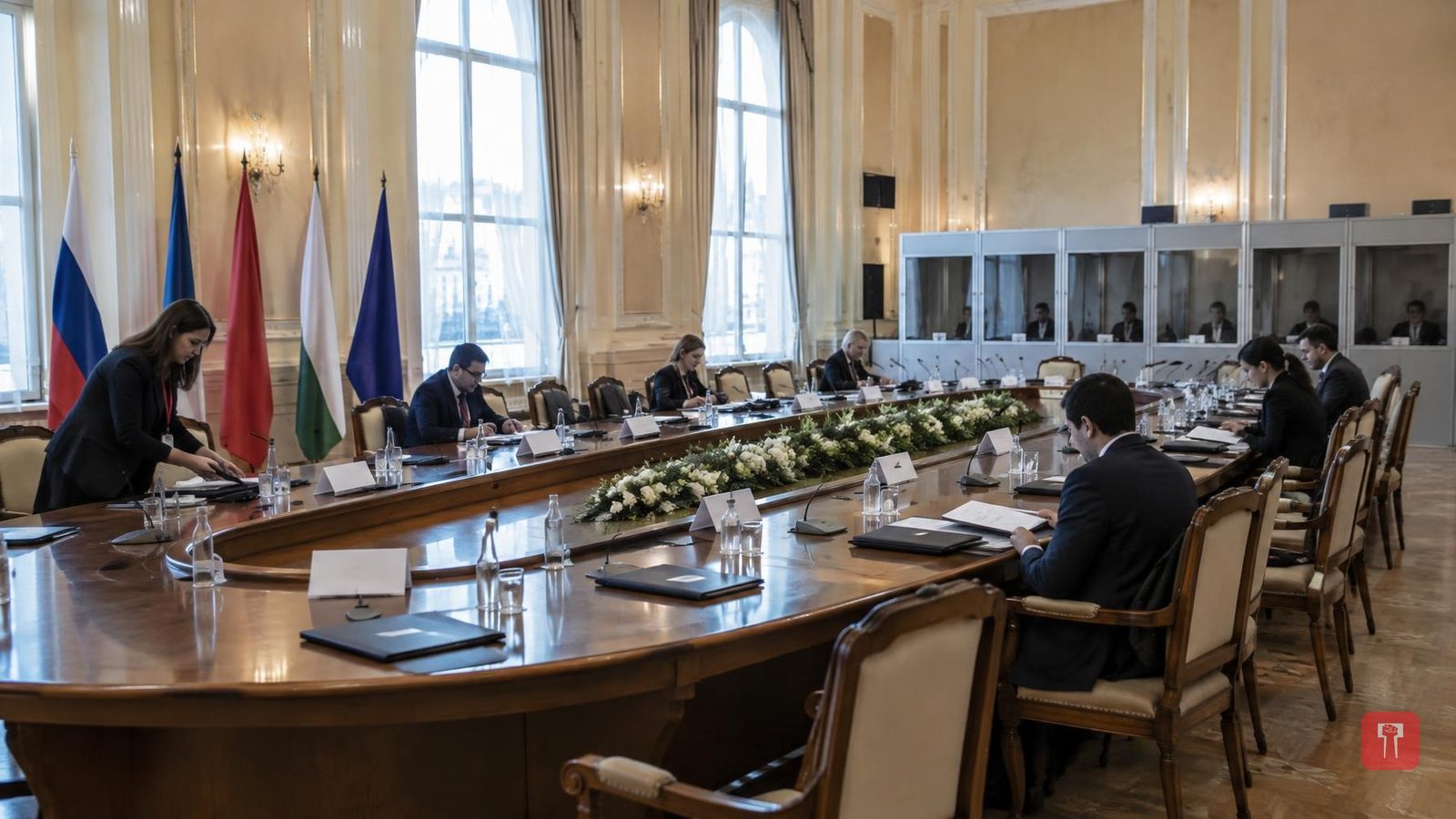
Russia will give Tajikistan's border force modern weapons and equipment, even as the eighth Moscow Format consultations on Afghanistan are held in Moscow today.
Amid growing security concerns and political tension in Central Asia, Russia has begun strengthening security along the 1,300-km sensitive border between Tajikistan and Afghanistan. Keeping in mind possible movement of armed groups from Afghan territory and infiltration across the border, the Russian administration has decided to give the Tajik border force modern weapons, technical equipment and military assistance.
Alexander Sternik, director of the CIS affairs department of the Russian Foreign Ministry, gave the information. He said Moscow is watching developments on the Tajik-Afghan border very closely and that Russia stands firmly behind Tajikistan to keep Central Asia stable.
The assistance is not limited to an agreement between the two countries. It is a core part of the five-year programme of the Collective Security Treaty Organisation (CSTO). The special programme, approved in 2024, focuses on raising the capacity of the Tajik border security force, installing modern surveillance systems and improving logistics. The assistance was speeded up after firing and infiltration incidents on the border in August. Under the CSTO plan, the first major consignment of military equipment is expected to reach the border in winter 2026. Russia is playing a central role in all of this supply.
Russia has its 201st Military Base in Tajikistan, which is considered the mainstay of Moscow's military presence in Central Asia. Keeping the Tajik-Afghan border secure through this base has been a major priority of Russia's regional security policy. To prevent instability in Afghanistan or the influence of terrorist organisations from spreading to the Central Asian republics, Russian forces have coordinated directly with Tajik border security agencies.
While military preparations on the border increase, diplomatic discussions have also gathered pace. The eighth meeting of the Moscow Format consultations on Afghanistan is being held in Moscow today, October 5. Afghanistan, Russia, China, India, Iran, Pakistan, Kazakhstan, Kyrgyzstan, Tajikistan and Uzbekistan are taking part. Belarus and Egypt will attend as guests. Russian Foreign Minister Sergey Lavrov will open the meeting. Afghan Foreign Minister Amir Khan Muttaqi will also hold a separate meeting with Lavrov on bilateral cooperation. After Russia recognised the Taliban government in 2025, Muttaqi is now attending the meeting as a full participant.
The meeting is likely to discuss regional security, political and economic ties with Afghanistan, regional coordination against terrorism and joint efforts to curb drug trafficking. A joint statement is expected at the end of the meeting.
The Moscow Format began in 2017. Meetings followed in Moscow in November 2022, in Kazan in September 2023 and in Moscow again in October 2024. At the seventh meeting in October 2025, Russia formally recognised the Islamic Emirate, and Kabul's foreign minister attended as a full participant.
Tension between Afghanistan and Pakistan is currently at its sharpest. Islamabad claims that militants of Tehreek-e-Taliban Pakistan (TTP) were killed in the latest attacks in Paktika, Kunar and Helmand. The Taliban's Emirate administration rejects the claim and says many civilians, including women and children, were killed. The United Nations mission UNAMA has assessed that at least ten civilians died and many were injured in the latest attack. UNAMA has also noted that more than 1,100 civilians have been killed or injured on the Afghan side this year in air and ground attacks.
Russia's moves send a clear message that Moscow is making every effort to keep Afghanistan's internal crisis from spreading to Central Asia. Securing Tajikistan's border is no longer only Dushanbe's internal matter but has become an existential issue for Russia-led security alliances. International analysts say Russia's growing military, technical and diplomatic presence on the Afghan border is part of keeping its strategic grip on Central Asia firm.
