

Questions raised after sudden death of researcher at Siberia's anti-plague institute
The suspicious, sudden death of researcher Darya Shipilova at a leading Siberian anti-plague institute has raised questions about why Russia still researches plague.
The mere mention of plague, the "Black Death", sends a shiver through people. In the 14th century the disease killed a third of the world's population. Advances in science brought it under control, and today it is regarded as a dark chapter of history.
But news from Russia's Siberia region has stunned scientists and researchers around the world. Darya Shipilova, a woman researcher at a leading anti-plague research institute in Siberia, has died suddenly in suspicious circumstances, and surprise is being expressed on all sides.
The question being asked is why research on plague continues in Russia's secretive and highly sensitive institutions when the disease has almost disappeared from the world. Siberia is known for its severe cold and remote terrain. In winter, temperatures there fall from 0 to minus 50 degrees Celsius. People are asking what Russia is hiding in such a snow-covered, desolate setting. This is not just the death of one researcher but also a warning to medical experts worldwide about how dangerous the interplay between nature and the laboratory can be.
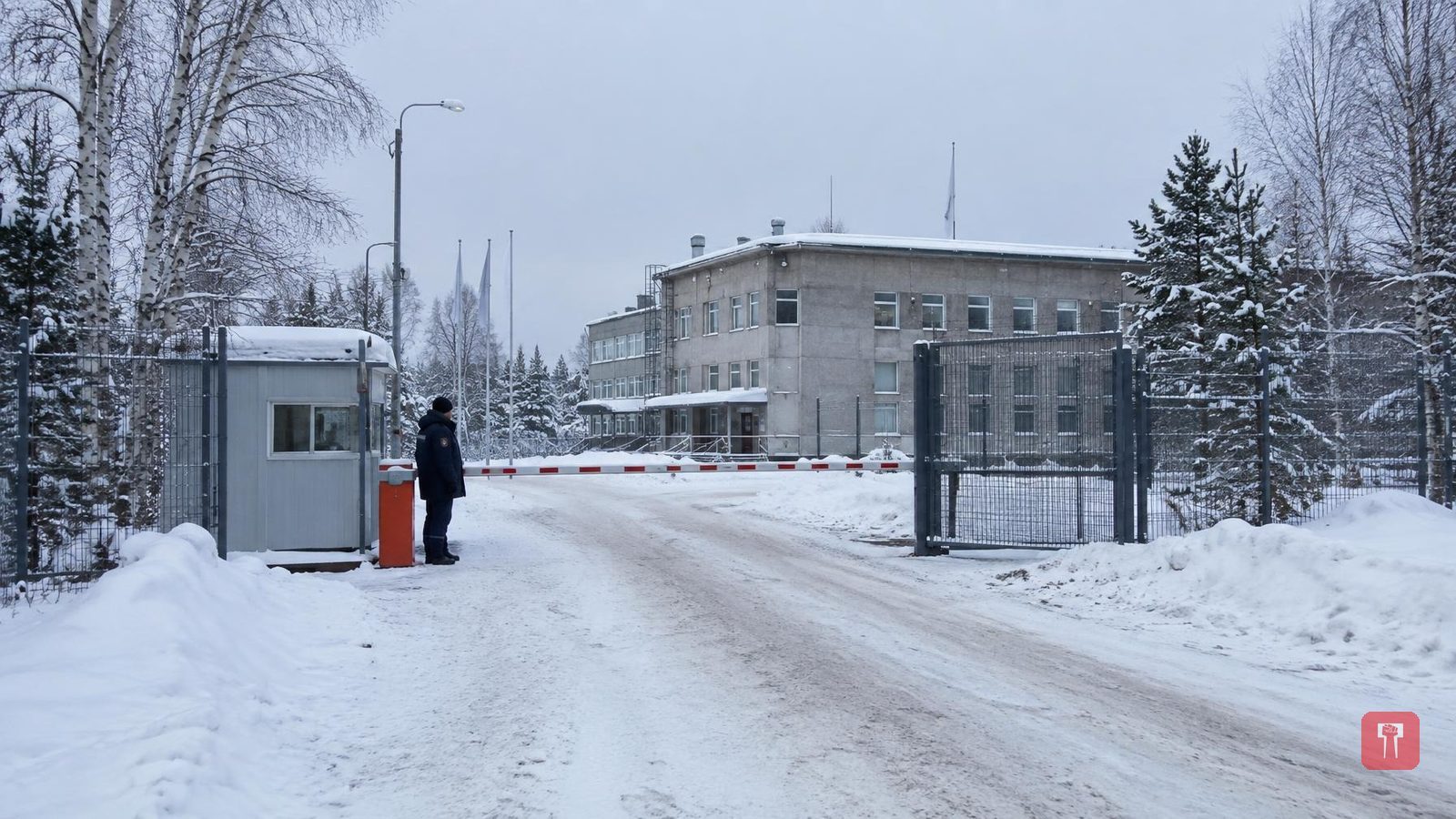
The mention of Siberia brings to mind a white sheet of snow and bone-chilling cold. Temperatures here are often below zero. In this cold and desolate region, Russia has built a highly secret, high-security research institute where research is done on the world's most dangerous and deadly diseases. The institute is called the "Anti-Plague Institute". This part of Russia is so isolated that even if a dangerous virus or bacterium leaked here, it could not immediately reach the general population. Since the Soviet-era wartime, Siberia has been considered a centre of biological research.
The bacteria that spread plague can change over time. For this reason, even though modern medical science has brought the disease under control, Russia is researching it. Russia wants to keep its preparedness strong to deal with the race for biological weapons and the threat of unknown epidemics in future.
Because of global warming, the frozen ice in Siberia is melting. Scientists believe old bacteria and viruses buried under this ice for centuries could come back to life. Russian scientists are therefore trying to understand what effect an ancient plague or a new mutant virus would have on the human body if it returned to the environment. It was against this background that research was under way in the Siberian laboratory, which has now fallen victim to an accident or negligence.
