

Pakistan's poverty rate up 6.4 per cent in six years, accounts for nearly half of MENAP's extreme poor
A report says Pakistan holds about 48 per cent of the MENAP region's people living on under $3 a day, as Covid-19, floods and an economic crisis took a toll.
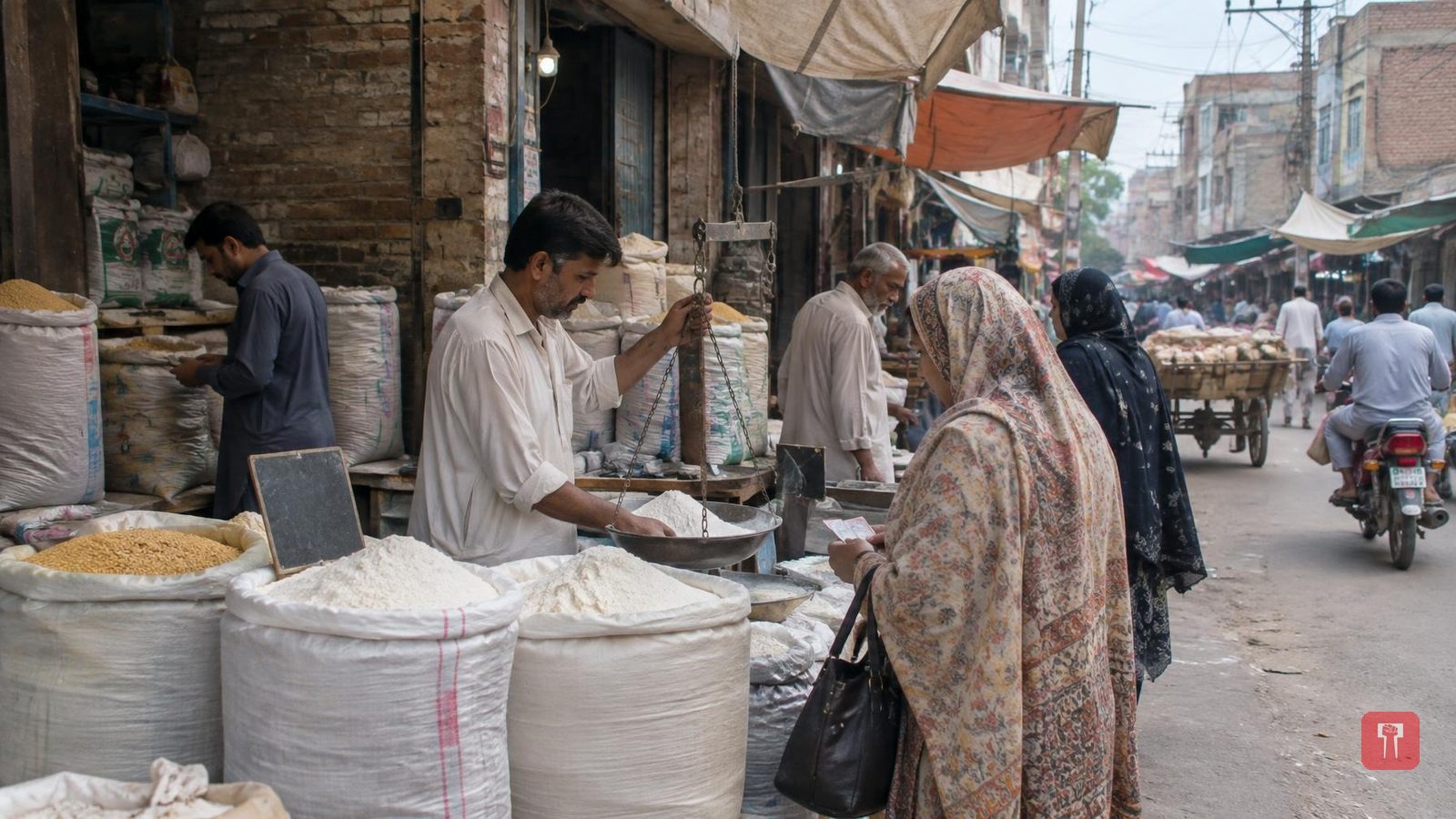 Images are not validated/verified
Poverty in Pakistan is worsening by the day. A report says the poverty rate at the $3-a-day benchmark rose by 6.4 per cent over the six years from 2018-19 to 2024-25. According to the report, the Covid-19 pandemic, the devastating floods of 2022 and a wider economic crisis have hit the country's people hard.
The report says Pakistan accounts for nearly half of the extremely poor population of the Middle East, North Africa, Afghanistan and Pakistan (MENAP) region. It describes MENAP as the only region in the world where the share of people in poverty has kept rising compared with pre-pandemic levels.
About 48 per cent of the people in the region who live on less than $3 a day are in Pakistan. Afghanistan, Syria and Yemen together account for about 47 per cent. The latest estimates show that in Djibouti, Pakistan, Syria and Yemen, the share of the population living below the $3-a-day line is about 20 per cent or more.
According to 2024 figures, 14.3 per cent of the MENAP region's population was living on less than $3 a day, against 10.4 per cent worldwide. Similarly, the share of people living on less than $4.20 a day was 26.9 per cent in the region, against 18.9 per cent globally.
The report projects a gradual improvement in Pakistan's economy. GDP growth for the 2024-25 financial year is estimated at 3.2 per cent, and is expected to reach 3.7 per cent in 2025-26 and 3.8 per cent in 2026-27. The services sector is expected to play a key part in the growth.
For the 2025-26 financial year, Pakistan's current account deficit is projected at 0.1 per cent of GDP and its fiscal deficit at 2.6 per cent.
Along with poverty, food security has also become a serious concern in the region. The report says food crisis levels are highest in Yemen, along with the West Bank and Gaza. Food security remains under pressure in Afghanistan, Djibouti, Lebanon and Pakistan as well.
The report also says a stronger-than-normal El Nino is likely to develop by the end of 2026, which could push up grain prices. This raises the risk of further hardship for the poor and vulnerable. According to the report, the combined effect of the pandemic, natural disasters and economic crises has deepened poverty in the region, and Pakistan's rising poverty rate shows the scale of the crisis.
