

Navratri: Actor Abhidnya Bhave says stree shakti means equal respect, not just worship of the goddess
The actor, who plays Kaushiki in the serial Tarini, says women's strength lies in being treated as equals and living life on their own terms.
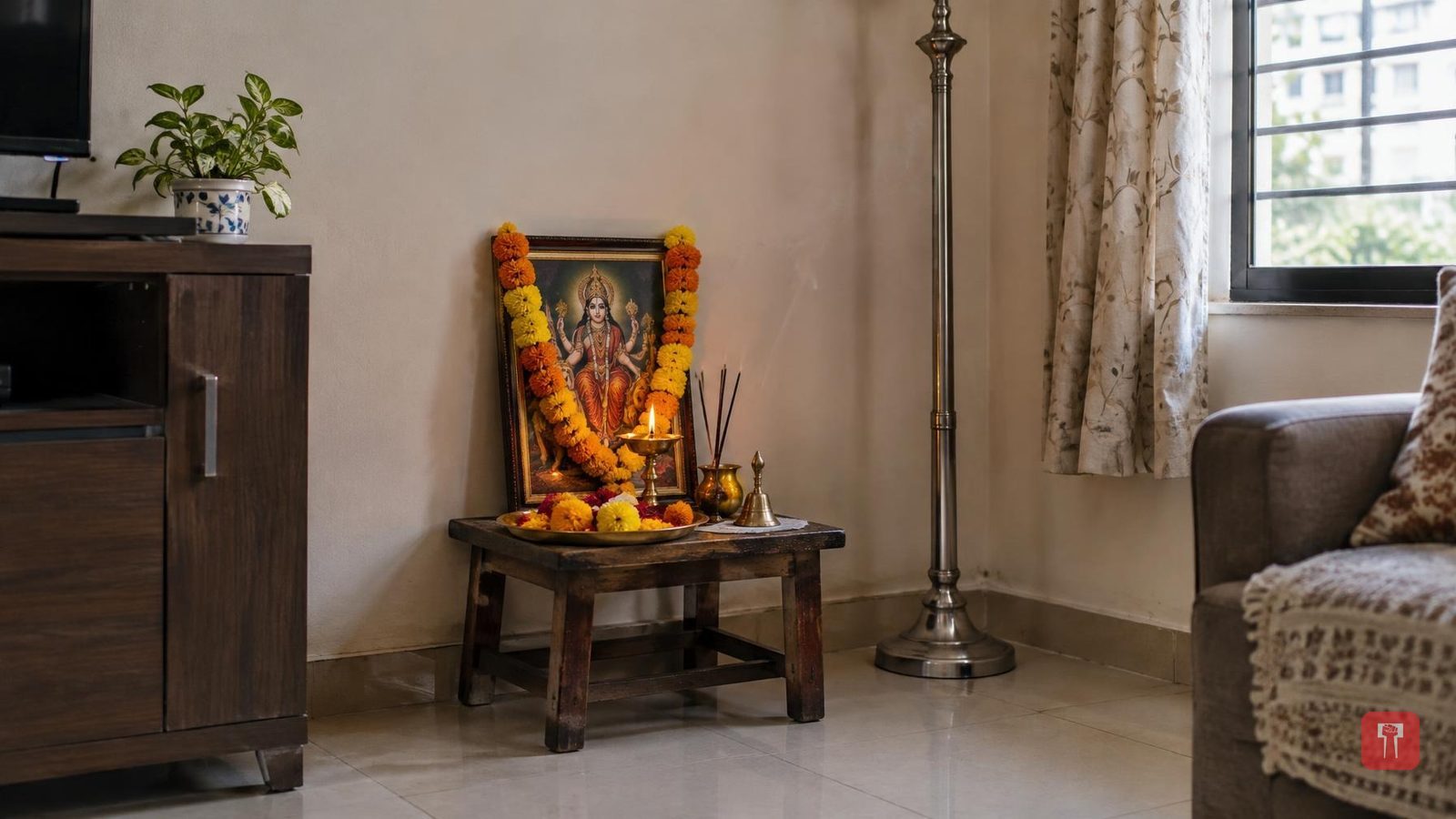 Images are not validated/verified
Navratri is regarded as the awakening of Adishakti, a tribute to womanhood and a celebration of women's strength. Over these nine days, the goddess is worshipped in her different forms. Actor Abhidnya Bhave, who plays Kaushiki in the serial Tarini, says the true meaning of stree shakti, or women's power, is not limited to worshipping the goddess. It also includes treating women as equals, respecting their views and giving them the freedom to live as they wish.
In Tarini, Kaushiki is the fearless and spirited owner of a media house. She runs her own news channel and carves out a distinct identity through her work and decisions. Speaking through this character, Bhave shared her views on stree shakti, the place of women in society and the importance of women understanding one another.
Explaining what stree shakti means, Bhave said, "For me, stree shakti is when men truly respect women and try to understand their strength. Stree shakti is not something only women need to understand. Men too should cherish it. It does not mean that we women have to show our power; all we are saying is, consider us equal too, and let us live our lives the way we want to."
She added that instead of seeing stree shakti as rebellion, society should try to understand it. In her view, respecting women and accepting their freedom is the real part of worshipping the goddess.
Bhave also spoke about the importance of women supporting one another. Women face many challenges in society, and she believes it is essential for them to stand by each other.
"I think the biggest need today is for one woman to understand another. The whole society is against us, and if we too get divided within it, living will become harder for us alone. So we should at least try to understand one another," Bhave said.
When a woman lives outside the prescribed boundaries, she is often viewed negatively. Bhave said this thinking needs to change. Whether at home, in business, in education or in any other area of society, every woman needs the support of other women.
Bhave feels that stree shakti is not confined to a particular day or festival; it is felt in everyday life. A woman often has to weigh many things before taking any decision. From her own safety to society's expectations, she lives her life contending with many challenges.
"'Devi shakti' or 'stree shakti' is experienced every moment. In today's world, I feel women face more challenges than men when taking any decision. A woman has to live carefully, holding back, thinking very deeply and weighing everything. Yet she lives, we live, and that is stree shakti for me," Bhave said.
She also said that moving ahead and seeking happiness in life despite fear and many kinds of thoughts is a beautiful example of stree shakti.
Speaking of Navratri traditions, Bhave described the simple celebration at her home. There is no big celebration at her house during Navratri. She visits the goddess, sees the tableaux of the goddess and worships the goddess at home. This is how she marks the festival.
"Actually, there is no special celebration of Navratri at our home. We go to see the goddess and look at the tableaux of the goddess, that is all. I am not very interested in playing garba. So for me, Navratri is limited to a quiet, simple and easy worship of the goddess at home. But this festival gives me joy," Bhave said.
