

Nagpur reservoirs at 58%; NMC proposes fines up to Rs 5,000 for wasting drinking water
With deficient rain cutting reservoir stocks to 58 per cent, the civic body plans fines, a drive against illegal taps, revival of public wells and quicker leak repairs.
 Images are not validated/verified
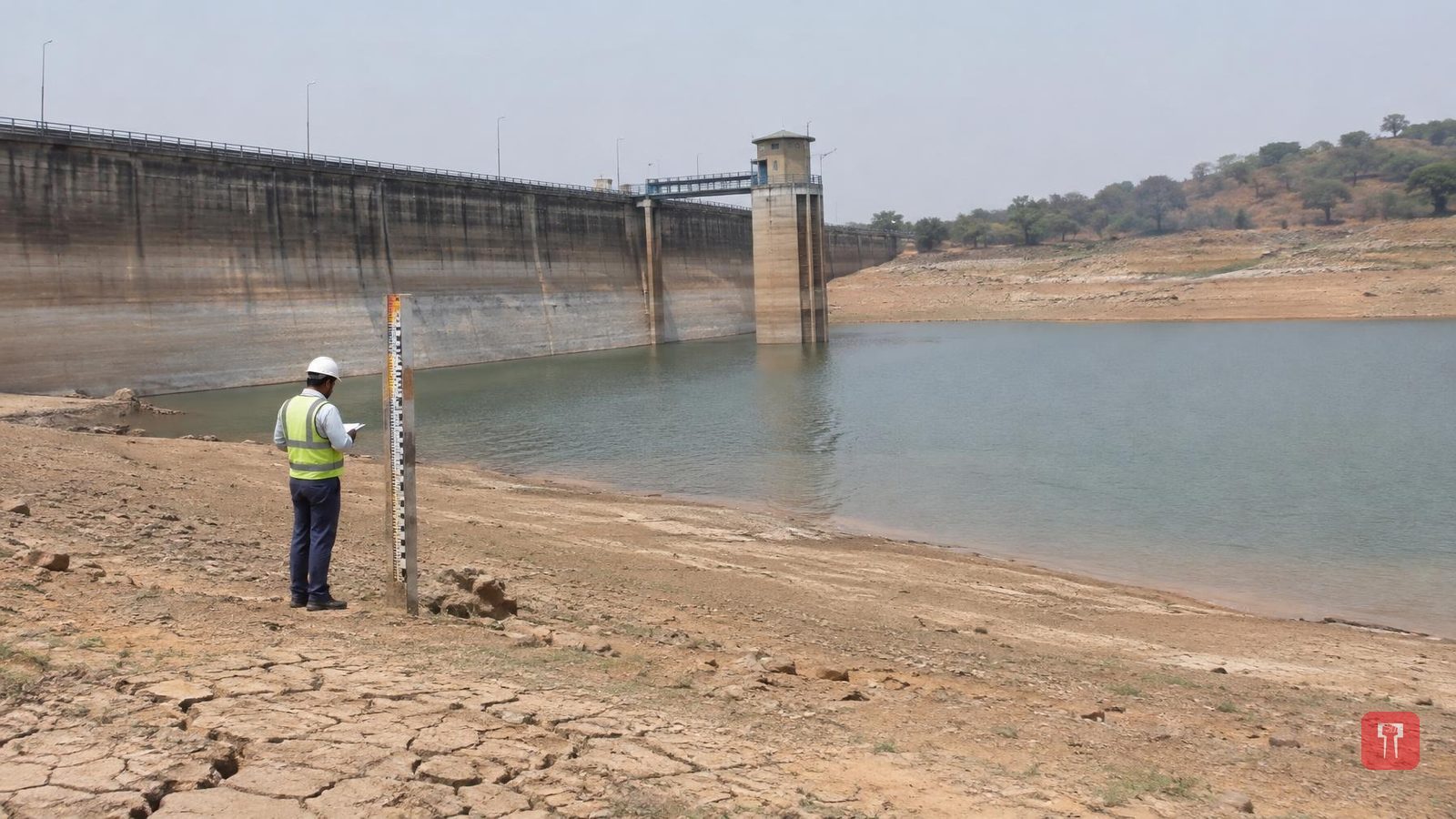
Rainfall has been lower than usual in Nagpur district this year, and the effect is showing in the reservoirs that supply the city. Water stock in these reservoirs has fallen to just 58 per cent. To head off a shortage in the coming days, the municipal corporation has prepared to start several measures now.
On Monday, Mayor Nita Thakre held a meeting with officials of the corporation's water supply department and Orange City Water to review the supply arrangements and the water left in the reservoirs. The Mayor appealed to residents to take the possible shortage seriously and use the available water carefully. She directed officials to take effective steps to ease pressure on water sources and stop wastage.
The biggest proposal at the meeting was a fine for misuse of drinking water. It is suggested that anyone found washing a car, cleaning a road, watering a garden or using drinking water for construction work be fined up to Rs 5,000 in each case. The aim is to make people aware of the limited stock and to restrict drinking water to essential uses. The fine is still at the proposal stage; further action to enforce it will follow the relevant rules, orders and procedure.
A special drive will also be run against those drawing water through illegal tap connections. It has been decided not to go soft on this action even though it is the festival season. However, people will be given a chance to regularise their connections before action is taken. It is proposed to set up special camps at the corporation's zonal offices immediately for this. After the camps, action against illegal connections will be stepped up.
Water meters will be installed on such connections so that consumption can be tracked. The meeting also proposed that a case be registered with the police against any consumer whose meter is found tampered with or removed. The corporation believes that curbing illegal connections and meter tampering will give a clearer picture of consumption and improve distribution.
To reduce dependence on the reservoirs, a plan is being drawn up to bring the city's public wells back into use. The wells will be cleaned and their water tested in a laboratory first. If the water is found usable and the necessary arrangements are complete, it is proposed to install solar pumps on these wells with the help of the Maharashtra Energy Development Agency (MEDA). This would allow small-scale water supply schemes to be started.
The corporation will also focus on better use and recharge of groundwater. Under the guidance of the Groundwater Surveys and Development Agency, measures will be taken to improve the usefulness of dried-up public wells, bore them as needed and restart defunct borewells. There is also a plan to build as many rainwater harvesting structures as possible.
The meeting also stressed water loss from pipelines. The Mayor told officials that a leak should be repaired as soon as it is reported. Appeals to people to save water are not enough, she said; losses in the distribution system must also be stopped.
Deputy Mayor Leela Hathibed, Standing Committee Chairperson Shivani Dani Wakhare, ruling party leader Narendra (Balya) Borkar, Water Supply Committee Chairperson Divya Dhurde, Additional Commissioners Murugananthan M. and Milind Meshram, Superintending Engineer Dr Shweta Banerjee, Executive Engineer Shrikant Waikar and OCW officials were present.
