

Mangaon wildlife researcher Shantanu Kuvesakar named honorary wildlife warden of Raigad
The Maharashtra Forest Department has appointed the nature photographer and documentary maker, long engaged in conservation in the district, to the post.
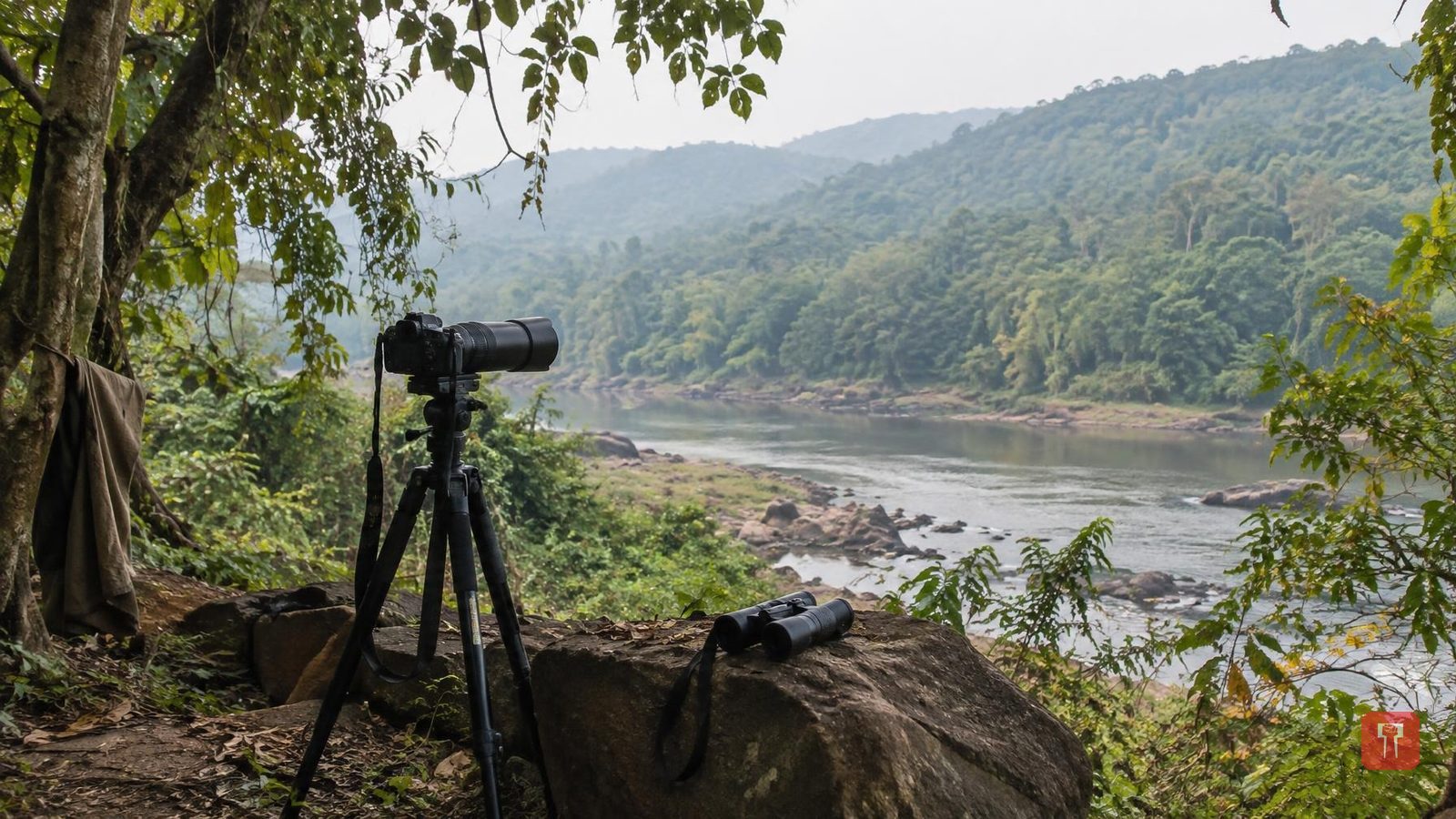 Images are not validated/verified
Shantanu Kuvesakar, a wildlife researcher, nature photographer and documentary maker from Mangaon, has been appointed honorary wildlife warden of Raigad district. The appointment was made by the Forest Department of the Maharashtra government. For many years, Kuvesakar has worked consistently to protect Raigad's biodiversity, safeguard wildlife and promote conservation of the environment.
The appointment gives official recognition to his long-standing work in wildlife study, public awareness, wildlife rescue and nature conservation, and also brings a new official responsibility. He has continuously studied the biodiversity of the forests, hill areas, rivers, creek areas, coastline and villages of the whole of Raigad district, including Mangaon. Over the years he has recorded many species of wildlife and birds in the district.
Kuvesakar's photography and research have played an important part in bringing Raigad's birdlife and biodiversity to the notice of Maharashtra, the country and the world. He has been associated with environmental work since his school days. He has worked to build awareness of nature and wildlife conservation among young people and rural communities in Raigad.
Through nature photography, birdwatching, nature trails, tourism, documentaries and writing, he has presented Raigad's biodiversity to the world. He is also always active in various wildlife rescue incidents in Mangaon taluka. He has worked with the Forest Department and local people in rescuing species that receive the highest protection under wildlife law, such as crocodiles, pythons, mouse deer, pangolins and jungle cats, as well as many bird species.
Observing and documenting wildlife found in different habitats, from the coastal areas of Raigad to the foothills of the Sahyadris, is a major part of Kuvesakar's work. He has been studying the behaviour of otters in the Kal river area for more than ten years. He has also been carrying out an in-depth study of the breeding season of the great hornbill in Raigad district for the past 15 years.
Kuvesakar was the first to record in different parts of the district the Himalayan griffon vultures that migrate to Raigad in winter, as well as several species of owls, raptors, migratory birds, snakes, butterflies and insects.
Wildlife photography is another important part of his work. His pictures show the birds, mammals, reptiles and insects of Raigad's forests and the various habitats. Apart from e-photo exhibitions, articles by him on birds and nature conservation have been published in Raigad's newspapers along with hundreds of his photographs.
Shantanu Kuvesakar always says that social media and digital platforms have today become effective forums for wildlife conservation. Conveying information about local biodiversity accurately to ordinary people through them and building a love of nature is the need of the hour, he says.
Kuvesakar is known as one of the pioneers of nature tourism in Raigad district. By running commercial nature trails and wildlife and birdwatching safaris in the district, and drawing many tourists to Raigad not only from across the country but also from abroad, he has helped explain the importance of its natural wealth.
He has also shown that the nature tourism business can itself promote wildlife conservation and protect habitats. He also regularly organises birdwatching and photography events for enthusiasts at various places in the district.
