

81% of world's energy still comes from fossil fuels as Iran war raises supply worries
Despite the push for clean energy, oil, coal and natural gas meet 81 per cent of global energy demand, and the conflict over Iran has raised concerns about fuel supply.
 Images are not validated/verified
Despite efforts across the world to increase the use of clean and green energy, oil, coal and natural gas still meet as much as 81 per cent of global energy demand. This shows that the world's energy system continues to rely heavily on conventional fuels.
The US-Israel conflict against Iran has raised fears of an impact on fuel supply. The war has not only changed the political and military situation in West Asia, but has also raised serious questions about global energy security.
The use of options such as solar, wind and hydropower is growing in the energy sector. Even so, a large part of the global economy still depends on oil, coal and natural gas. These fuels are used heavily in transport, industry, power generation and manufacturing. Even a slight disruption in their supply is therefore felt by many countries.
From developed nations to developing economies, many countries have to depend on the international market for their energy needs. As a result, fluctuations in fuel prices directly affect inflation and production costs.
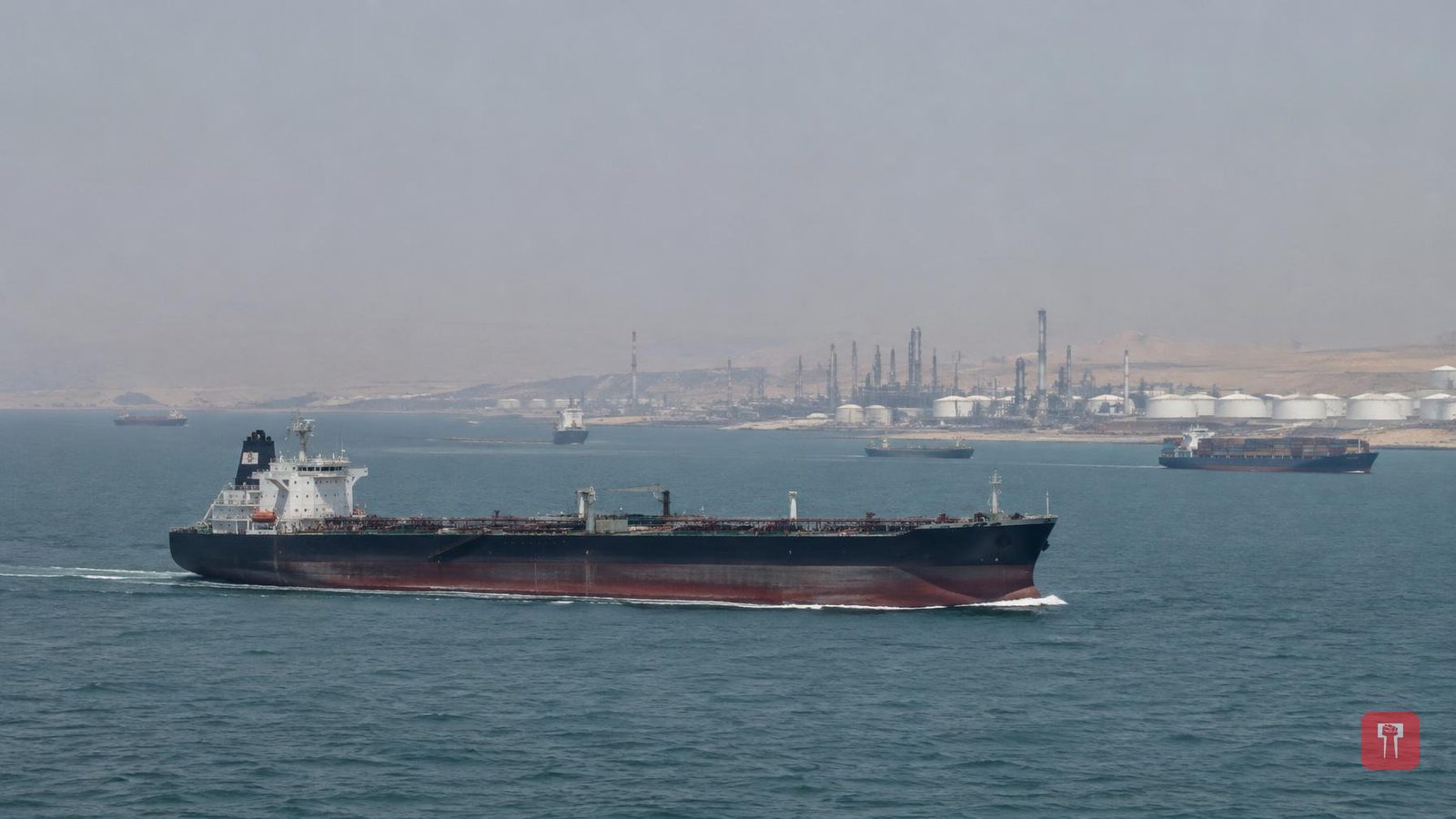
The conflict involving the US and Israel against Iran has increased uncertainty over energy supplies from West Asia. The region is considered extremely important for the world's oil and natural gas supply. The Strait of Hormuz, in particular, is a key sea route for the global transport of oil.
If movement along this route is disrupted, there is a fear that oil supply in the international market will fall. This could affect crude oil prices, fuel transport and the economies of different countries. The fear and uncertainty generated by the war could also add to volatility in the energy market.
The current conflict has made one thing clear: an energy system that depends only on fossil fuels can prove vulnerable in any major global crisis. Countries therefore need to diversify their energy sources and increase domestic energy production.
Increasing investment in renewable sources such as solar and wind power, developing energy storage technology and using fuel efficiently will be important. But expanding these options on a large scale requires heavy investment, modern infrastructure and long-term planning. The journey to reduce dependence on fossil fuels will therefore not be easy. The Iran conflict has once again shown the world the importance of energy security.
